For homes
We work in occupied homes every day and keep the attic mess out of your living space. You get readings, photos and a plain explanation before we change anything.
- Frost on roof nails
- Musty upstairs smell
- Damp sheathing readings
Attic Moisture Control Littleton CO is the work of finding where water vapor is collecting in your attic and shutting it down before it turns into frost, damp sheathing or black mold. We measure humidity, trace the air leaks, and fix the ventilation so your roof deck stays dry through Colorado winters. If you have seen frost on the trusses or smelled something musty upstairs, call us.
 Humidity readingsAir leak sealingVentilation check
Every visit includes the diagnostic work, the source corrections and the verification readings. If the attic needs powered ventilation or a dehumidifier, we quote that separately once we have the numbers, so you are never paying for equipment you do not need.

Hygrometer readings at three heights, moisture meter readings on sheathing and trusses, and thermal imaging of every cold surface. You get the numbers and the photos, not just a verbal summary.
Bath fans, dryer ducts, can lights, the attic hatch and open chases get sealed with foam, caulk and rigid covers. This is the step that stops the moisture at the source.
Blocked soffit vents cleared, baffles installed where insulation has buried them, and exhaust vents rebalanced. We size the airflow to your attic volume, not to a rule of thumb.
Concrobium or Benefect fogged onto any surface showing early microbial growth. We treat after the moisture path is corrected so the product holds.
Humidity re-read at the same three points, with after photos from the same angles. You get the before-and-after set in writing before we pack up.
A plain-language rundown of what we found, what we changed, and what to watch next season. Useful for your records and for any future real estate transaction.
The approach is the same for a home and a business. What changes is the access, the schedule and who needs the paperwork.
We work in occupied homes every day and keep the attic mess out of your living space. You get readings, photos and a plain explanation before we change anything.
We schedule around tenants and document everything for owners and managers. Reports include readings, photos and a clear scope of what was corrected.
A plain-language look at what Attic Moisture Control involves and when it is needed.
See how it worksAttic Moisture Control Littleton CO is a diagnostic and repair service that measures the humidity inside your attic, finds where that moisture is coming from, and corrects it at the source. We start with a hygrometer and a moisture meter reading at the sheathing, the trusses and the insulation top plate. Then we check bath fans, dryer vents, can lights and the attic hatch for air leaks pushing warm, wet household air into a cold space. Most Littleton attics we open sit between 55 and 75 percent relative humidity in winter when they should be under 45.
Arapahoe County homes built before 1990 usually have the same problem: bath fans that dump into the attic instead of outside, and soffit vents blocked by blown-in insulation. That trapped air hits a 20-degree roof deck and condenses. If you have been searching for attic moisture control near me Littleton, the fix is almost never a bigger vent alone. It is sealing the leaks first, then balancing intake and exhaust so the attic can actually breathe. We do both in one visit.
Attic moisture control is about finding where water vapor collects and correcting it at the source.

Every job follows the same five steps. You get a walkthrough, a written read on what we found, and a clear explanation of what we are changing before anyone picks up a tool.
We suit up, lay down drop cloths and walk the whole attic with a moisture meter and a thermal imaging camera. You get photos of every wet spot, every blocked soffit vent and every fan that terminates in the wrong place. This takes about 30 to 45 minutes on a typical Littleton ranch or two-story.
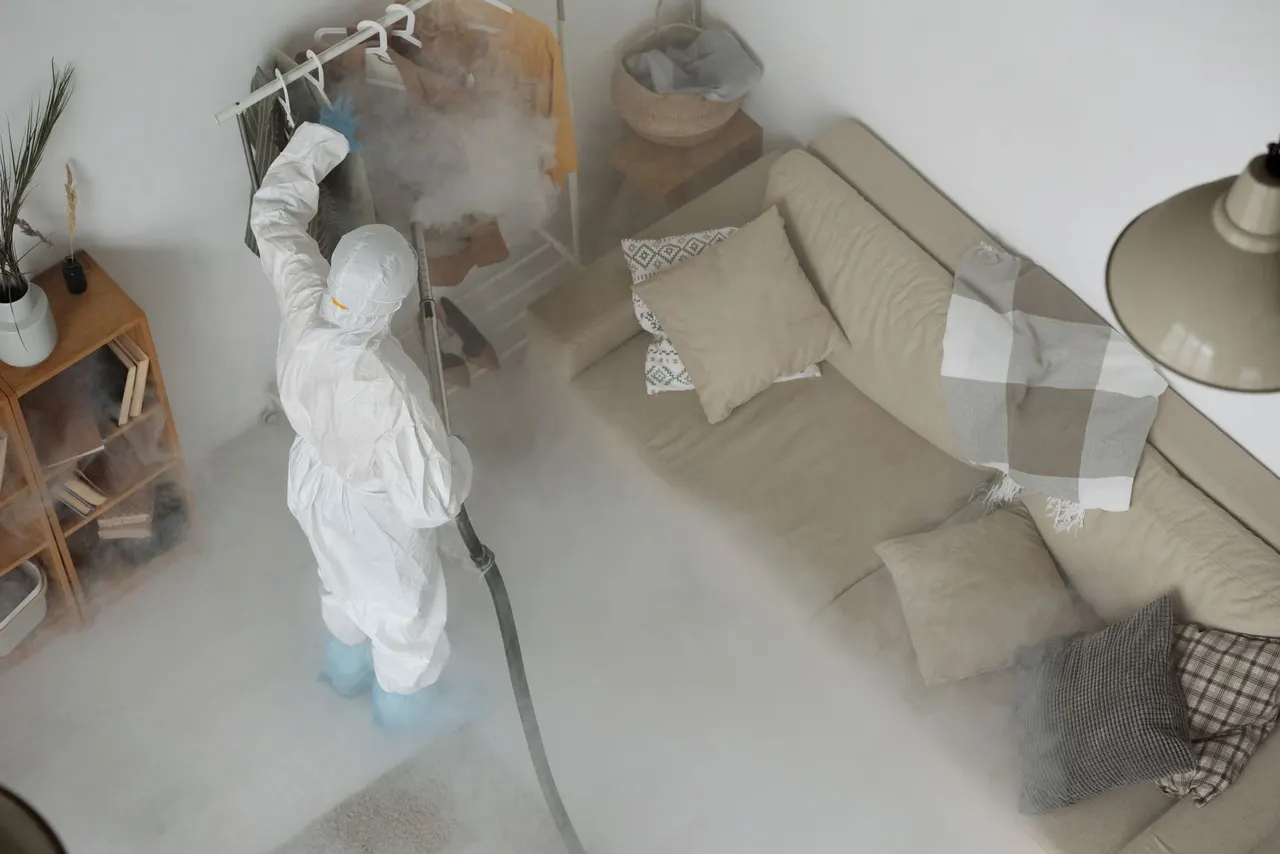
We log relative humidity at three heights: near the hatch, mid-attic and at the roof deck. We also check the outdoor reading for comparison. Those numbers tell us whether you have an air-leak problem, a ventilation problem, or both, and they set the target we work toward.

Bath fans, dryer ducts, can lights, the attic hatch and any open chases get sealed with foam, caulk and rigid covers. This is the step most companies skip, and it is the one that actually stops the moisture. We use a fogger with Concrobium on any surface showing early microbial growth.
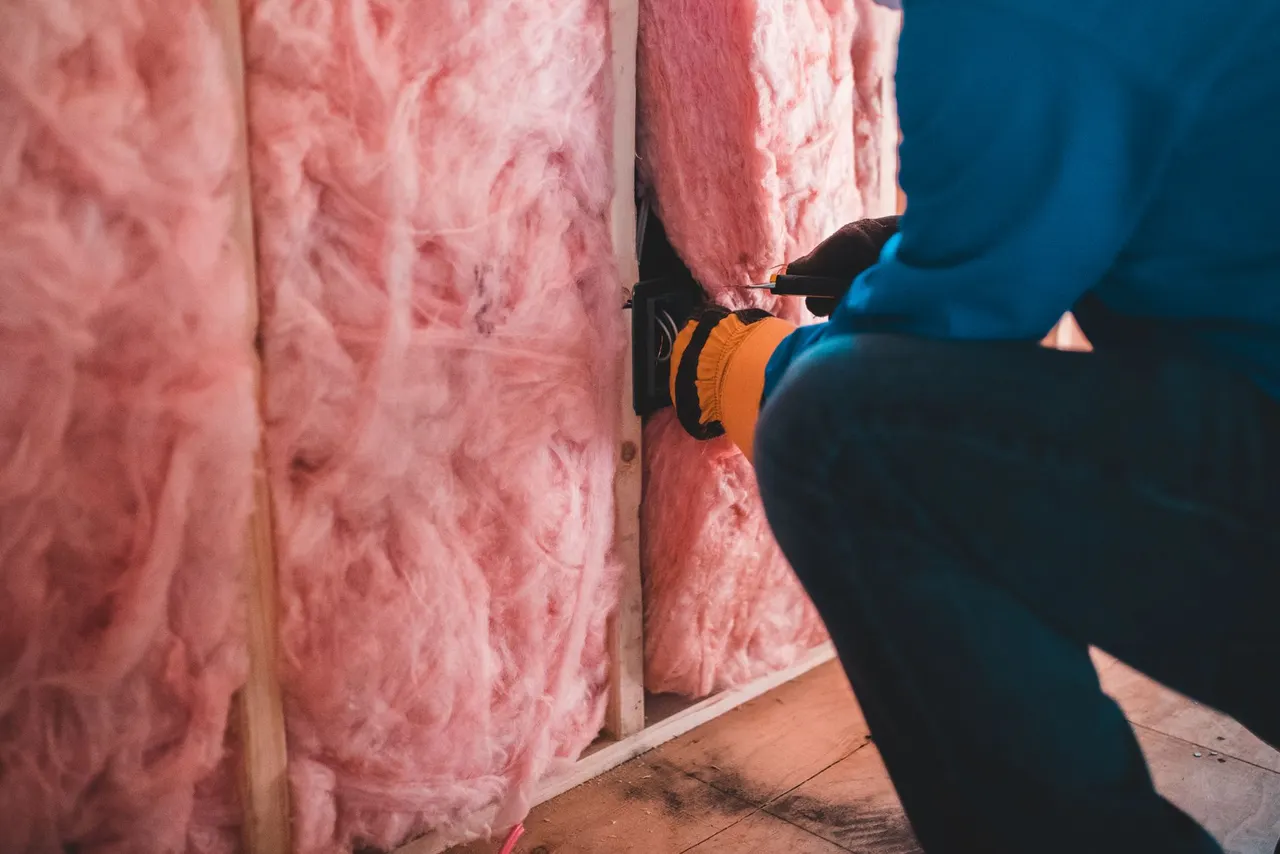
We clear blocked soffit vents, add baffles where insulation has buried them, and install or rebalance exhaust vents so air moves from eave to ridge. If the math calls for mechanical help, we set a Dri-Eaz or Phoenix Restoration dehumidifier with a drain line and a humidistat.

Before we leave we re-read humidity at the same three points and take after photos from the same angles. You get the before-and-after set, the readings, and a plain explanation of what to watch next season. Most visits wrap in three to five hours.

Move across a circle, or focus it and press Enter, for an illustrative thermal view of the photograph.

Pin and pinless readings on sheathing, trusses and insulation to find wet zones without cutting into the wood.

Maps cold surfaces and air leak paths so we can see where warm household air is hitting the roof deck.
Logs relative humidity at three heights so we have a baseline and a target for the fix.
Looks inside wall cavities, chases and duct runs without opening drywall or sheathing.

Maintains containment and pulls dust and spores away from your living space during any removal work.
Thermal views are illustrative, generated from the photographs.
Final cleaning of surfaces and cavities after removal so no settled spores are left behind.
Applies Concrobium or Benefect evenly across trusses, sheathing and framing after the moisture source is corrected.
We follow the standard for taking and interpreting moisture readings, which means our numbers are comparable across visits and defensible if you ever need them for an insurance or real estate file.
Air leaks get sealed before any ventilation is added. Skipping this order pulls conditioned air out of your house and makes the problem worse, which is why we do it in this sequence every time.
Soffit intake and ridge or gable exhaust are sized to the attic volume so air moves across the whole roof deck instead of short-circuiting near the vents.
When mechanical drying is needed, we set a Dri-Eaz or Phoenix Restoration unit with a humidistat and drain line so it runs only when humidity climbs above the target.
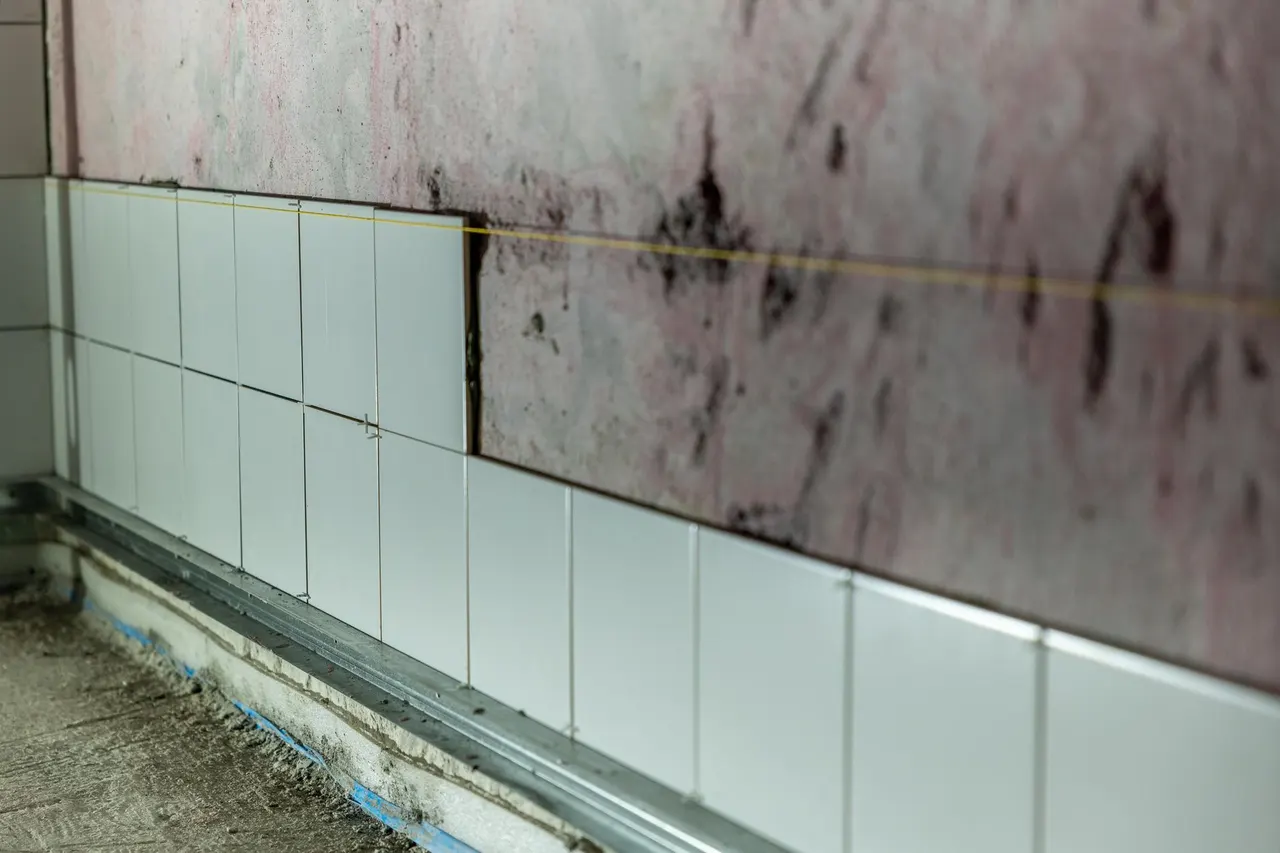
A 1960s ranch near Sterne Park has frost on the roof nails every January and a damp smell in the hallway.
We measure humidity at the hatch, mid-attic and roof deck, find the bath fan dumping into the insulation, reroute it outside, seal the hatch and can lights, and add soffit baffles where the blown-in insulation has buried the vents.
Outcome: Humidity drops from the high 60s to the low 40s, the frost stops forming, and the hallway smell clears within a week.
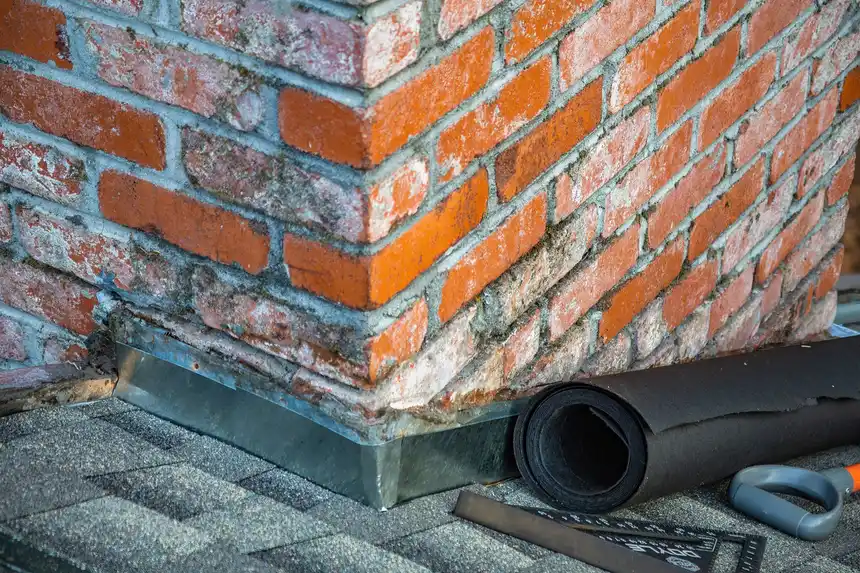
A newer two-story in TrailMark has condensation on the sheathing even though the roof was replaced two years ago.
Thermal imaging shows cold spots along the ridge where exhaust ventilation is undersized. We add a ridge vent, rebalance the soffit intake, and set a humidistat-controlled dehumidifier with a drain line for the coldest six weeks.
Outcome: Sheathing readings stay dry through the winter and the homeowner avoids a second roof conversation.

A rental property in Littleton Village has a tenant complaining about musty air and allergy symptoms.
We inspect both attic spaces, document the moisture readings and affected surfaces with photos, correct the air leaks, treat the wood with Benefect, and provide a written report the owner can keep on file.
Outcome: The tenant's complaints stop, the owner has documentation for the file, and the unit turns over without a moisture issue on the next inspection.
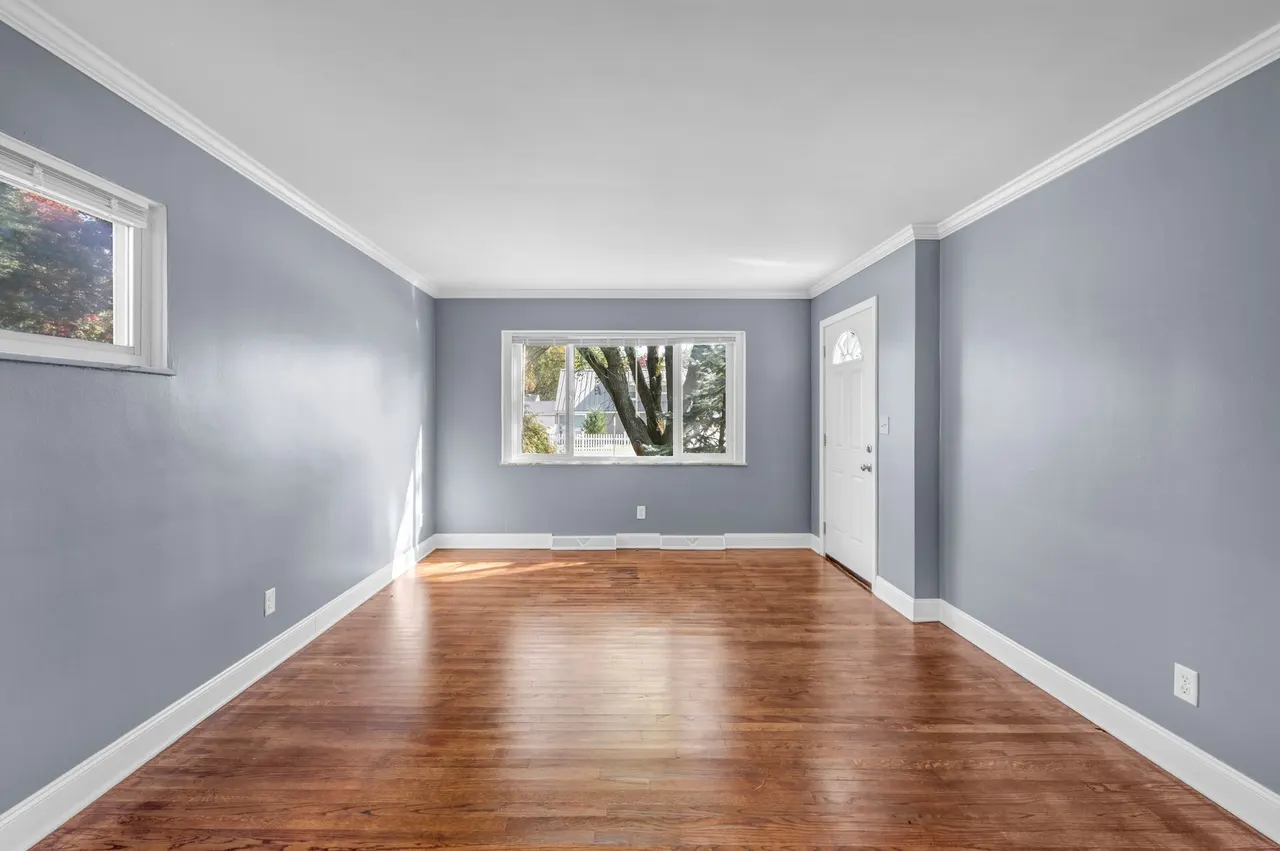
A home in Ken Caryl is under contract and the buyer's inspector flagged damp sheathing in the attic.
We respond within a day, take moisture and thermal readings, correct the ventilation shortfall, treat the affected sheathing, and supply before-and-after documentation formatted for the transaction.
Outcome: The buyer gets a clear answer, the seller avoids a price renegotiation, and closing stays on schedule.

Littleton sits at about 5,400 feet, and the temperature swing here does most of the damage. Indoor air at 68 degrees and 40 percent humidity hits a roof deck sitting at 15 to 25 degrees on a January night, and that is when the water drops out of the air.
The older housing stock around Historic Downtown Littleton and Sterne Park was built before bath fans were vented to code, so we find a lot of ducts terminating in the attic. Newer builds in Sterling Ranch and Roxborough Village are tighter, which means less natural air exchange and more reliance on mechanical ventilation.
Arapahoe County code now requires bath exhaust to terminate outside, so any attic duct ending indoors is a correction we make as part of the job. If you have been looking for same-day attic moisture control Littleton CO service after a cold snap, call us and we will get readings the same day.

Before: Frost formed on the roof nails every January and the upstairs hallway smelled damp. Humidity at the roof deck read 68 percent. The bath fan was venting directly into the insulation and the soffit vents were completely buried.
After: We rerouted the bath fan outside, sealed the hatch and six can lights, and installed baffles at every soffit bay. Deck humidity dropped to 41 percent and stayed there through two winters with no frost and no odor.
Check the bath fan termination each fall and keep the soffit bays clear of insulation. We recommend a humidity reading every October before the cold sets in.
Before: The roof was two years old but sheathing showed dark staining along the ridge. Thermal imaging found cold spots where exhaust ventilation was undersized for the attic volume. Humidity held in the low 60s all winter.
After: We added a ridge vent, rebalanced the soffit intake, and set a humidistat-controlled dehumidifier with a drain line. Sheathing moisture readings came back dry at the 30-day check and stayed dry through the following season.
Replace the dehumidifier filter annually and verify the humidistat is set under 45 percent before the first freeze.
Before: A tenant complained about musty air and allergy symptoms. The attic had visible surface growth on the sheathing and humidity readings in the high 60s. The dryer duct had come loose and was dumping into the attic space.
After: We reconnected and sealed the dryer duct, treated the sheathing with Benefect, ran a HEPA vacuum and air scrubber, and re-read humidity at 43 percent. The tenant's complaints stopped within a week and the unit passed its next inspection.
Inspect the dryer duct connection at every tenant turnover and keep the attic hatch gasket in good shape.
Most Littleton attic moisture calls come down to four issues. Each one has a different fix, and guessing wrong wastes money. We measure first, then correct the actual cause.
A dry attic, stable readings, and no more frost or musty air.
Mold needs 24 to 48 hours of sustained damp to colonize wood sheathing. Keeping attic humidity under 45 percent removes that window entirely. We have pulled sheathing samples in Columbine that read clean two winters after a moisture fix, which is the whole point of doing this work early.
Wet fiberglass and cellulose lose insulation value fast. A soaked batt can drop from R-38 to under R-20, which shows up as ice dams and higher gas bills. Drying the attic and correcting the vapor path keeps the insulation you already paid for doing its job.
That damp, sour smell in a second-floor hallway is usually attic air leaking down through the hatch or a can light. Sealing those paths and running attic dehumidification Littleton homeowners can rely on clears the odor at the source instead of masking it with plugins.
Repeated condensation cycles soften wood sheathing and truss plates. Replacing sheathing on a 1,200 square foot roof deck runs into thousands. A moisture control visit costs a fraction of that and takes a few hours, not a week.
What a written scope covers and what shapes it. Prices are set by the business after the first look.
Included
Depends on
Clear records you can keep and share.

Humidity and moisture numbers before and after
Before-and-after images from the same angles
Plain-language rundown of what was corrected
What to check before the next cold season
Most damp attics have one of two problems, and the fix is different for each.
Warm household air escaping into the attic
Attic air cannot move from eave to ridge
Leaks feeding moisture into a space that cannot dry
A list like this tells people straight away whether you cover their street. Not listed? Call and ask: it only takes a minute.
Based in Littleton and covering the places around it. Pick one for local details.
Sealing bath fans and the attic hatch sits at the low end. Adding powered ventilation, baffles and a dehumidifier with a drain line pushes toward the top. Larger attics over 1,500 square feet or homes with two separate attic spaces cost more because there is more surface to seal and verify.
Bath fans and dryer ducts venting into the attic cause most of it, followed by air leaks at can lights and the attic hatch. In Littleton the winter swing does the rest: indoor air at 68 degrees and 40 percent humidity hits a roof deck sitting at 20 degrees and dumps its water right there. Blocked soffit vents make it worse by trapping that air instead of letting it escape.
Seal the air leaks first, then balance intake and exhaust ventilation, then add mechanical drying only if the readings still run high. We target under 45 percent relative humidity at the roof deck. In most Littleton homes that means rerouting bath fans outside, installing baffles at the soffits, and adding a humidistat-controlled dehumidifier for the coldest six weeks of the year.
Only if sealing and ventilation do not get you under 45 percent relative humidity. We measure after the sealing work and let the numbers decide. Roughly a third of the Littleton attics we treat end up needing a Dri-Eaz or Phoenix Restoration unit with a drain line and humidistat. The rest stay dry on ventilation alone, and we tell you which group you are in before you spend anything.
Other services from the same team.
Frost on the trusses in November turns into damp sheathing and mold by February. We measure, seal and verify, and you get the readings in writing. Call (720) 953-3834 or book a visit online.
Call (720) 953-3834 or email us and we will schedule an attic inspection, usually within a day or two. We work Monday through Friday, 8am to 6pm, and we answer the phone ourselves. If you have a leak or storm damage, tell us and we will prioritize the call.