For homeowners
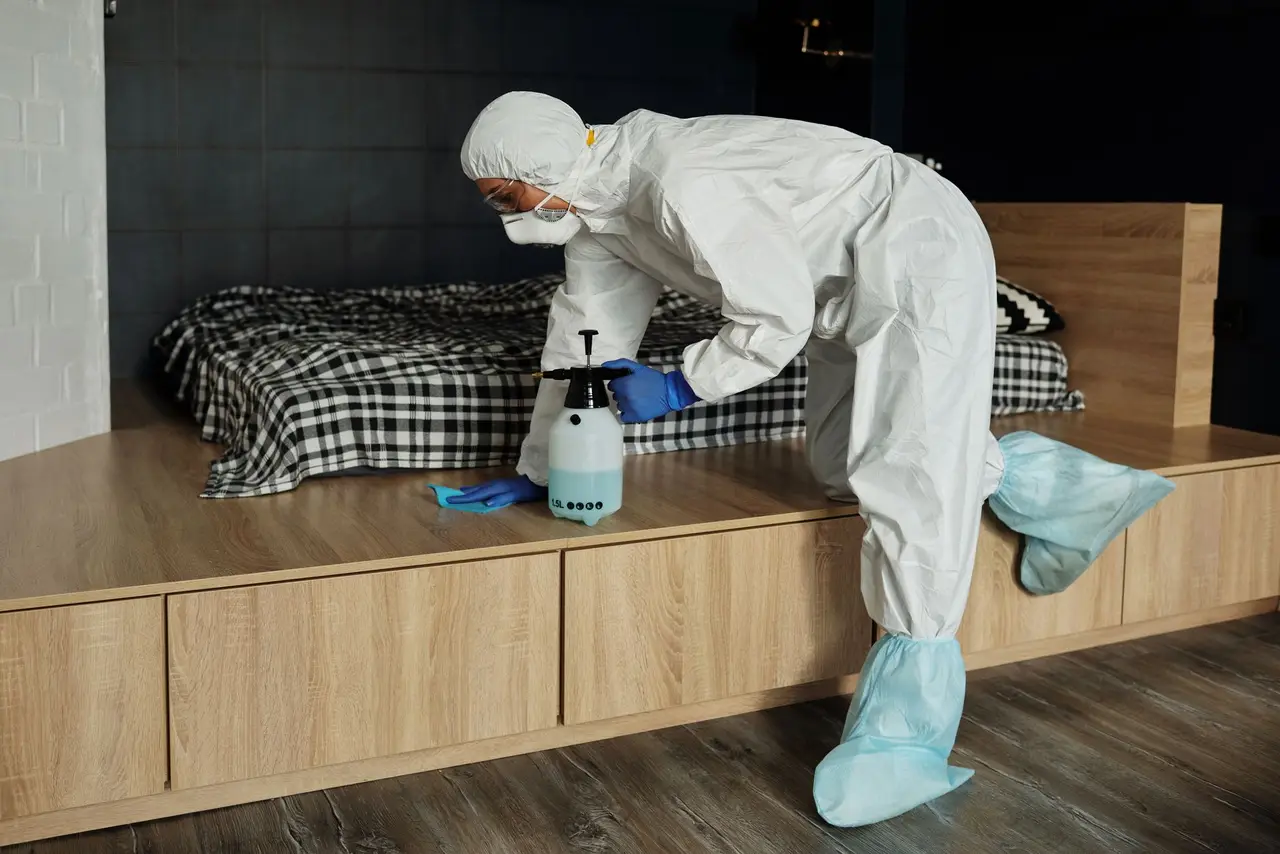
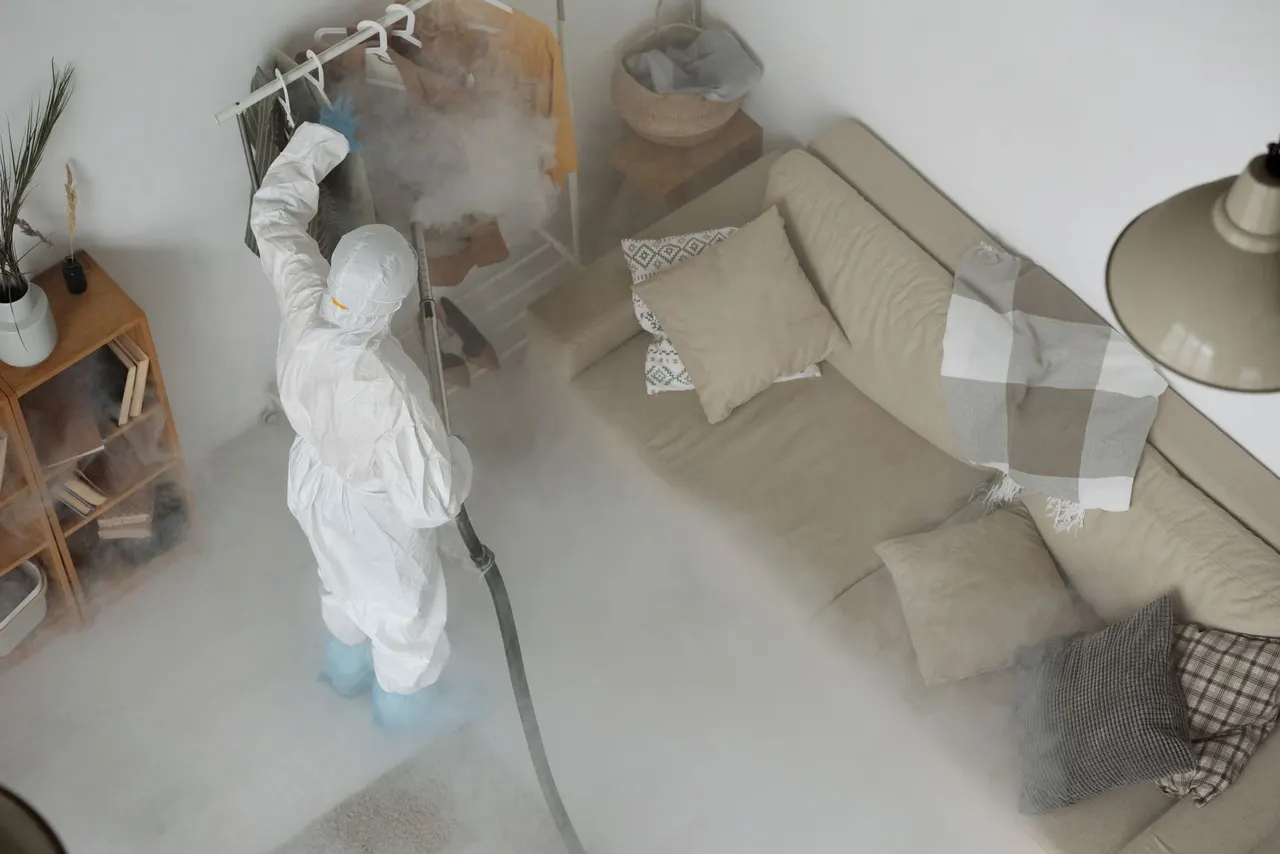
We treat attic mold in occupied homes without disrupting your day. Containment and HEPA filtration keep spores out of your living space while we work.
- Musty smell upstairs
- Dark staining on roof deck
- Allergy symptoms getting worse
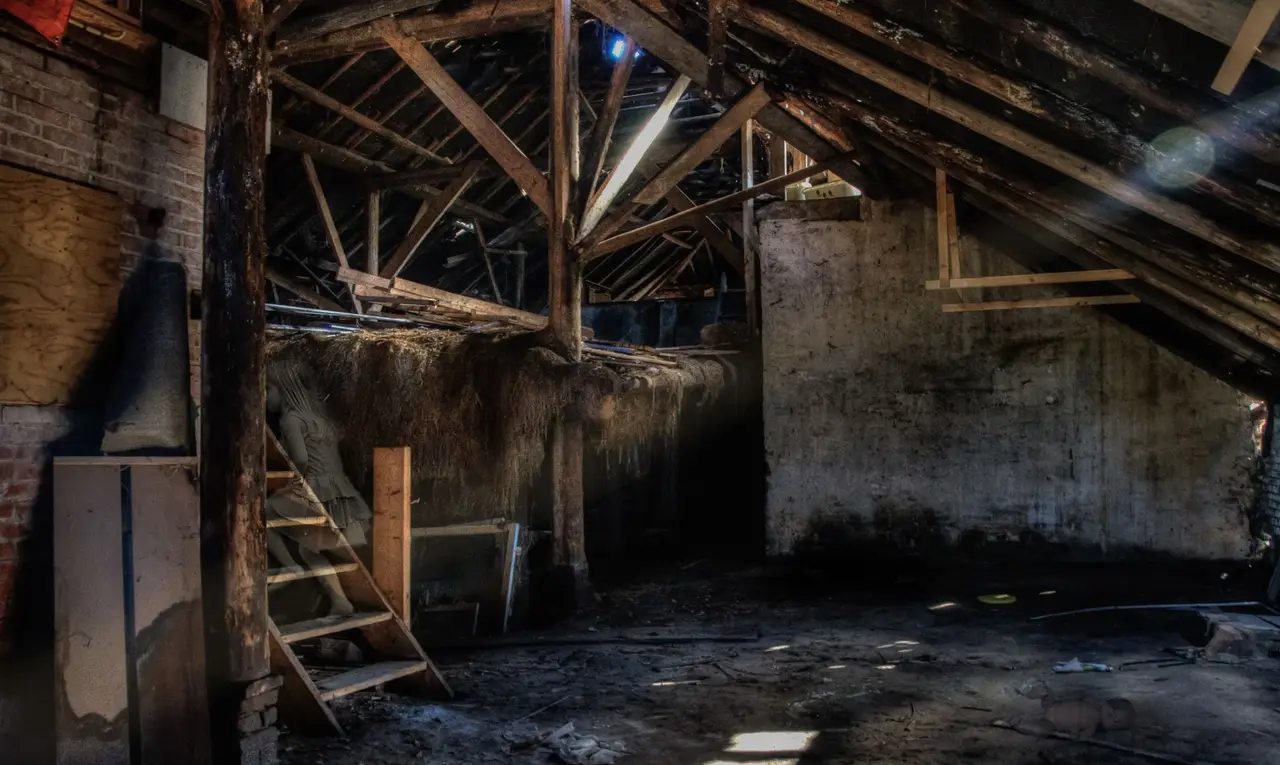
Attic Mold Treatment Littleton CO starts with finding out why moisture is trapped up there, not just spraying what you can see. We inspect the sheathing, trusses, and insulation, kill the growth with EPA-registered products, and fix the ventilation or leak that caused it. If you have smelled that musty odor in your hallway or spotted dark staining around the roof deck, call us at (720) 953-3834 for a same-day look.
 Moisture mappingContainment setupPhoto records
Every attic mold treatment job includes the core steps below. If your attic needs additional work, like roof leak repair or full insulation replacement, we will tell you upfront and price it separately so you can decide what to do now and what can wait.
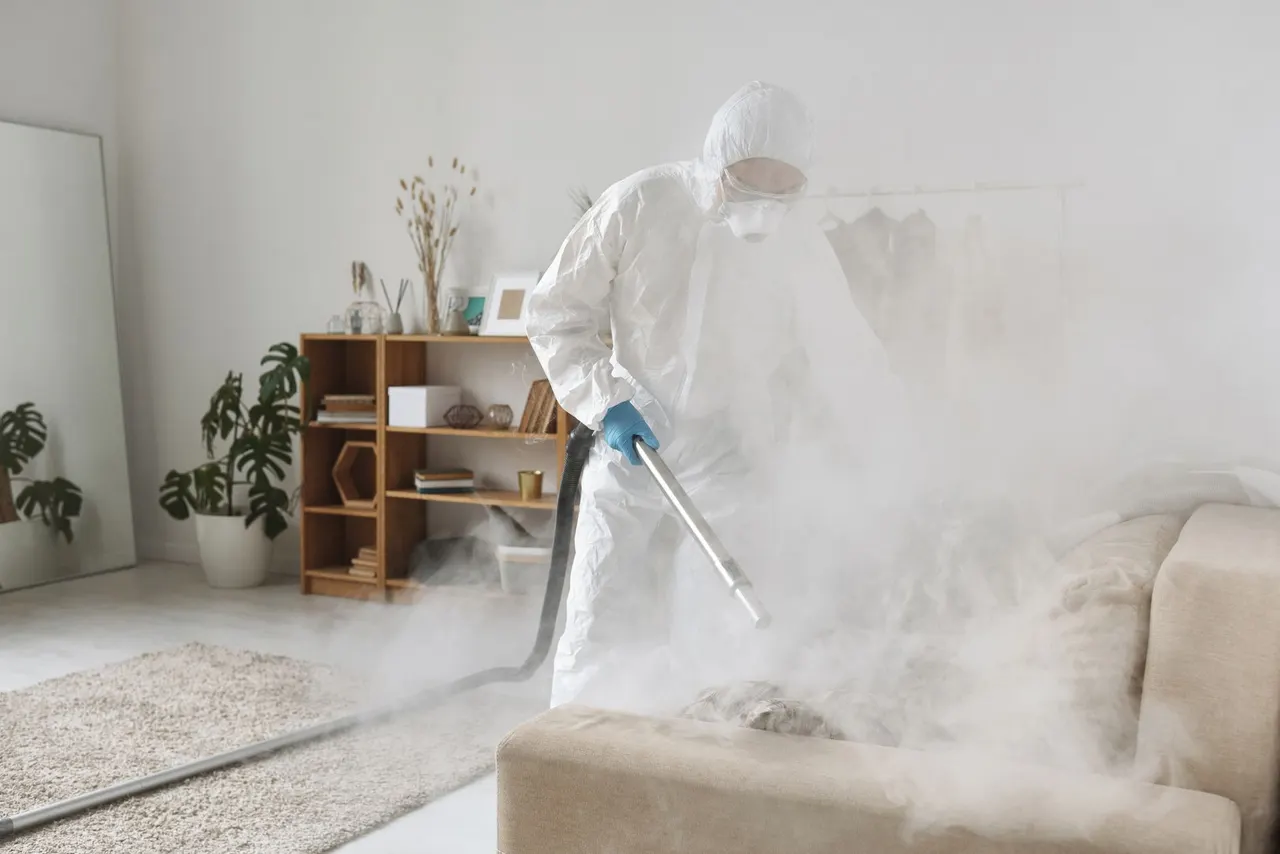
Moisture meter, hygrometer, thermal imaging camera, and boroscope walkthrough of the entire attic. We check sheathing, trusses, top plates, insulation, ductwork, and every ventilation opening, then give you a written summary of what we found.
Poly sheeting seals the attic from living space, and a negative air machine with HEPA filtration runs throughout the job. This keeps spores from drifting into bedrooms and hallways while we work.
EPA-registered products applied to every affected surface, including sheathing, trusses, and framing. For heavy growth we use RMR-86 or Fiberlock, then follow with a fogger to reach tight bays and corners.
We repair roof leaks, reroute bath and dryer exhaust, and correct ventilation problems that caused the mold in the first place. Treatment without this step does not hold, so it is built into every job.
Post-treatment moisture readings, after photos of every treated surface, and a written record of products used and repairs made. You get a packet suitable for insurance, real estate, or your own records.
The approach is the same for a home and a business. What changes is the access, the schedule and who needs the paperwork.
We treat attic mold in occupied homes without disrupting your day. Containment and HEPA filtration keep spores out of your living space while we work.
We handle attic and roof cavity mold for commercial buildings, HOAs, and multi-family properties. Work is scheduled around tenants and documented for your property records.
A plain-language look at what Attic Mold Treatment involves and when it is needed.
See how it worksAttic Mold Treatment Littleton CO is a multi-step remediation process that kills active mold growth on roof sheathing, trusses, and insulation, then corrects the moisture source feeding it. We start with a moisture meter and thermal imaging camera to map where water is entering or condensing. From there, we set up containment with a negative air machine and HEPA vacuum, apply an antimicrobial spray like Concrobium or Benefect, and treat every affected surface. It is not a fog-and-go job. The treatment only holds if the roof leak, bath fan, or ventilation problem behind it gets fixed in the same visit.
Littleton homes deal with a specific set of attic moisture problems. Our freeze-thaw cycles push warm, humid air into cold attics, where it condenses on wood sheathing and trusses overnight. Older homes near Downtown Littleton and Historic Downtown Littleton often have undersized soffit vents or bath fans dumping straight into the attic. Newer builds in Sterling Ranch and TrailMark are tighter, so humidity has nowhere to go. If you have been searching for attic mold treatment near me Littleton and getting generic answers, that combination of climate and construction is why a real inspection matters more than a spray can.
Attic mold treatment kills the growth and fixes the moisture source so it does not come back.
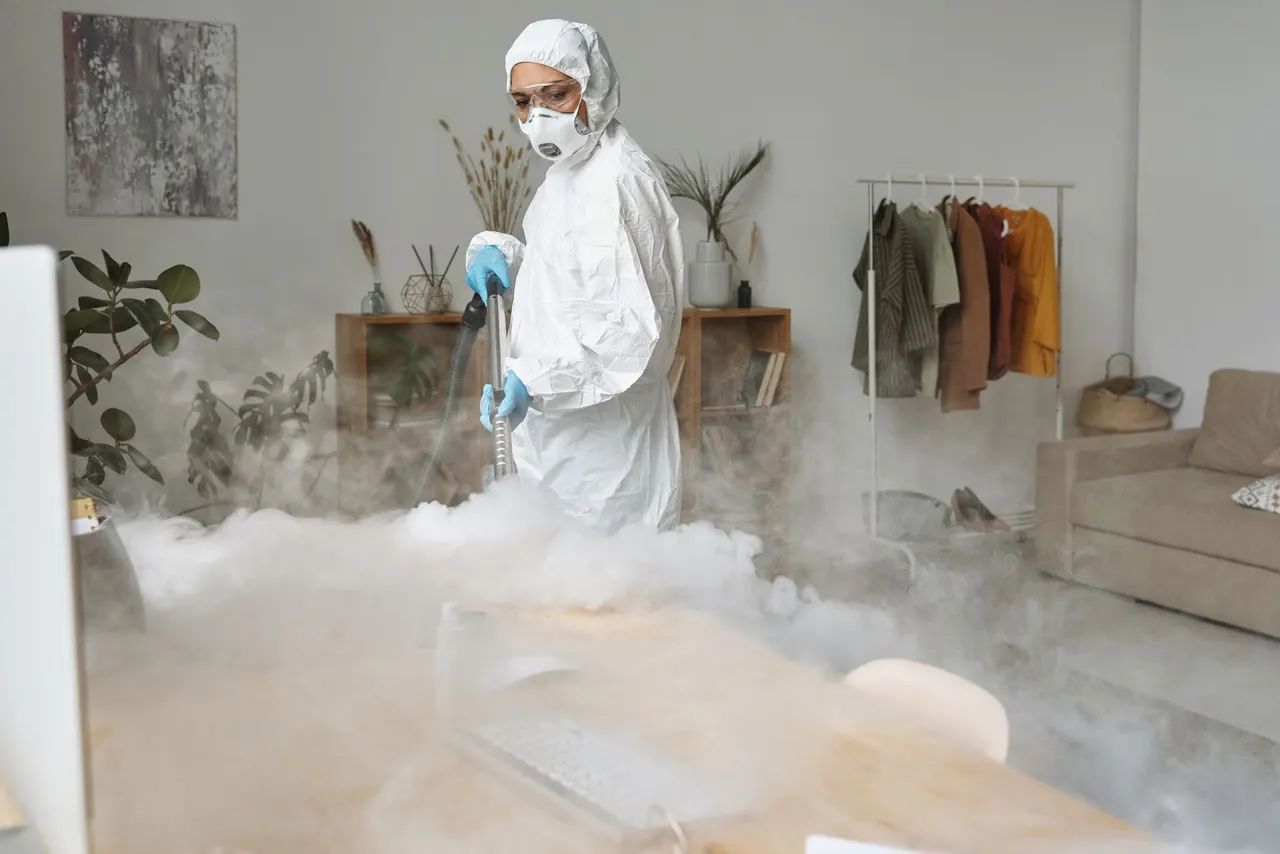
Every job follows the same sequence. You get a clear picture of what we found, what we are doing about it, and what it costs before we start spraying anything.
We walk the attic with a moisture meter, hygrometer, and thermal imaging camera, and use a boroscope to check behind insulation and inside ductwork. If you want lab confirmation, we pull tape or air samples for attic mold testing. This usually takes 45 to 90 minutes, and you get a written summary of what we found and where.
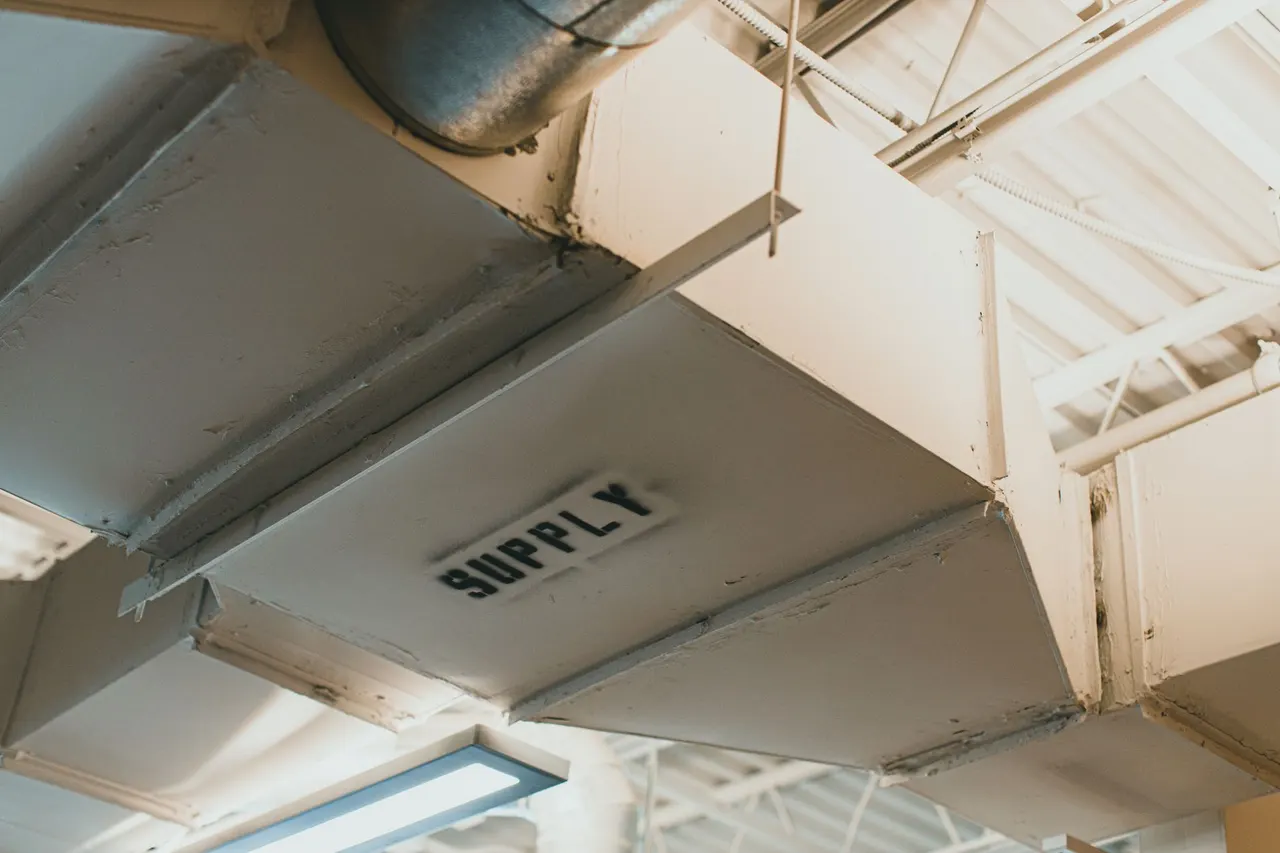
Before any treatment starts, we seal off the attic from the rest of the house with poly sheeting and run a negative air machine so spores cannot drift down into living space. A HEPA vacuum pre-cleans loose debris and surface growth. Setup takes about 30 to 60 minutes depending on attic size and access.
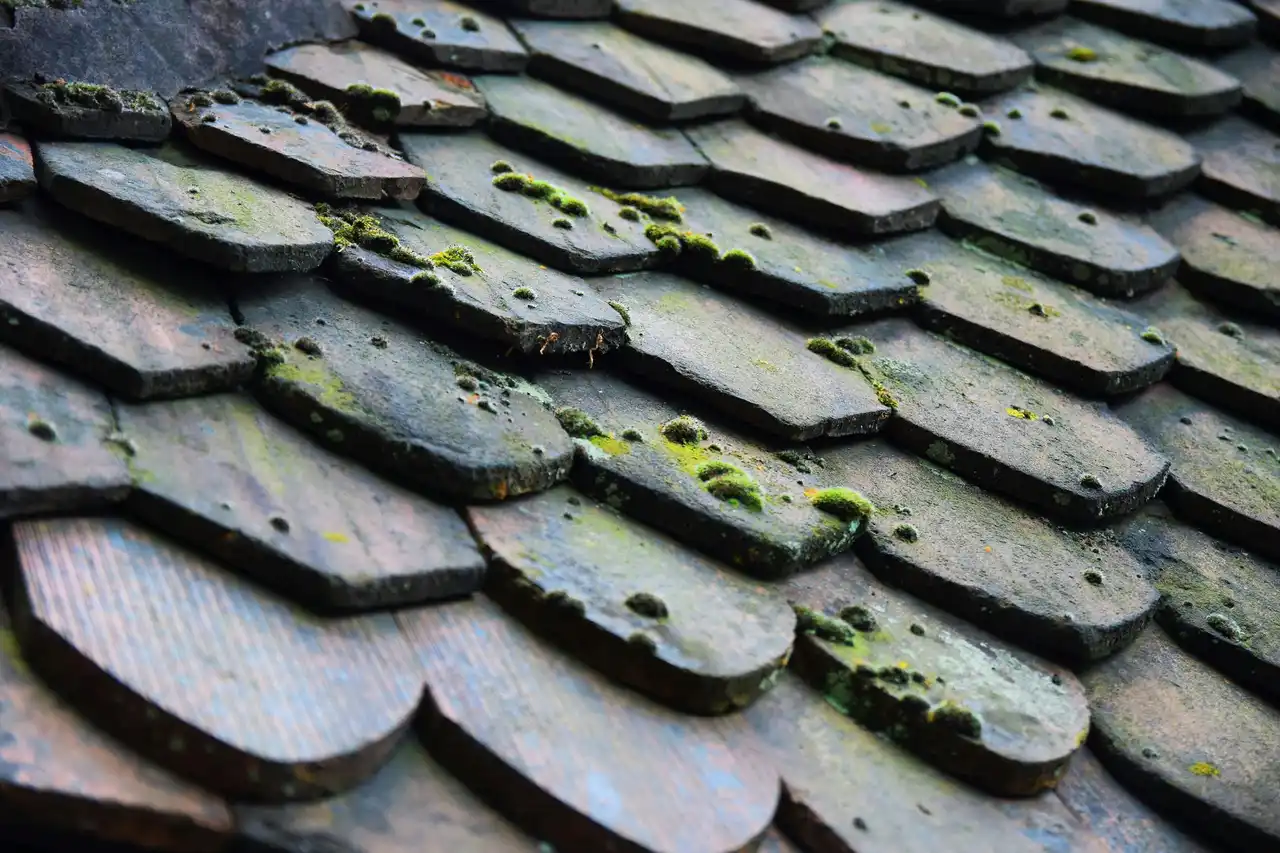
We apply an antimicrobial spray to every affected surface: sheathing, trusses, top plates, and any moldy insulation facing. For heavy growth, we use RMR-86 or Fiberlock products, then follow with a fogger to reach into corners and tight bays. Most attics take two to four hours of active treatment.

Treatment without fixing the source is a waste of money. We repair roof leaks, reroute bath and dryer exhaust, and add or resize ventilation fans and soffit vents so the attic can dry. If insulation is saturated, we remove and replace it with mold-resistant drywall backing or fresh fiberglass or cellulose insulation.
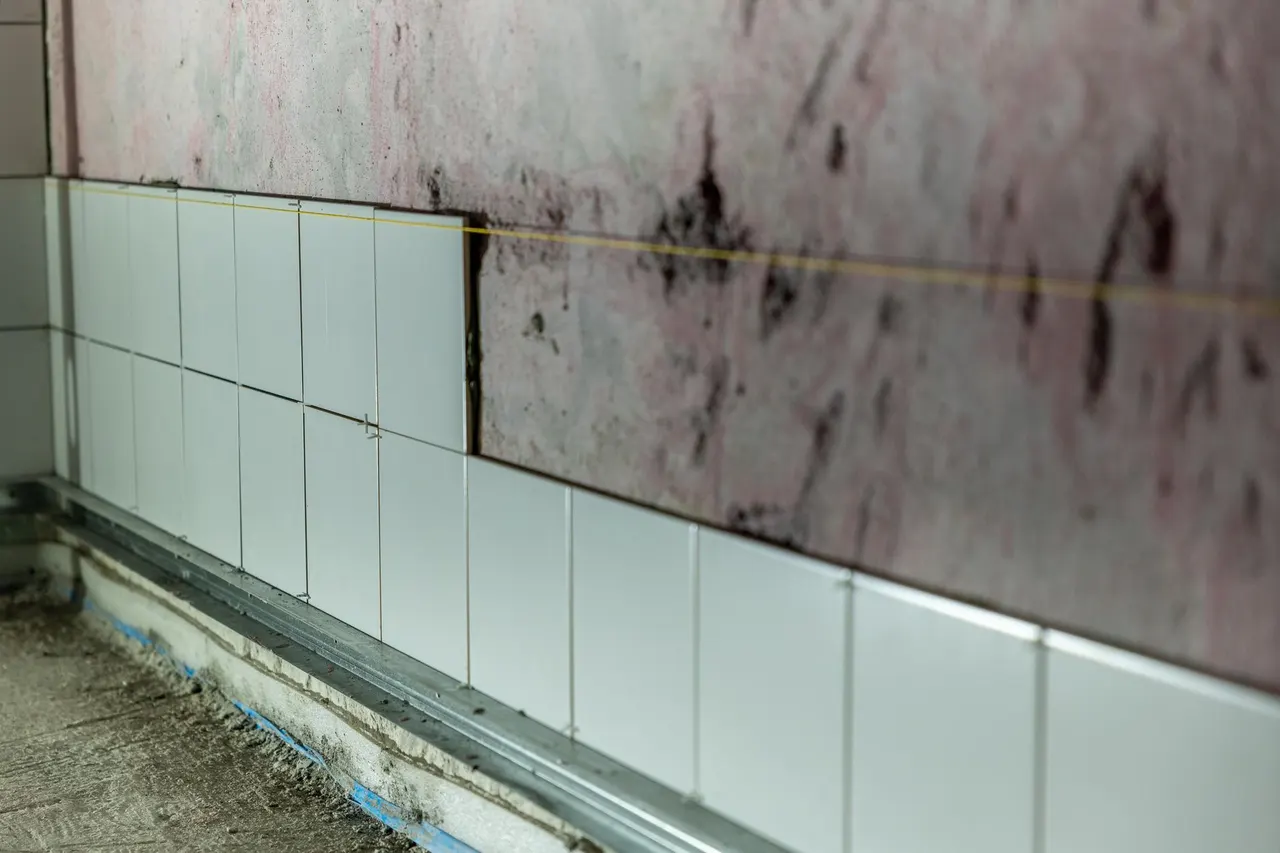
We re-check moisture readings, confirm the attic is dry, and take after photos of every treated surface. You get a written record of products used, areas treated, and repairs made. If you are filing an insurance claim or selling the home, that packet is what your adjuster or buyer's agent needs.
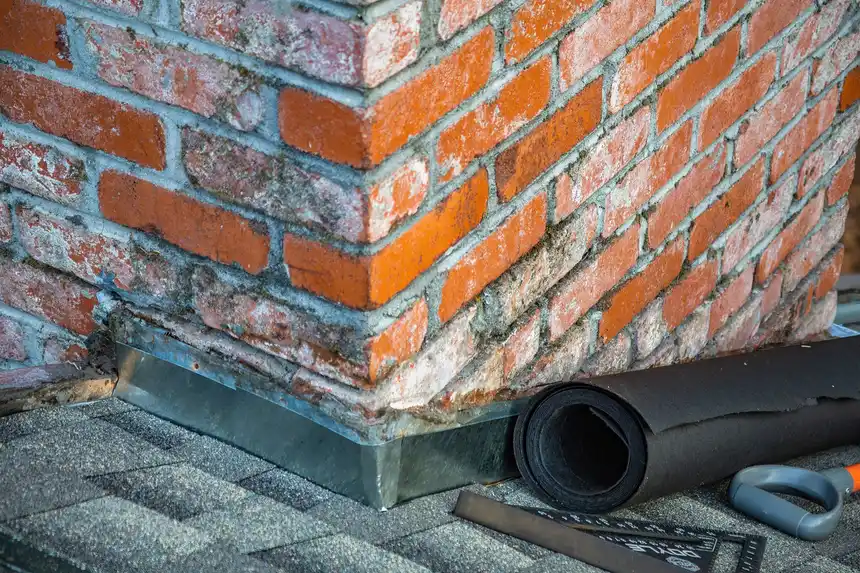
Move across a circle, or focus it and press Enter, for an illustrative thermal view of the photograph.

Finds temperature differences that reveal hidden moisture, roof leaks, and condensation zones behind insulation and sheathing.
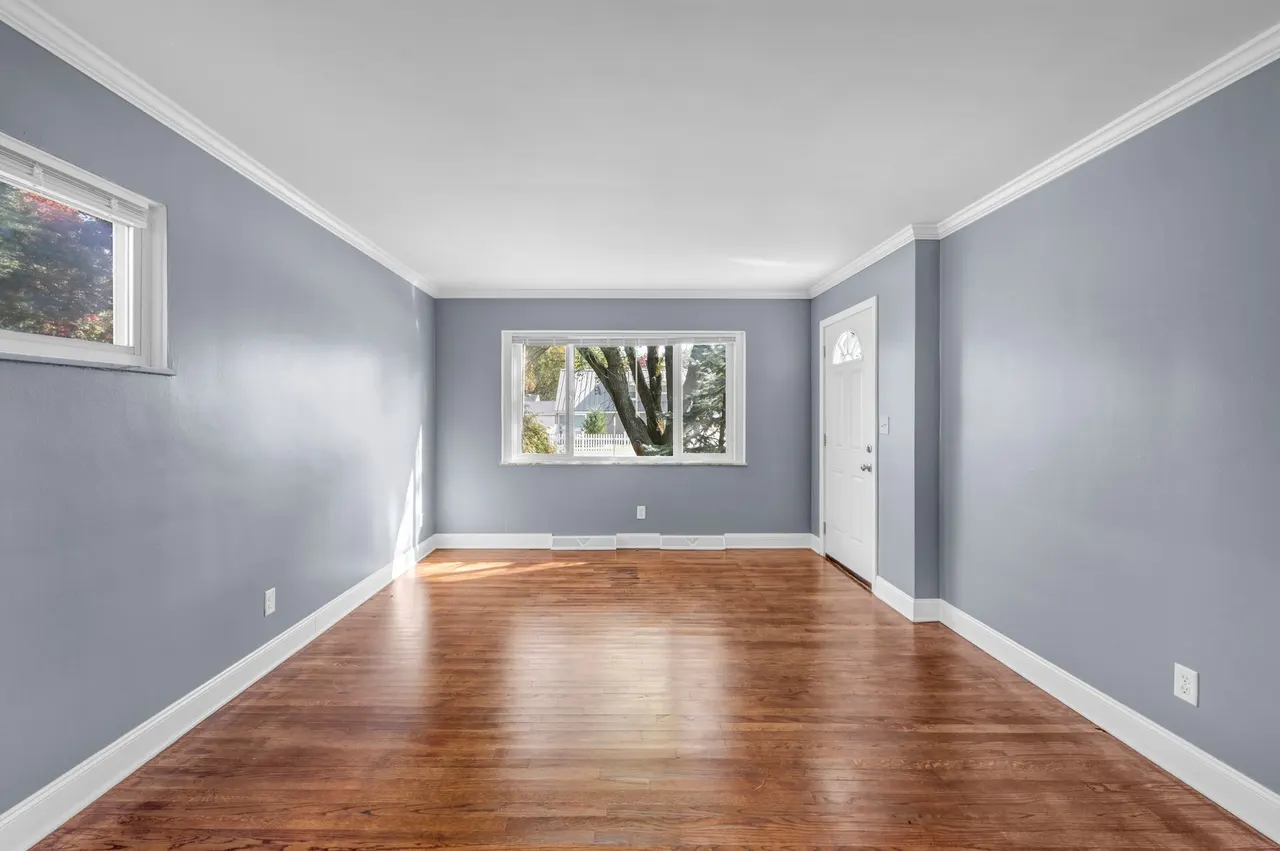
Measures actual moisture content in wood and relative humidity in the attic so we know what is wet and how wet it is.

Lets us see behind insulation, inside ductwork, and into tight bays without tearing anything apart.
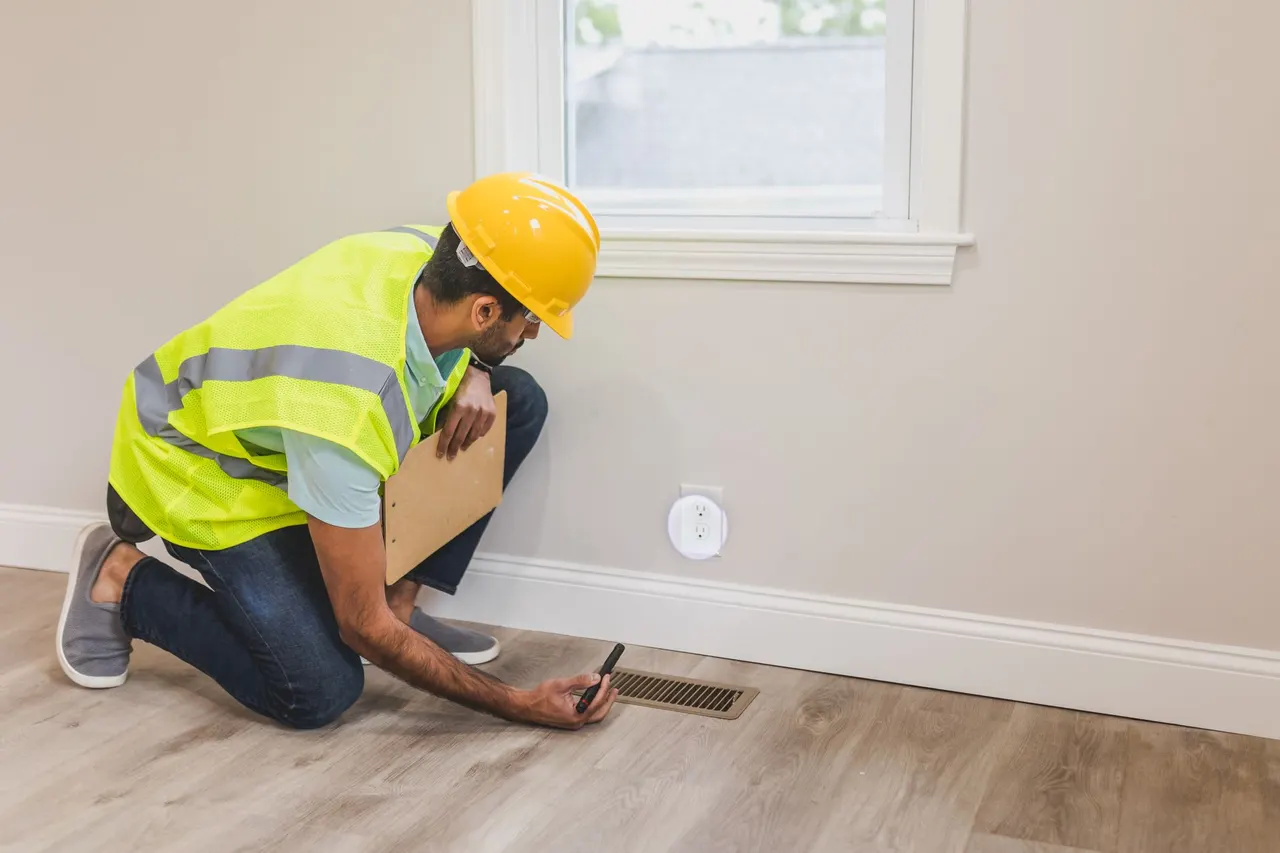
Creates containment pressure and filters airborne spores so they do not migrate into living space during treatment.

Removes loose debris, dust, and surface growth before treatment so antimicrobial products reach the actual substrate.
Thermal views are illustrative, generated from the photographs.
Applies antimicrobial product as a fine mist that reaches corners, truss bays, and tight spaces a sprayer cannot.
Dries wet sheathing and framing after leak repair so the attic returns to a stable moisture level before we close the job.
The industry standard for mold remediation. It governs containment, removal, cleaning, and verification. We follow it on every job so the work holds up to inspection and insurance review.
We seal the attic from living space and establish negative pressure before any treatment starts. This keeps spores out of your home during the job, which matters most when someone in the house has allergies or asthma.
Treatment without fixing the source is temporary. We repair leaks, reroute exhaust fans, and correct ventilation so the attic can dry between storms and stay dry through Colorado's freeze-thaw cycles.
After treatment we re-check moisture readings, confirm the attic is dry, and photograph every treated surface. You get a written record of products used, areas treated, and repairs made.

You smelled something musty upstairs and found dark staining on the roof deck.
We inspect with a moisture meter and thermal camera to confirm active growth, then treat the affected surfaces and track down the moisture source. Most jobs like this are done in a single visit.
Outcome: The odor is gone, the growth is dead, and you know exactly what caused it so it does not come back.

A home inspector flagged attic mold and your closing is in two weeks.
We prioritize real estate deadlines. Inspection within 24 hours, treatment scheduled around your closing date, and photo documentation plus a written treatment record delivered to you and your agent.
Outcome: The buyer gets the documentation they need and your closing stays on schedule.

Your roof leaked during a spring storm and you are worried about what is growing up there now.
We find the leak with thermal imaging, repair it, and treat any mold that has started on the sheathing or trusses. If insulation got wet, we remove and replace it so it does not become a food source.
Outcome: The leak is fixed, the mold is treated, and the attic is dry and stable before the next storm.
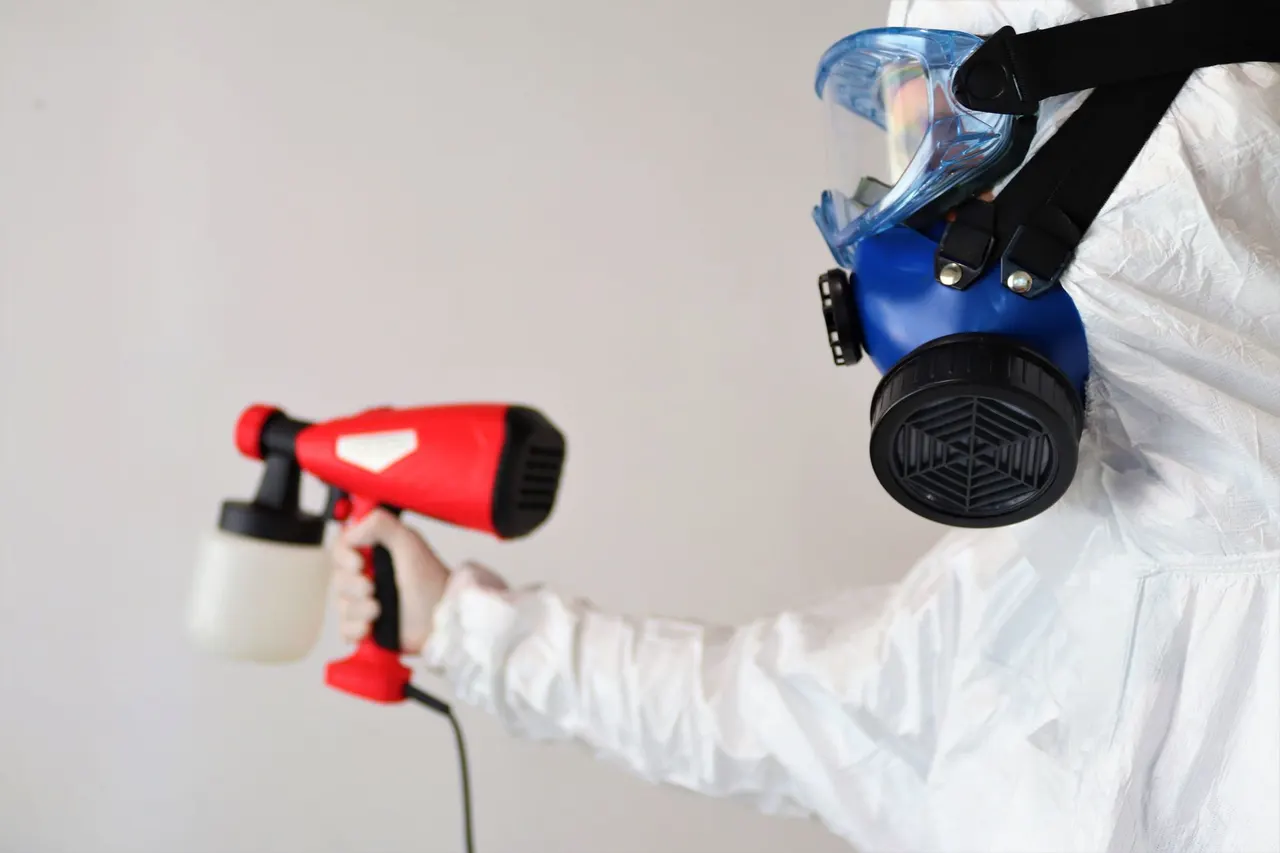
Someone in the house has asthma or allergies that get worse in certain rooms.
We test air quality in the attic and living space, treat any mold we find with low-toxicity products, clean the ductwork if needed, and verify spore counts dropped before we leave.
Outcome: Measurable air quality improvement and fewer triggers for the people who live there.

You are a landlord and a tenant reported a musty smell in an upstairs unit.
We coordinate access with the tenant, complete the inspection and treatment in one visit when possible, and provide records for your property file. Fast turnaround so the unit goes back to normal quickly.
Outcome: The tenant issue is resolved, the unit is documented, and you have a record for your files.
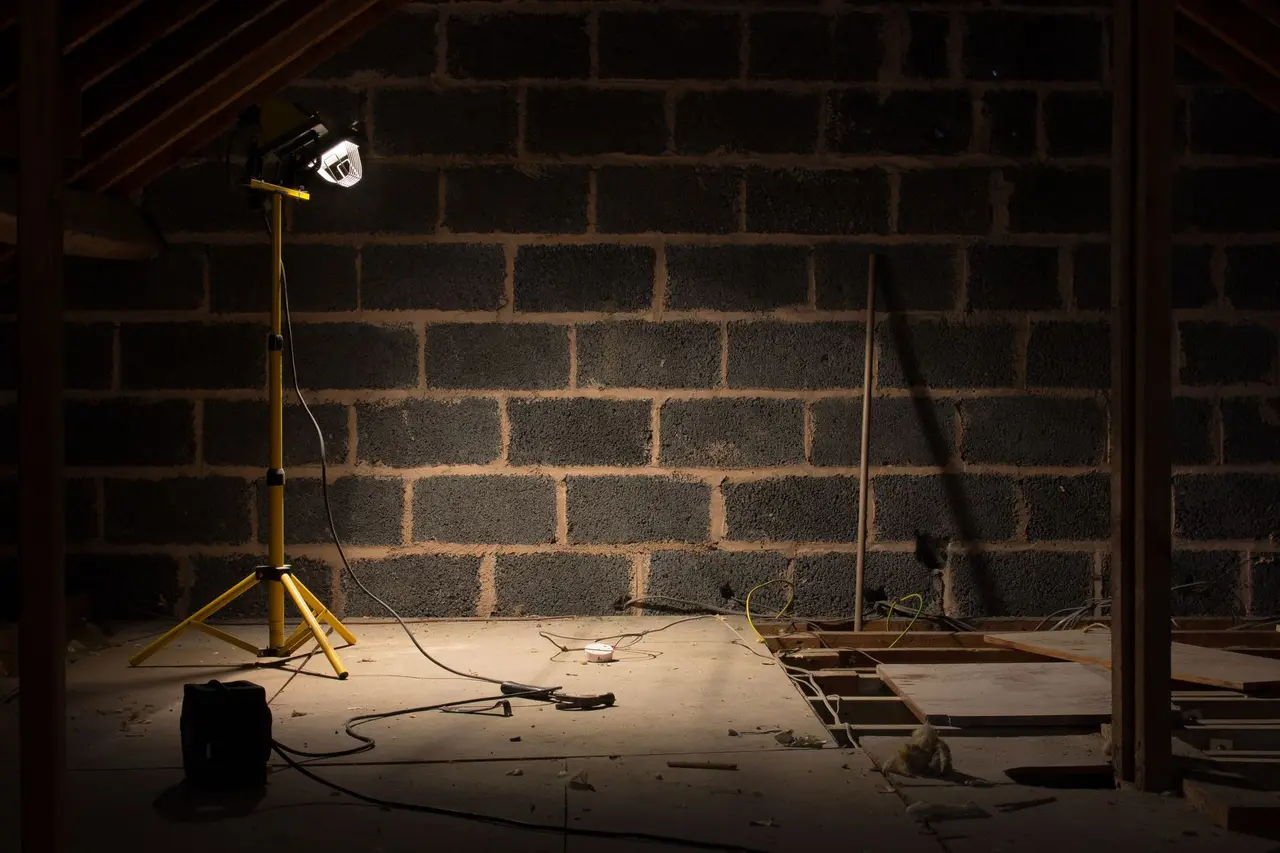
Littleton sits in a climate zone that is hard on attics. Winter nights drop below freezing, then daytime sun warms the roof deck, and that cycle repeats for months. Warm, moist air from the living space rises into the attic, hits the cold sheathing, and condenses. Do that for a few seasons and you have mold on the wood.
Older homes near Downtown Littleton and Historic Downtown Littleton often have undersized soffit vents or bath fans that dump straight into the attic, which makes it worse. Newer construction in Sterling Ranch and TrailMark is tighter, so humidity has nowhere to escape.
We size ventilation corrections to the actual attic volume, not a generic kit, and we follow Arapahoe County code requirements for exhaust and ventilation. If you have been looking for professional attic mold treatment Littleton, Colorado homeowners trust, this is the work we do every week.

Before: A 1990s two-story in Ken Caryl had black mold across roughly 40 percent of the north-facing sheathing. The bath fan was venting directly into the attic, and insulation was saturated. The homeowner had been quoted a full roof replacement by two other contractors.
After: We treated the sheathing with RMR-86 and a fogger, rerouted the bath fan to the exterior, and replaced the wet insulation. Total job time was one day. Post-treatment moisture readings were in the normal range and the attic has stayed clean through two winters.
Keep the bath fan running 20 minutes after showers and check the attic once a year for new staining. We can schedule an annual inspection if you want it on the calendar.
Before: A 1940s home near Historic Downtown Littleton had a musty smell in the upstairs hallway for years. The homeowner had tried air purifiers and candles. Inspection found mold on the trusses and in the original cellulose insulation, plus a roof leak at a vent boot.
After: We repaired the vent boot, removed the contaminated insulation, treated the trusses and sheathing, and installed fresh insulation. The odor was gone within 24 hours. The homeowner reported fewer allergy symptoms within the first week.
Recheck the vent boot after hail season and keep the attic ventilation clear of stored items. We can come back for a quick moisture check each fall.
Before: A newer home in Sterling Ranch had condensation on the roof sheathing and early mold growth on the north side. The attic was tightly sealed with limited intake ventilation, so humidity from the living space had nowhere to go.
After: We treated the early growth, added intake ventilation sized to the attic volume, and verified moisture levels over the following week. The sheathing stayed dry through the next freeze-thaw cycle and no new growth appeared.
Run the bath fan and kitchen exhaust every time you cook or shower. If you notice frost on the roof deck in winter, call us for a moisture check.
Most attic mold calls come down to one of a handful of root causes. Here is what we see most often in Littleton and how we handle each one.
A dry, mold-free attic with documentation to prove it.
That smell in your upstairs hallway is usually attic mold off-gassing through ceiling gaps and ductwork. After treatment with an air scrubber running through the job, most homeowners notice the odor is gone within 24 to 48 hours. If you have been chasing the source with candles and air fresheners, this is where it actually ends.
Mold digests the cellulose in wood sheathing and trusses. Left alone for a few seasons, it softens the deck enough that shingles start to sag and nails lose grip. Killing the growth early preserves the structure and saves you from a full roof deck replacement, which runs into five figures.
If anyone in the house deals with allergies or asthma, attic mold spores are a real trigger. We offer attic mold treatment for allergies Littleton clients specifically request, using EPA-registered products and HEPA filtration that pulls airborne spores out of the space instead of pushing them into your bedrooms.
Attic mold shows up on home inspections constantly, and it stalls closings. For real estate transactions, we can usually get in and out within a week of the call so your closing date holds.
What a written scope covers and what shapes it. Prices are set by the business after the first look.
Included
Depends on
Clear records you can keep and share.

Written summary of findings and moisture readings
Before and after images of treated surfaces
Products used and areas treated
Leak and ventilation work completed
Not every patch of attic mold is the same. What we find on inspection determines how much work the job actually needs.
Light discoloration on sheathing with no active growth
Visible mold with musty odor and elevated moisture readings
Mold on trusses or softened sheathing from long-term moisture
A list like this tells people straight away whether you cover their street. Not listed? Call and ask: it only takes a minute.
Based in Littleton and covering the places around it. Pick one for local details.
Small attics with light surface growth land at the low end. Larger attics with heavy truss and ductwork contamination, or jobs that include roof leak repair and ventilation upgrades, land higher. We give you a written price after the inspection, before any work starts.
We use EPA-registered antimicrobial products including Concrobium, Benefect, Fiberlock, and RMR-86, selected based on the type and severity of growth. Benefect is a botanical option for homeowners who want the gentlest formulation. All products are applied per label directions with containment and HEPA filtration running, and we list exactly what was used in your written treatment record.
The treatment itself kills existing growth and holds as long as the moisture source stays fixed. In Littleton, that means keeping bath fans vented outside, roof leaks repaired, and attic ventilation sized correctly. When those are handled, we see attics stay clean for years. When moisture returns, mold returns, usually within one to two seasons. That is why we fix the source, not just the surface.
Yes, once the products have dried, which is typically four to six hours after application. We keep pets and people out of the attic and any connected space during treatment and until we confirm the area is dry. Benefect and Concrobium are commonly chosen by pet owners because of their low-toxicity profiles. We will tell you exactly which product we used and when it is safe to return.
Other services from the same team.
Call (720) 953-3834 and we will schedule a same-day inspection, give you a written price, and tell you exactly what is growing in your attic and why. No pressure, no upsells, just a straight answer from a local crew that does this every day.
Call (720) 953-3834 or email us and we will schedule an attic inspection, usually within a day or two. We work Monday through Friday, 8am to 6pm, and we answer the phone ourselves. If you have a leak or storm damage, tell us and we will prioritize the call.