For Homes
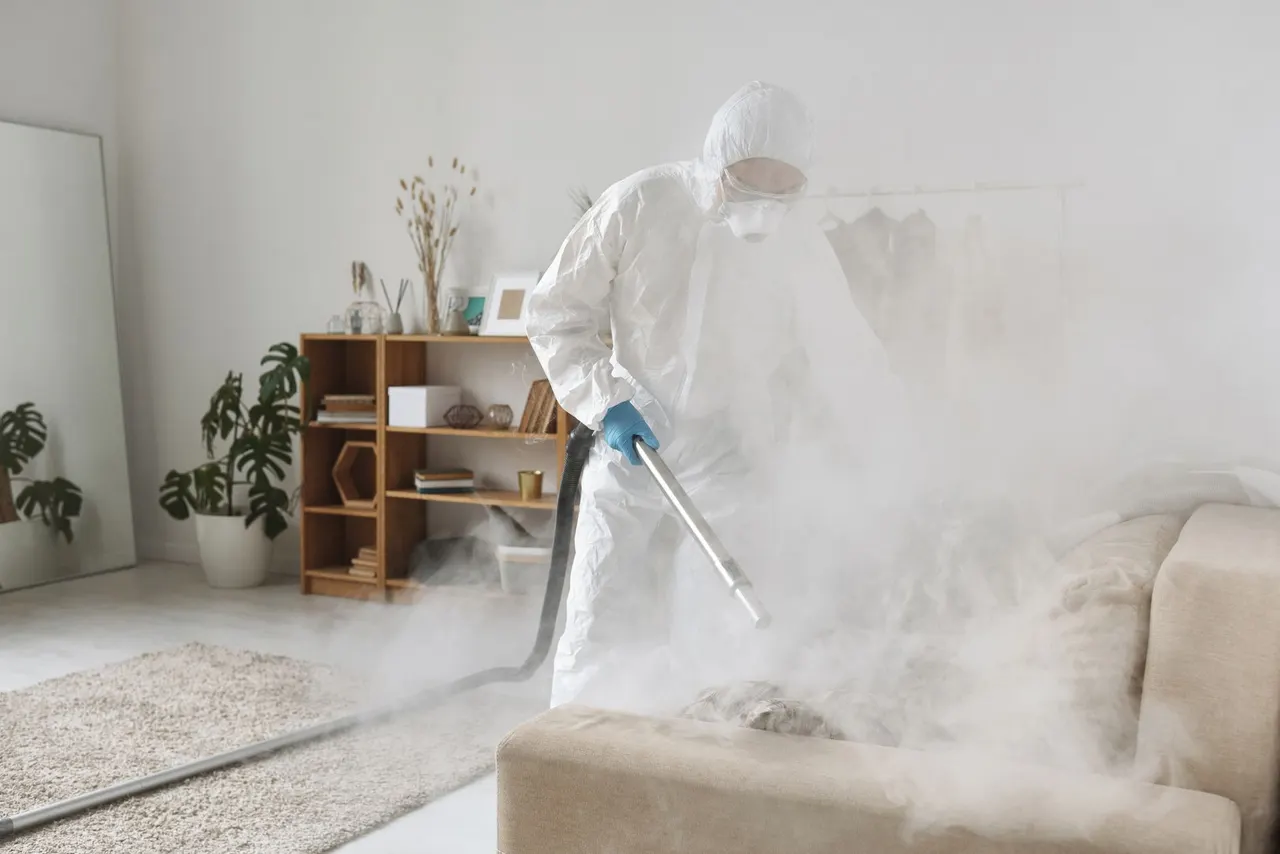
We remediate attic mold in houses, townhomes, and condos. We protect your living space and work around your schedule.
- Roof leak mold
- Condensation on sheathing
- Musty odors indoors
Attic Mold Remediation Littleton CO starts with finding why moisture is trapped up there in the first place. We inspect the sheathing, trusses, and insulation, then remove the growth and treat the wood so it does not come back. If you have smelled that musty odor or spotted black mold on the roof deck, call us. We handle homes and rentals across Arapahoe County.
 Moisture mappingContainment setupHEPA vacuuming
Every attic mold remediation job includes a full inspection, containment, removal, treatment, and final verification. We also document everything with photos and a written summary. If insulation or ductwork is contaminated, we handle that too. Here is what you get when you hire us.

We inspect the entire attic, including sheathing, trusses, insulation, and ductwork. Moisture meters and thermal cameras help us find hidden moisture. We also check ventilation and look for roof leaks. You get a clear report of what we found.
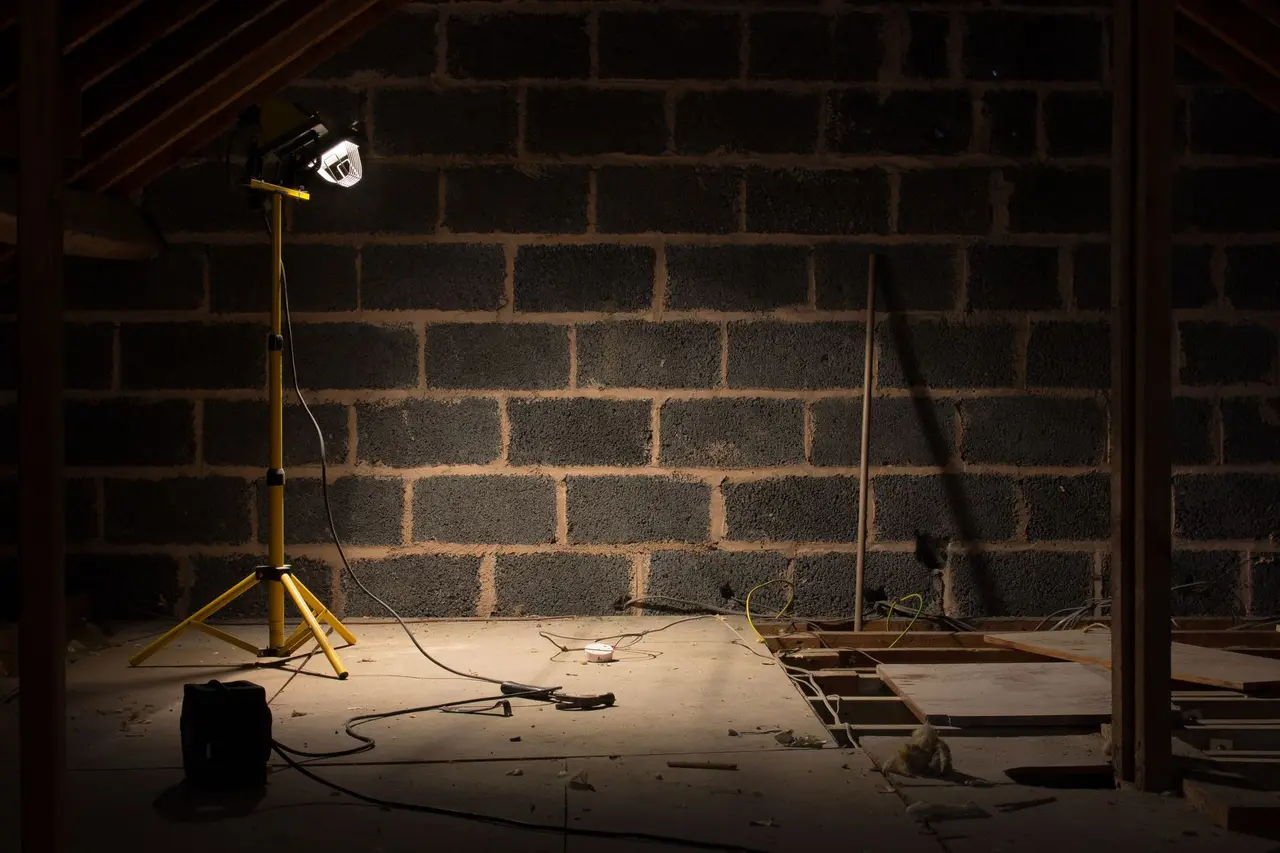
We set up plastic containment around the work area and run a negative air machine with HEPA filtration. This keeps mold spores from spreading into your living space. We also use air scrubbers to clean the air during and after work.
Technicians remove mold from all affected surfaces using HEPA vacuums and hand tools. Contaminated insulation is bagged and disposed of properly. We follow all Colorado regulations for mold waste. The attic is left clean and ready for treatment.
We apply antimicrobial spray to all affected wood surfaces. For heavy growth, we use a fogger to reach tight spaces. Products like Concrobium and Benefect penetrate the wood and kill remaining spores. This step prevents regrowth.
We do a final walkthrough with you, showing before-and-after photos. If requested, we schedule third-party clearance testing. You receive a written summary of the work and maintenance tips. This documentation is useful for insurance and real estate.
The approach is the same for a home and a business. What changes is the access, the schedule and who needs the paperwork.
We remediate attic mold in houses, townhomes, and condos. We protect your living space and work around your schedule.
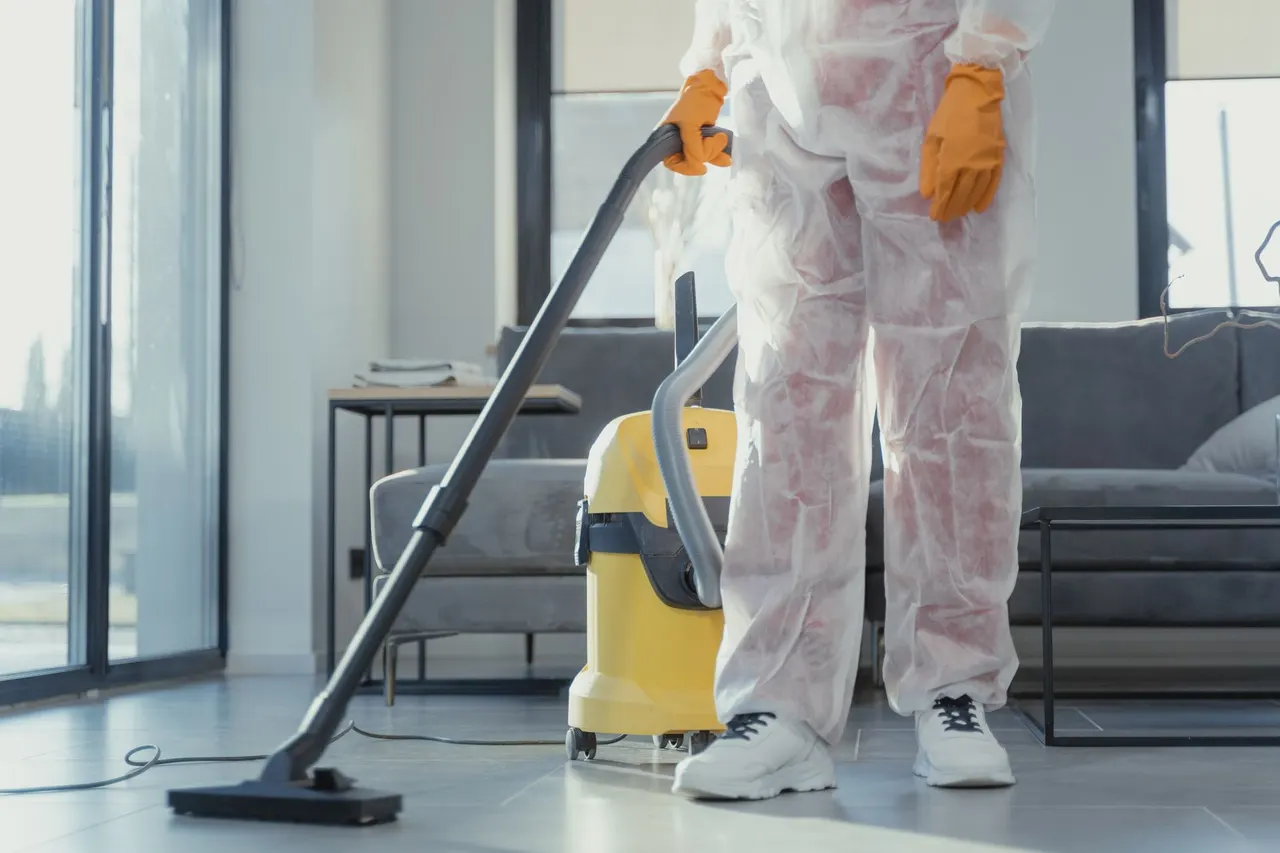
We handle attic mold in commercial buildings and rental properties. We minimize disruption and provide documentation for your records.
A plain-language look at what Attic Mold Remediation involves and when it is needed.
See how it worksAttic Mold Remediation Littleton CO is the controlled removal of fungal growth from roof sheathing, trusses, and insulation, followed by treatment that stops it from returning. We start with a moisture meter and thermal imaging camera to trace the water source, because mold without a water problem is just a cleanup waiting to happen again. Then we set up containment, run a negative air machine with a HEPA vacuum, and apply an antimicrobial spray to every affected surface. The work usually takes one to three days depending on square footage and how far the growth has spread.
Most Littleton attics we open have the same story: a roof leak or poor attic ventilation let warm, moist air condense on cold sheathing all winter. By spring, you have black mold on the wood and a musty odor drifting into bedrooms. If you have been searching for attic mold remediation near me Littleton, the fix is not just spraying bleach and hoping. We correct the humidity and airflow first, then remediate. That is why our callbacks are rare and why homeowners in Columbine and Ken Caryl keep our number.
Attic mold is a moisture problem first, a cleaning problem second.

Every job follows the same five steps, whether it is a 600-square-foot ranch in Heritage or a 3,000-square-foot two-story in Sterling Ranch. Here is exactly what happens from the first call to the final walkthrough.
We arrive, put on shoe covers, and head to the attic access. Using a moisture meter, hygrometer, and thermal imaging camera, we map every damp spot and visible growth. If needed, we take air samples or surface swabs for lab testing. You get a clear explanation of what we found and what it will take to fix it.
We lay down protective floor coverings and build a containment barrier around the affected area. A negative air machine with HEPA filtration pulls air out of the containment and exhausts it safely. This keeps spores from drifting into your living space while we work. Setup usually takes 30 to 45 minutes.
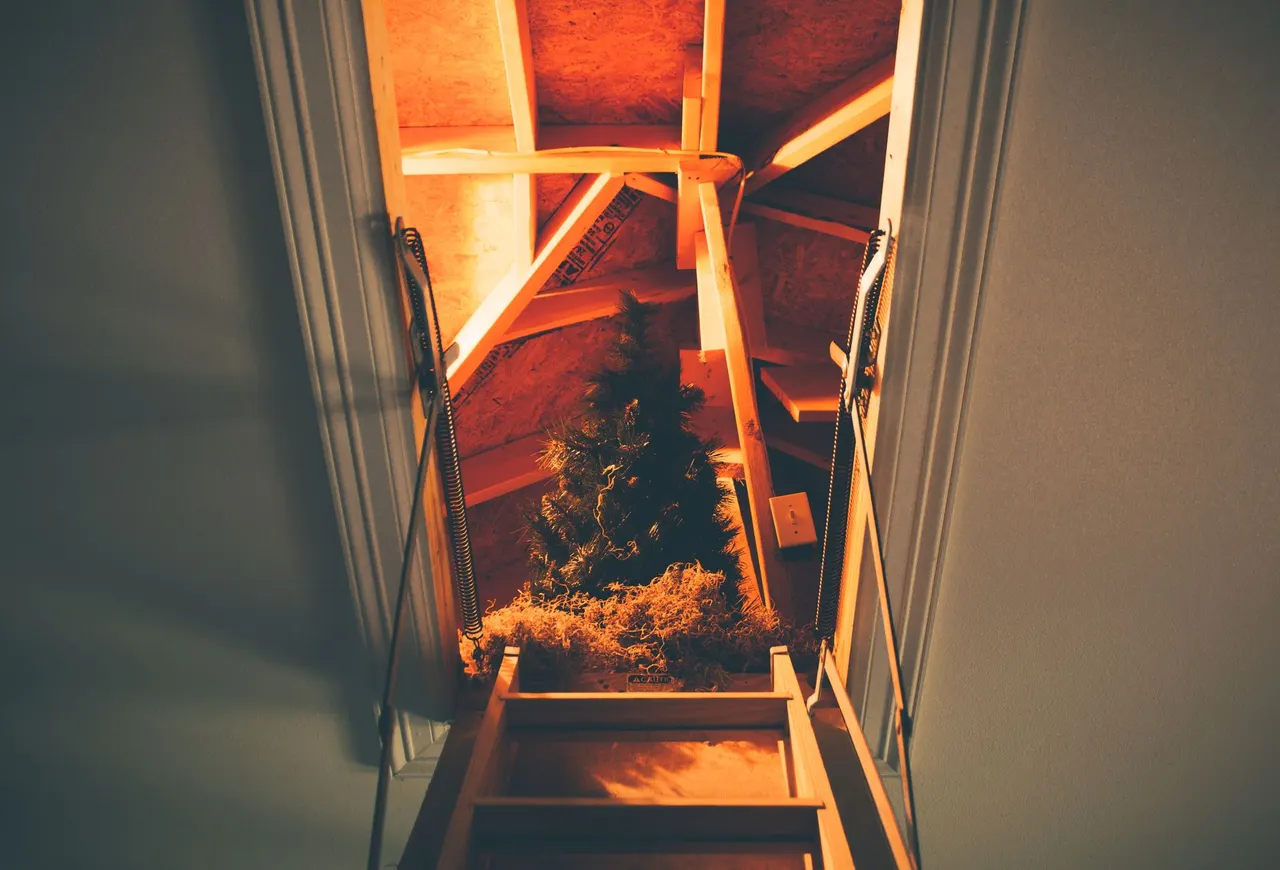
Technicians remove mold from wood sheathing, trusses, and any other affected surfaces using HEPA vacuums and hand tools. Contaminated insulation, whether fiberglass or cellulose, gets bagged and hauled out. We inspect ductwork and ventilation fans too, because mold often hides there. This is the dirtiest part of the job, and we keep it contained.
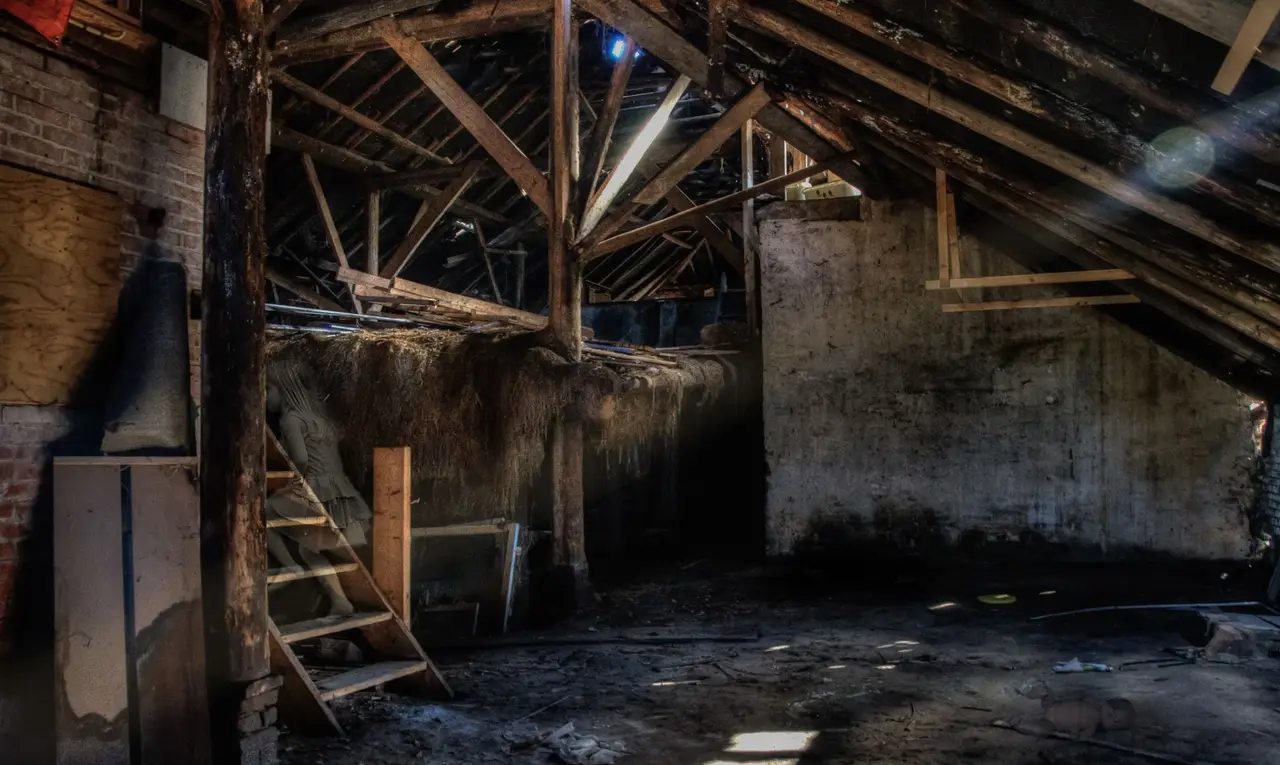
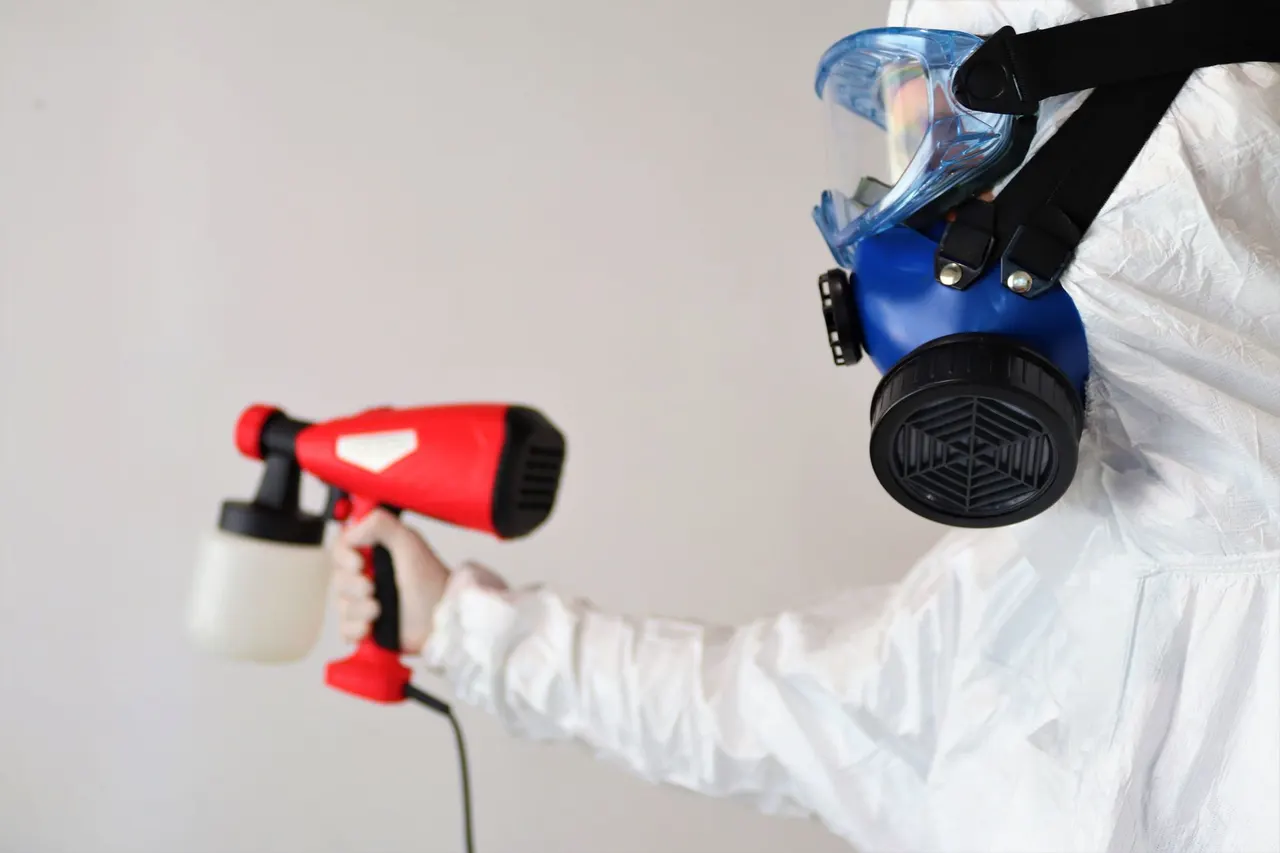
Once surfaces are clean, we apply an antimicrobial spray such as Concrobium or Benefect to the entire affected area. For heavy growth, we may use a fogger to reach tight corners around trusses and sheathing. We also sanitize ductwork if testing showed contamination. This step kills remaining spores and leaves the wood protected.
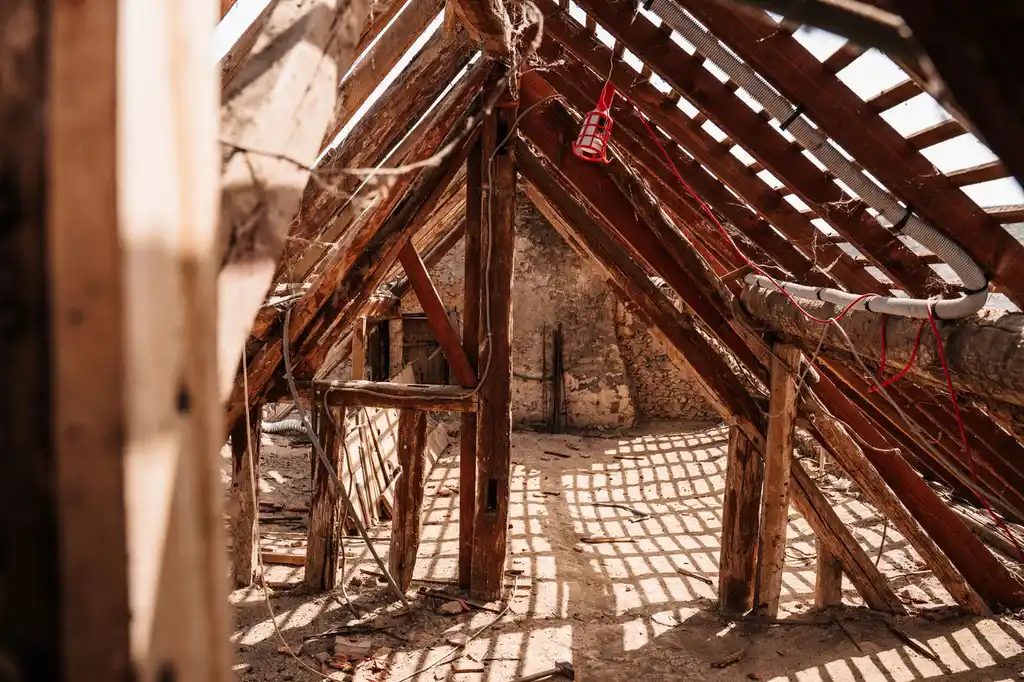
We do a final walkthrough with you, pointing out what was done and showing before-and-after photos. If you requested post-remediation testing, we schedule a third-party clearance test. We also give you a written summary and maintenance tips to keep moisture under control. The whole process typically wraps in one to three days.
Move across a circle, or focus it and press Enter, for an illustrative thermal view of the photograph.
Detects moisture levels in wood and insulation. Helps us find hidden leaks and damp areas before mold spreads.

Reveals temperature differences that indicate moisture behind walls or in sheathing. We use it to find leaks without tearing into surfaces.

Captures mold spores and debris with high-efficiency filtration. Essential for removing mold from surfaces without spreading spores.
Creates negative pressure in the containment area, preventing spores from escaping into your living space.
Filters and cleans the air during and after remediation. Removes airborne spores and odors.
Thermal views are illustrative, generated from the photographs.
Applies antimicrobial treatments in a fine mist, reaching tight spaces around trusses and sheathing.
Inspects inside ductwork and wall cavities without cutting into surfaces. Helps us find hidden mold growth.
We follow the IICRC S520 standard for mold remediation, which covers inspection, containment, removal, and clearance. This ensures a consistent, professional approach on every job.
We build containment barriers and use negative air machines to keep spores from spreading. This protects your living space and keeps the work area isolated.
After removal, we apply antimicrobial products like Concrobium or Benefect to affected surfaces. These products kill remaining spores and prevent regrowth.
We conduct a final walkthrough and, if requested, schedule third-party clearance testing. This verifies that the mold has been properly removed and the air is clean.
You see black mold on the roof sheathing after a winter leak.
We inspect the attic, find the leak, and repair it. Then we remove mold from the sheathing and treat the wood with antimicrobials. We also check insulation and ductwork for contamination.
Outcome: Your attic is mold-free and the leak is fixed. You get documentation for insurance if needed.
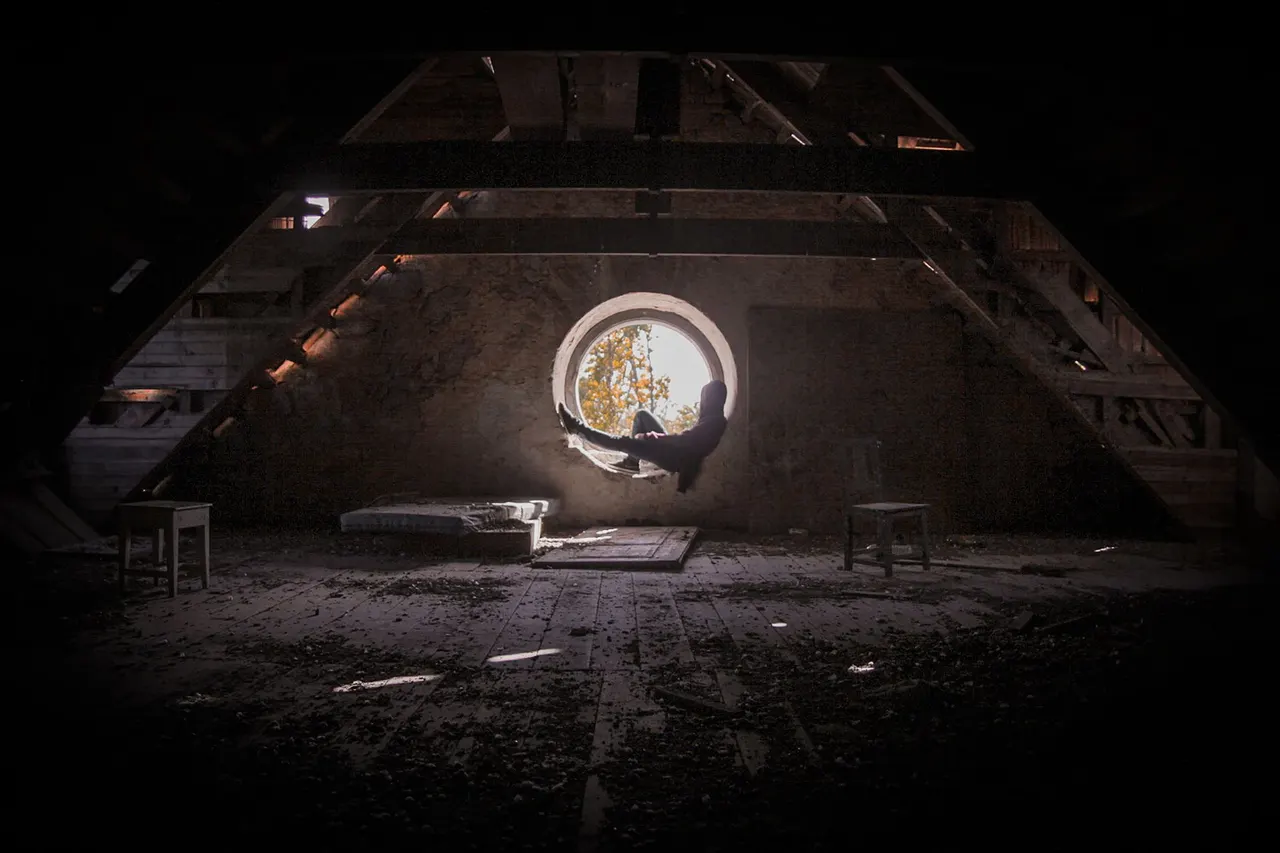
Your home inspection flags attic mold before a real estate closing.
We provide fast remediation and clear documentation for buyers, sellers, and lenders. We work around your closing timeline and provide a report showing the mold was properly addressed.
Outcome: The closing stays on track and the buyer has confidence in the home's condition.

You are a landlord with a tenant complaining of musty odors.
We inspect the attic, test for mold, and remediate as needed. We work around tenant schedules and provide reports for your records. We also advise on prevention to avoid repeat issues.
Outcome: You have documentation for your files.
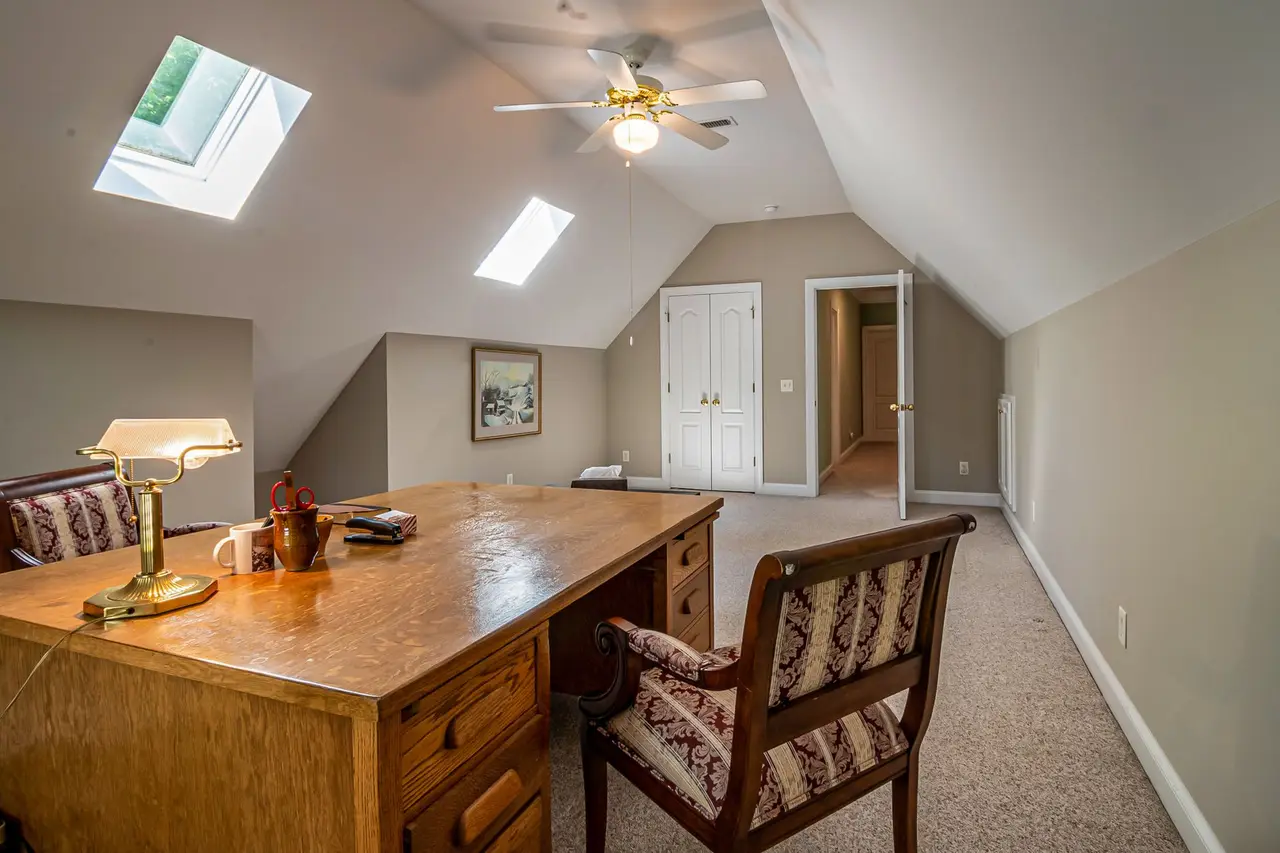
You notice musty odors in your home and suspect attic mold.
We inspect the attic with moisture meters and thermal cameras. If mold is found, we contain the area, remove the mold, and treat the surfaces. We also check for hidden moisture sources.
Outcome: The odors are gone and your indoor air quality improves. You get a clean attic and peace of mind.
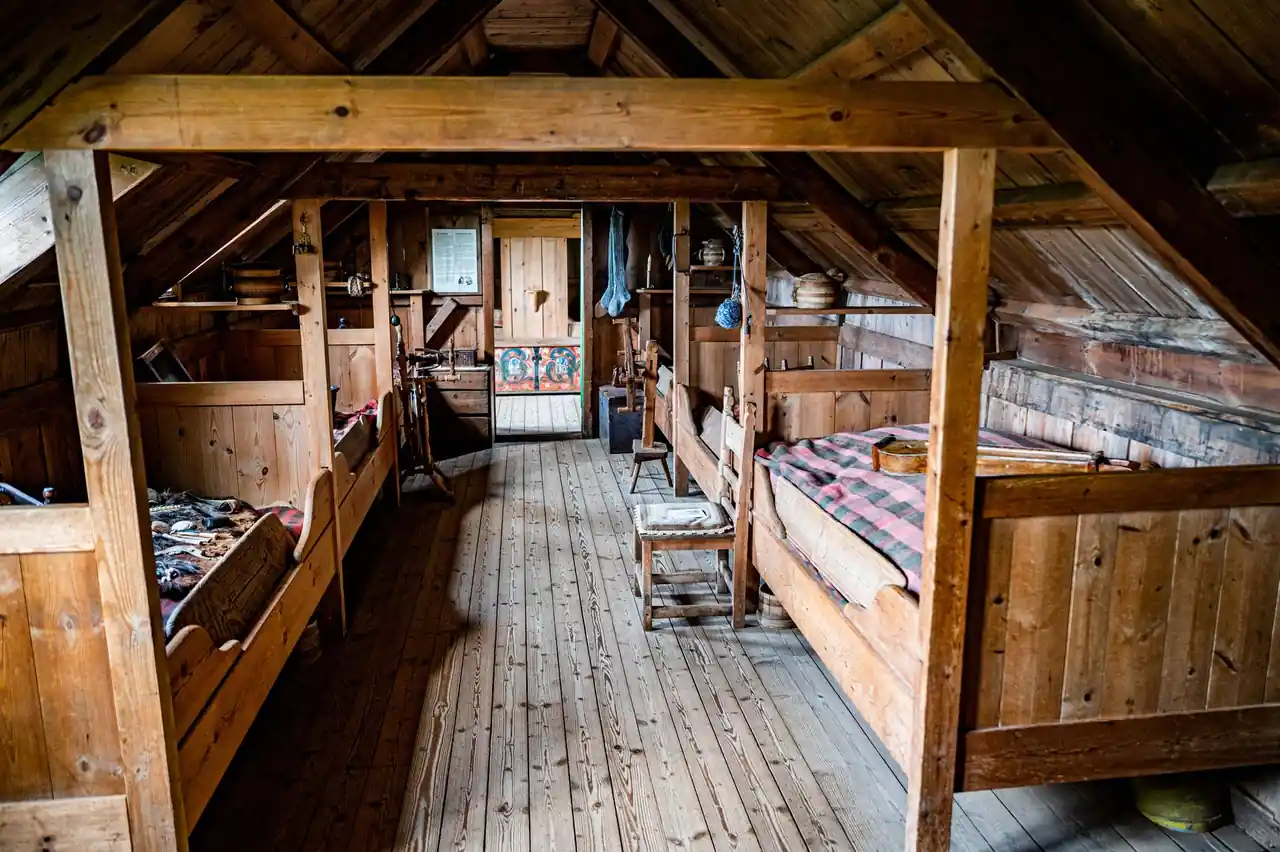
You have a rental property and need attic mold remediation for rental properties Littleton.
We specialize in rental property remediation. We work quickly to minimize vacancy time, provide documentation for your records, and advise on prevention. We also coordinate with property managers.
Outcome: Your rental is back on the market fast, with mold resolved and documentation in hand.
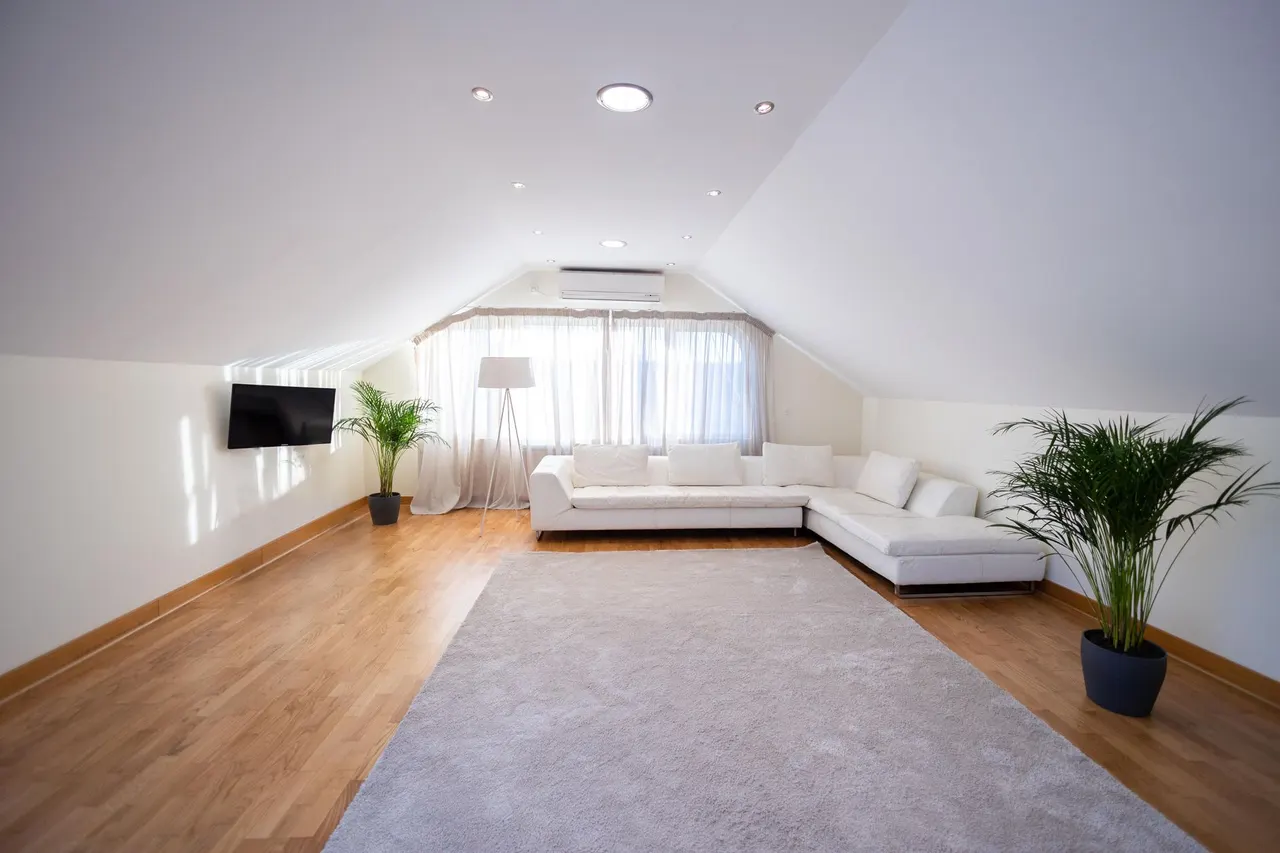
Littleton's climate creates specific mold challenges. Our dry summers and cold winters mean attics get very hot in July and very cold in January. When warm, moist air from the living space leaks into the attic, it condenses on the cold roof sheathing. That is where black mold starts.
Older homes in Historic Downtown and Heritage often have inadequate ventilation, while newer builds in Sterling Ranch and TrailMark are tightly sealed and trap moisture. We also see roof leaks after heavy snow or spring rain. As a professional attic mold remediation Littleton, Colorado company, we know how to fix these issues. We improve ventilation, seal air leaks, and repair roof leaks.
If you need attic mold remediation in Littleton CO near me, we are ready. We serve Arapahoe County and all local ZIP codes.
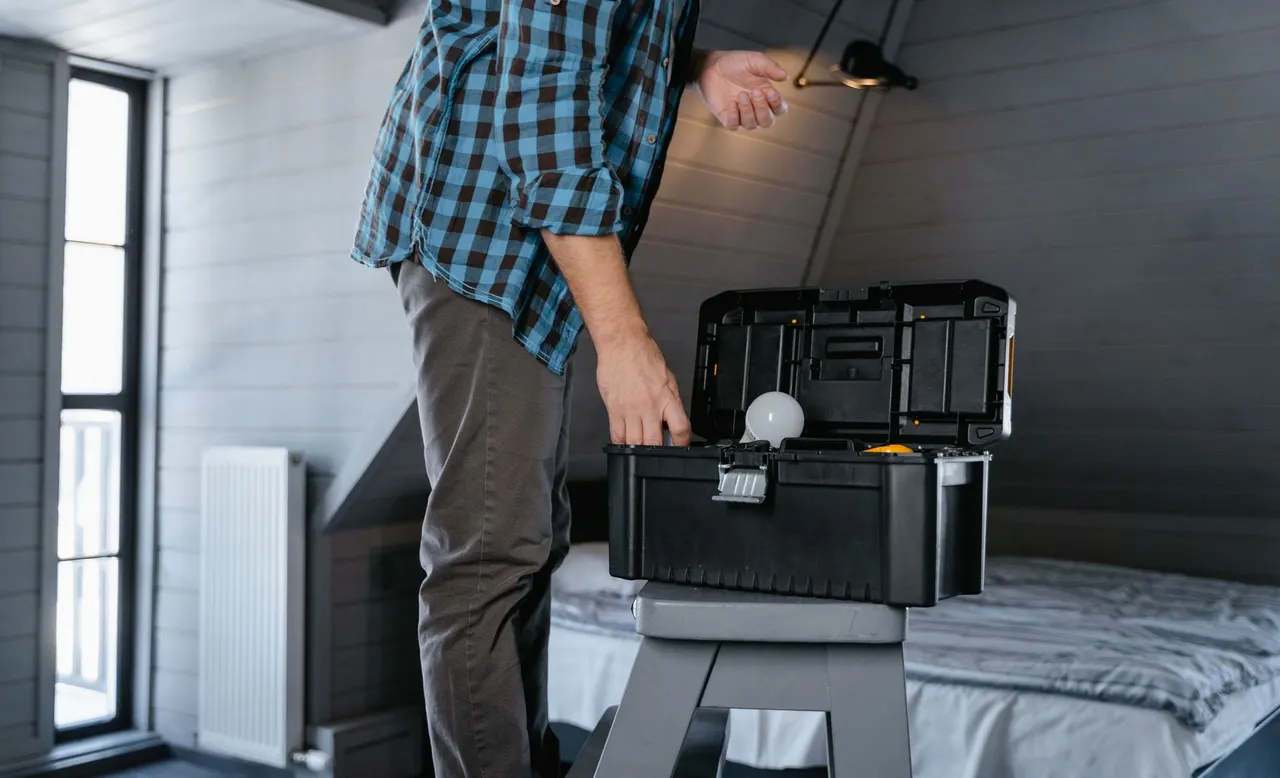
Before: A roof leak went unnoticed for months, soaking the sheathing and trusses. Black mold covered about 150 square feet of the attic. The homeowner noticed a musty smell in the hallway.
After: We repaired the leak, removed the mold, and treated all affected wood with antimicrobials. Post-remediation testing showed spore levels back to normal. The musty smell was gone within a week.
We recommended annual roof inspections and improved attic ventilation to prevent future leaks and condensation.
Before: A tightly built home had high humidity in the attic, causing condensation on the roof deck. Mold grew on the sheathing and trusses. The homeowner had allergies and noticed symptoms worsening.
After: We installed a balanced ventilation system, removed the mold, and treated the wood. Air quality testing showed a 90% reduction in mold spores. The homeowner's allergy symptoms improved.
We advised running the ventilation system continuously and checking humidity levels monthly.
Before: A landlord discovered mold in the attic after a tenant complained of musty odors. The mold covered about 100 square feet of sheathing and had spread to the insulation.
After: We removed the mold and contaminated insulation, treated the attic, and installed new insulation. The job took two days. The tenant renewed their lease after the fix.
We recommended annual attic inspections and prompt repair of any roof leaks.
Mold in the attic is a symptom of a moisture problem. We fix both. Here are the most common issues we see in Littleton homes and how we solve them.
A dry, mold-free attic and cleaner air inside your home.
We use a moisture meter and thermal imaging camera to pinpoint the exact leak or condensation point before we touch any mold. That means we fix the cause, not just the symptom. If your roof leak is active, we document it and coordinate the repair so the remediation actually holds.
We seal off the work area with plastic sheeting and run a negative air machine so spores do not migrate into your living space. Every technician wears proper PPE and follows IICRC guidelines. When we leave, your hallway and bedrooms are as clean as we found them.
After removal, we apply Concrobium or Benefect antimicrobial to the wood sheathing and trusses. These products penetrate the surface and stop regrowth. We also check fiberglass insulation and ductwork, because mold hides in both. If insulation is contaminated, we remove and replace it.
You get photos before, during, and after, plus a written summary of what we found and what we did. That paperwork matters for insurance claims, real estate transactions, and rental property records. We have helped dozens of Littleton landlords and sellers close deals without mold surprises.
What a written scope covers and what shapes it. Prices are set by the business after the first look.
Included
Depends on
Clear records you can keep and share.
Before, during, and after photos.
Written description of work performed.
Lab reports if testing was done.
How to prevent future mold.
Remediation fixes the moisture source; removal only takes mold off surfaces.
Light growth on a few boards.
Growth across sheathing and trusses.
Mold inside ducts or wall cavities.
A list like this tells people straight away whether you cover their street. Not listed? Call and ask: it only takes a minute.
Based in Littleton and covering the places around it. Pick one for local details.
Larger attics with widespread contamination and a ventilation fix push toward the higher end. We give you a written estimate after inspection, so you know the number before we start.
Removal is exactly what it sounds like: physically taking mold off surfaces. Remediation is the full process, which includes removal but also fixes the moisture source, contains the work area, treats the wood with antimicrobials, and verifies the result. If you only remove mold without fixing the water problem, it comes back. That is why we always remediate, not just remove.
Most jobs take one to three days. A small attic with limited growth can be done in a single day. Larger attics with heavy contamination, insulation replacement, or ductwork cleaning may take three days. If we need to coordinate a roof repair or ventilation install, we schedule that around the remediation. We give you a timeline at the start and keep you updated.
Mold remediation itself does not require a permit in Littleton. However, if we install new ventilation, repair roof sheathing, or replace insulation, those tasks may need a building permit depending on scope. We handle the paperwork when a permit is required and coordinate inspections. You do not have to chase down the city. We take care of it.
Other services from the same team.
If you have seen mold or smelled that musty odor, do not wait. We offer same-day inspections and honest pricing. Call PeakShield Attic Solutions at (720) 953-3834. We will find the source, remove the mold, and give you a dry, clean attic.
Call (720) 953-3834 or email us and we will schedule an attic inspection, usually within a day or two. We work Monday through Friday, 8am to 6pm, and we answer the phone ourselves. If you have a leak or storm damage, tell us and we will prioritize the call.