For homeowners
We inspect your attic and show you exactly what we find. You get photos, moisture readings, and a plain-English plan.
- Musty smell upstairs
- Dark staining on sheathing
- High humidity in attic
Attic Mold Inspection Littleton CO is a full top-to-bottom look at your roof sheathing, trusses, insulation, and ventilation. We use moisture meters, thermal imaging cameras, and boroscopes to find where water is getting in and where mold is already growing. If you smell something musty upstairs or you're buying a home in Arapahoe County, call us at (720) 953-3834.
 Moisture readingsThermal scanPhoto report
Every inspection covers the essentials: a full visual walk-through, moisture readings, thermal imaging, and a written report with photos. Lab testing and air quality sampling are available as add-ons if you need them for a real estate deal or insurance claim.
We inspect roof sheathing, trusses, insulation, ductwork, and ventilation fans. Every accessible area gets checked for visible growth, staining, and moisture damage. We photograph anything that looks suspicious.
A moisture meter tells us how wet the wood actually is. We take readings at multiple points across the sheathing and framing. Readings above 20% indicate active moisture that needs to be addressed.
A thermal imaging camera shows temperature differences that reveal hidden moisture and air leaks. Cold spots on sheathing often mean condensation is forming. This helps us find problems behind insulation.
We mark every area of visible growth and note the color, texture, and spread. A boroscope lets us look into tight framing bays. You get photos of everything we find.
We trace the water back to its source: roof leak, ventilation failure, bath fan venting into the attic, or ductwork leak. You get a plain-English explanation of what's causing the problem.
You receive a written summary with photos, moisture readings, and recommended next steps. If remediation is needed, we quote it. If it's a simple fix, we tell you that too.
The approach is the same for a home and a business. What changes is the access, the schedule and who needs the paperwork.
We inspect your attic and show you exactly what we find. You get photos, moisture readings, and a plain-English plan.
We inspect commercial attics and document everything for your records. Reports are formatted for insurance and tenant communication.
A plain-language look at what Attic Mold Inspection involves and when it is needed.
See how it worksAttic Mold Inspection Littleton CO is a documented evaluation of your attic's moisture, airflow, and surface conditions. We check roof sheathing, trusses, insulation, ductwork, and ventilation fans for signs of mold growth. We use a moisture meter, a hygrometer, and a thermal imaging camera to read what your eyes miss. Every inspection produces photos and a written summary you can use for a real estate deal, an insurance claim, or your own repair plan.
Most Littleton attics we open up have one of three problems: a slow roof leak, poor attic ventilation, or condensation from warm moist air hitting cold sheathing. Colorado's freeze-thaw cycles make all three worse. If you've noticed a musty odor upstairs or your energy bills climbed last winter, an attic mold assessment in Littleton CO is the fastest way to find out why. We see this constantly in homes built before 1990 and even in newer builds where bath fans vent into the attic instead of outside.
We find the moisture source, not just the mold.

Every job follows the same five steps. You'll know what we're doing, what we find, and what it costs before we start any work.
We ask what you've noticed: musty smell, visible dark staining, a roof leak, or a home inspection report. We schedule a visit, usually same-day or next-day for active leaks. You get a call or text when we're on the way.

We suit up and go in. We check roof sheathing, trusses, insulation, ductwork, and ventilation fans. A moisture meter and hygrometer tell us how wet the wood and air are. A thermal imaging camera shows cold spots where condensation is forming.

We mark every area of visible growth and note the color, texture, and spread. A boroscope lets us look behind insulation and into tight framing bays. We photograph everything so you see exactly what we see.

We trace the water back to its source: a failed roof flashing, a clogged soffit vent, a bath fan venting into the attic, or a ductwork leak. You get a plain-English explanation of what's causing the problem and what it takes to fix it.

You receive photos, a moisture map, and a written summary with recommended next steps. If remediation is needed, we quote it. If it's a simple ventilation fix, we tell you that too. No pressure either way.
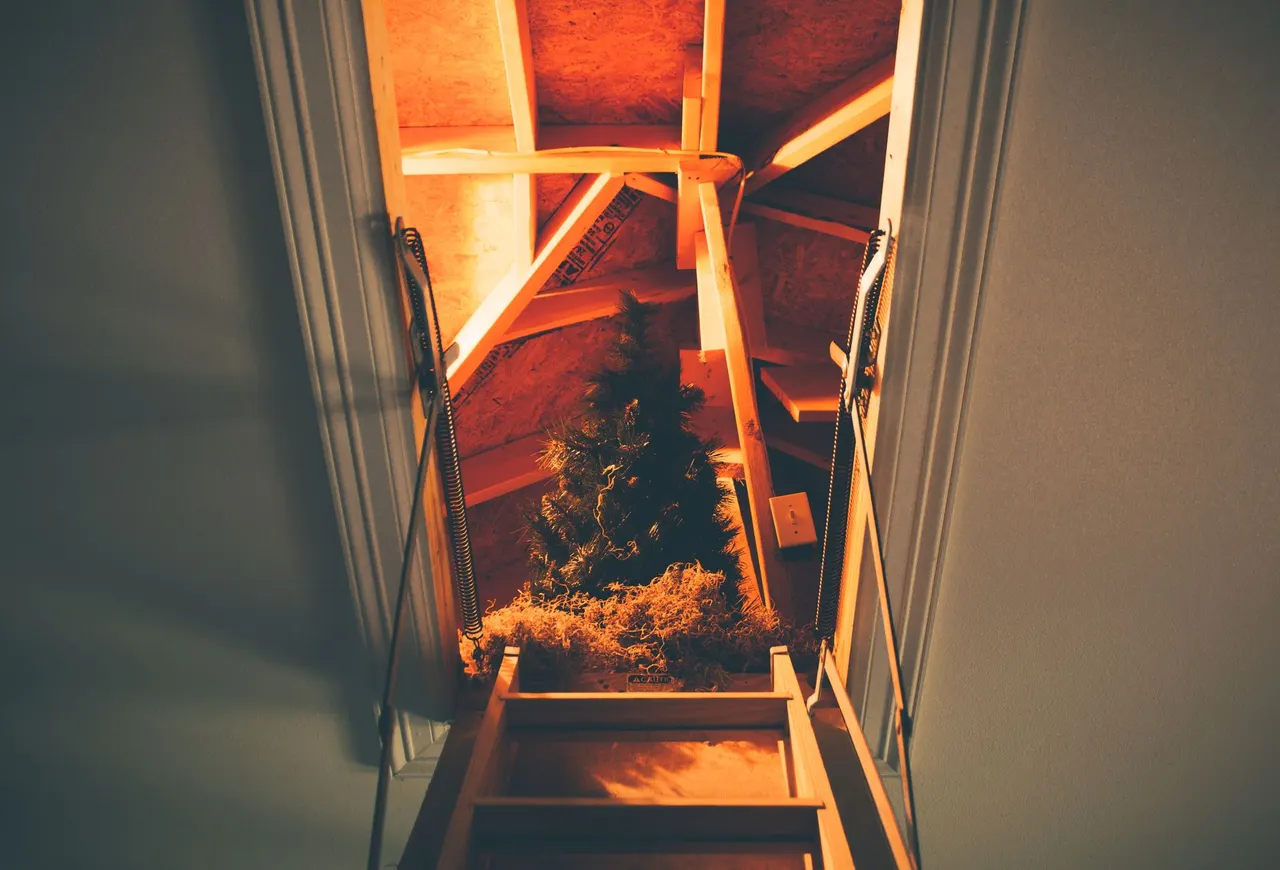
Move across a circle, or focus it and press Enter, for an illustrative thermal view of the photograph.
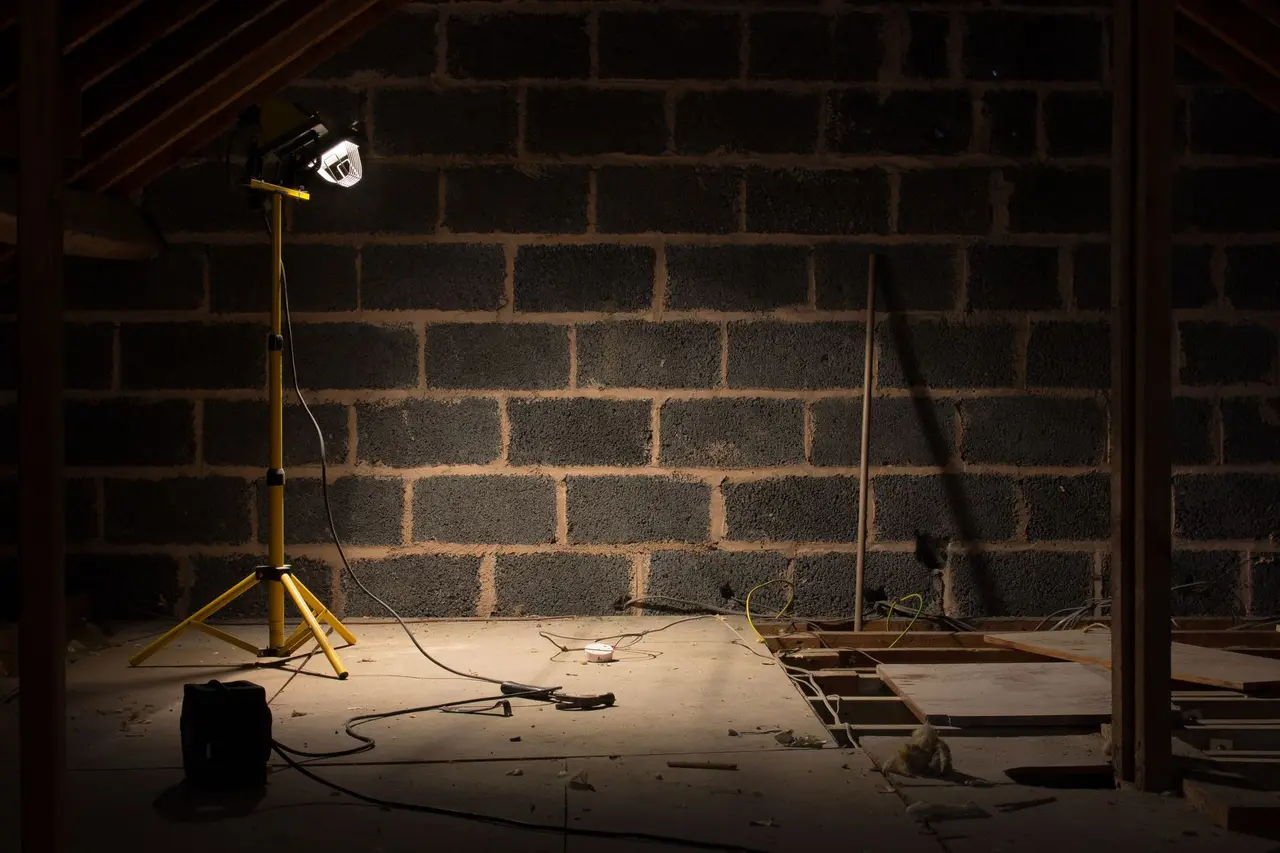
Measures how wet the wood actually is. Readings above 20% indicate active moisture that needs to be addressed.
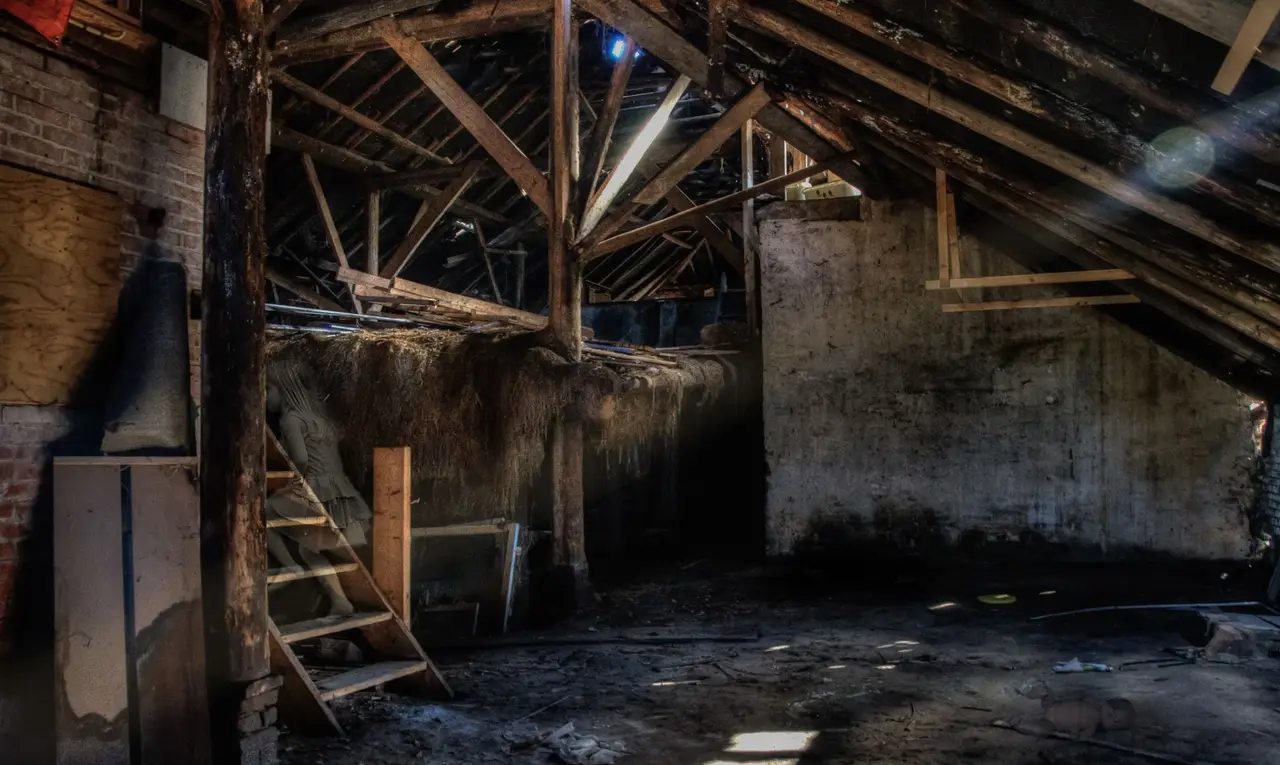
Shows temperature differences that reveal hidden moisture and air leaks. Cold spots on sheathing often mean condensation is forming.
Measures relative humidity in the attic. Levels above 60% create the perfect environment for mold growth.

Lets us look behind insulation and into tight framing bays where mold often hides.
Used during remediation to capture mold spores and prevent them from spreading to other parts of the home.
Thermal views are illustrative, generated from the photographs.
Filters airborne spores during remediation. Keeps the air clean while we work.
Applies antimicrobial products to attic surfaces after remediation. Reaches areas that are hard to spray by hand.
We follow IICRC standards for moisture inspection and documentation. That means calibrated tools, consistent readings, and reports that other professionals can rely on.
We scan the entire attic with a thermal imaging camera to find cold spots and hidden moisture. This helps us catch problems that aren't visible to the naked eye.
We take moisture readings at multiple points across the sheathing and framing. This gives us a map of where moisture is present and how severe it is.
Every inspection includes photos of the mold, moisture readings, and affected areas. You get a copy the same day, formatted for real estate or insurance use.

You're buying a home and the inspector flagged attic mold
We provide a professional attic mold inspection for home purchase Littleton buyers can use to negotiate. Our report documents the extent of the mold, the moisture source, and the cost to fix it. We can often complete the inspection within 24 hours so you don't lose your contingency window.
Outcome: You get a clear picture of what you're buying and a documented basis for negotiation. The seller knows exactly what needs to be fixed.

You smell something musty every time you go upstairs
We inspect the attic to find where the odor is coming from. A moisture meter and thermal imaging camera show us where mold is growing and what's feeding it. If we find growth, we map it and trace the moisture source.
Outcome: You know exactly what's causing the smell and what it takes to fix it. No more guessing, no more air fresheners.
You had a roof leak or hail damage last year and want to check for mold
We inspect the attic for moisture damage and mold growth. Even if the leak was repaired, moisture can linger in the wood and feed mold for months. We take moisture readings and thermal images to see what's happening inside the structure.
Outcome: You find out whether the leak caused hidden damage. If mold is present, we catch it early before it spreads.
Your energy bills went up and the upstairs feels humid
High humidity and rising energy bills often mean your attic ventilation isn't working. We inspect the attic, measure humidity levels, and check ventilation fans and ductwork. If ventilation is the problem, we recommend the fix.
Outcome: You get a clear answer on why your attic is humid and what it takes to fix it. Better ventilation can lower energy bills and prevent mold.

You're a landlord and a tenant reported a musty smell
We inspect the attic and provide a report you can share with your tenant and your insurance company. If remediation is needed, we can schedule it quickly to minimize disruption. Our documentation covers what we found and what we did.
Outcome: You address the problem fast and have the paperwork to show it was handled properly. Your tenant gets a healthier living space.
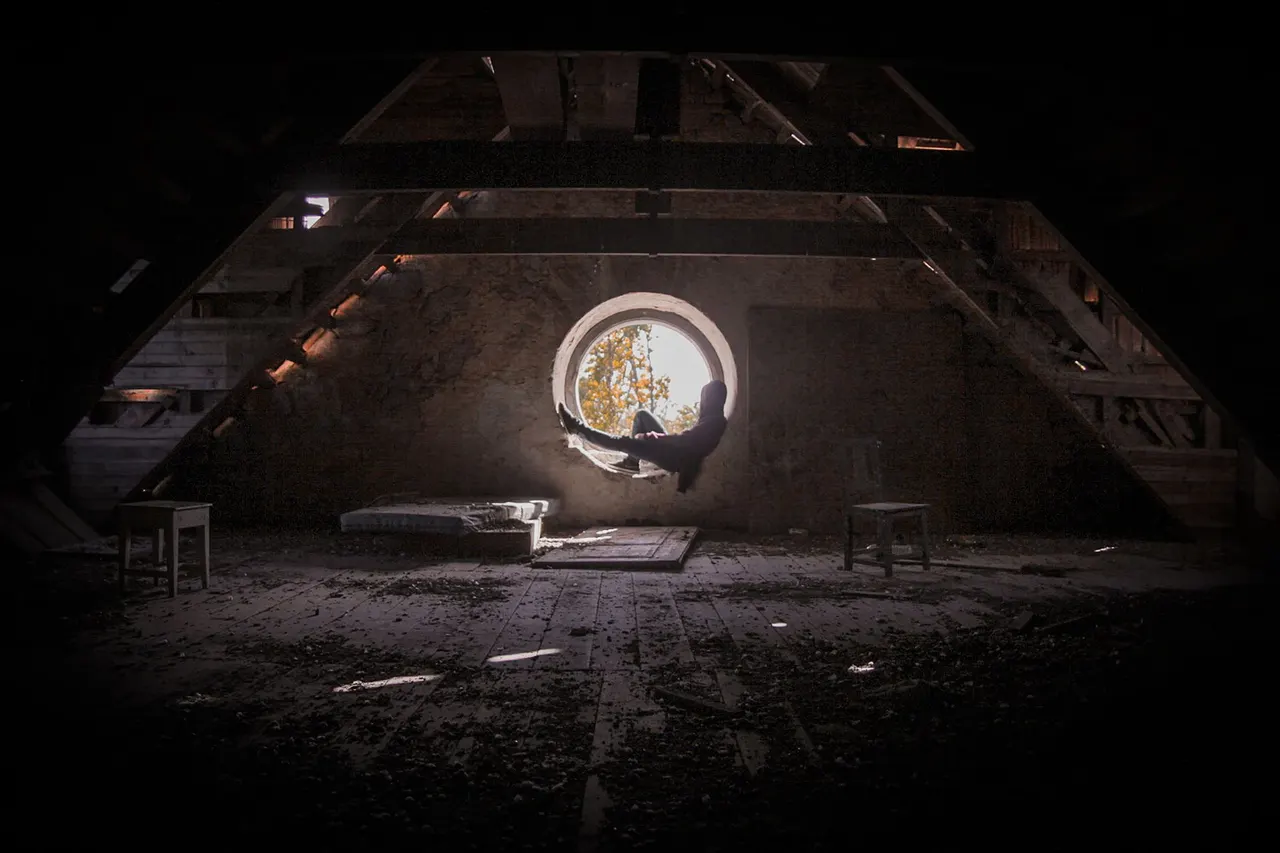
Littleton sits at the edge of the foothills, and that geography shapes what we find in attics. The freeze-thaw cycles here are brutal on roof sheathing. Warm moist air from the living space rises, hits cold sheathing, and condenses. Over a winter, that condensation feeds mold growth that you won't see until it's spread. We also see a lot of hail damage from spring and summer storms.
A cracked vent boot or damaged flashing lets water in slowly, and mold follows within a season. Older homes near Downtown Littleton and Historic Downtown Littleton often have bath fans venting straight into the attic, which pumps humidity into the space every time someone showers. Newer builds in TrailMark and Sterling Ranch usually have better ventilation, but we still find mold when roof leaks go unrepaired.
If you're searching for affordable attic mold assessment Littleton, Colorado homeowners can schedule fast, we cover ZIP codes 80120, 80122, 80123, 80128, 80160, and 80165. We know the building styles, the common failure points, and the moisture problems that come with them.

Before: A homeowner in Ken Caryl noticed a musty smell in the upstairs hallway. We inspected and found mold covering about 40 square feet of roof sheathing above the master bedroom. Moisture meter readings showed the wood was at 28% moisture content from a slow roof leak.
After: We repaired the roof leak, removed the mold, and treated the sheathing with antimicrobial spray. Post-remediation moisture readings were below 12%. The homeowner said the musty smell was gone within a week.
We recommended a roof inspection every fall and checking the attic after any major storm. Keeping the leak repaired is the key to preventing mold from returning.
Before: A 1950s ranch home near Downtown Littleton had a bath fan venting directly into the attic. Humidity readings were at 72%, and mold was growing on the sheathing above the bathroom. The homeowner had no idea the fan was the problem.
After: We rerouted the bath fan to vent outside, installed a new ventilation fan, and removed the mold from the sheathing. Humidity dropped to 48% within two weeks. The homeowner noticed the upstairs felt less humid.
We recommended running the bath fan for 15 minutes after every shower and checking the vent pipe annually to make sure it's still connected.
Before: After a hailstorm, a homeowner in Sterling Ranch noticed dark staining on the attic ceiling. We inspected and found mold on two trusses and about 20 square feet of sheathing. The hail had damaged a roof vent, letting water in slowly for months.
After: We repaired the roof vent, removed the mold from the trusses and sheathing, and treated the affected areas. Post-remediation air quality testing showed spore counts back to normal levels. The homeowner filed an insurance claim with our documentation.
We recommended scheduling a roof inspection after every major hail event and checking the attic for staining each spring.
Most attic mold in Littleton comes down to one of these issues. Here's what we see and how we handle it.
You get a clear answer and a documented plan.
Mold doesn't grow without moisture. We track down the roof leak, the blocked soffit vent, or the bath fan dumping humid air into the attic. Fixing the source before any cleanup is the only way to keep mold from coming back next season.
Attic mold shows up in home inspections and kills deals. A professional attic mold inspection Littleton, Colorado buyers can trust gives you documentation that the issue was found and addressed. That paperwork matters at closing.
Mold spores and musty odors travel through ductwork and ceiling gaps into bedrooms. Once we identify the growth and the moisture feeding it, we can stop the odor at the source instead of masking it with air fresheners.
A small patch of sheathing mold caught early is a straightforward fix. Let it run for two more winters and you're looking at rotted trusses, ruined insulation, and a much larger bill. Inspection is the cheap part.
What a written scope covers and what shapes it. Prices are set by the business after the first look.
Included
Depends on
Clear records you can keep and share.
Photos of mold and moisture readings
Readings across sheathing and framing
Findings and recommended next steps
What's causing the moisture problem
Not all attic mold is the same. Here's how we categorize what we see.
Growth on the surface of wood or insulation
Growth that has soaked into the wood
Spores circulating in the attic air
A list like this tells people straight away whether you cover their street. Not listed? Call and ask: it only takes a minute.
Based in Littleton and covering the places around it. Pick one for local details.
A basic visual inspection with moisture readings sits at the lower end. If you add air quality testing or lab analysis of a sample, expect the higher end. We quote the price before we schedule, and there's no charge for the phone consultation.
An attic mold assessment in Littleton includes a full visual inspection of sheathing, trusses, insulation, and ductwork, moisture meter and hygrometer readings, thermal imaging to find cold spots, and a written report with photos. If we find growth, we map it and trace the moisture source. You get a recommended plan the same day.
Every two to three years is a good baseline for most Littleton homes. Check sooner if you've had a roof leak, hail damage, or a bathroom fan stop working. If you smell something musty in the summer or your upstairs feels humid, don't wait. Colorado's freeze-thaw cycles can push water into the attic for months before you notice.
You can look for visible dark staining and sniff for musty odors, but you can't read moisture content or see behind insulation without tools. A moisture meter and thermal imaging camera show what's happening inside the wood and air.
Other services from the same team.
If you smell something musty or you're buying a home in Arapahoe County, don't guess. Call PeakShield Attic Solutions at (720) 953-3834 and we'll get an inspector out to your Littleton home. Same-day appointments available when our schedule allows.
Call (720) 953-3834 or email us and we will schedule an attic inspection, usually within a day or two. We work Monday through Friday, 8am to 6pm, and we answer the phone ourselves. If you have a leak or storm damage, tell us and we will prioritize the call.