Attic Mold Removal for Insurance Claims in Littleton
Attic Mold Removal for Insurance Claims in Littleton is what we do when a roof leak, storm, or burst pipe leaves mold growing on your sheathing and trusses. We inspect with thermal imaging and moisture meters, write the scope your adjuster needs, then remove the mold and restore the attic. If you are searching for insurance claim attic mold remediation in Littleton CO, call (720) 953-3834 and we will walk your attic the same day.
What Is Included in Attic Mold Removal for Insurance Claims
Every insurance claim job includes the inspection, documentation, containment, removal, antimicrobial treatment, and a final verification. Some items like structural repairs or roof leak fixes may be separate line items depending on your policy.
Full Attic Inspection
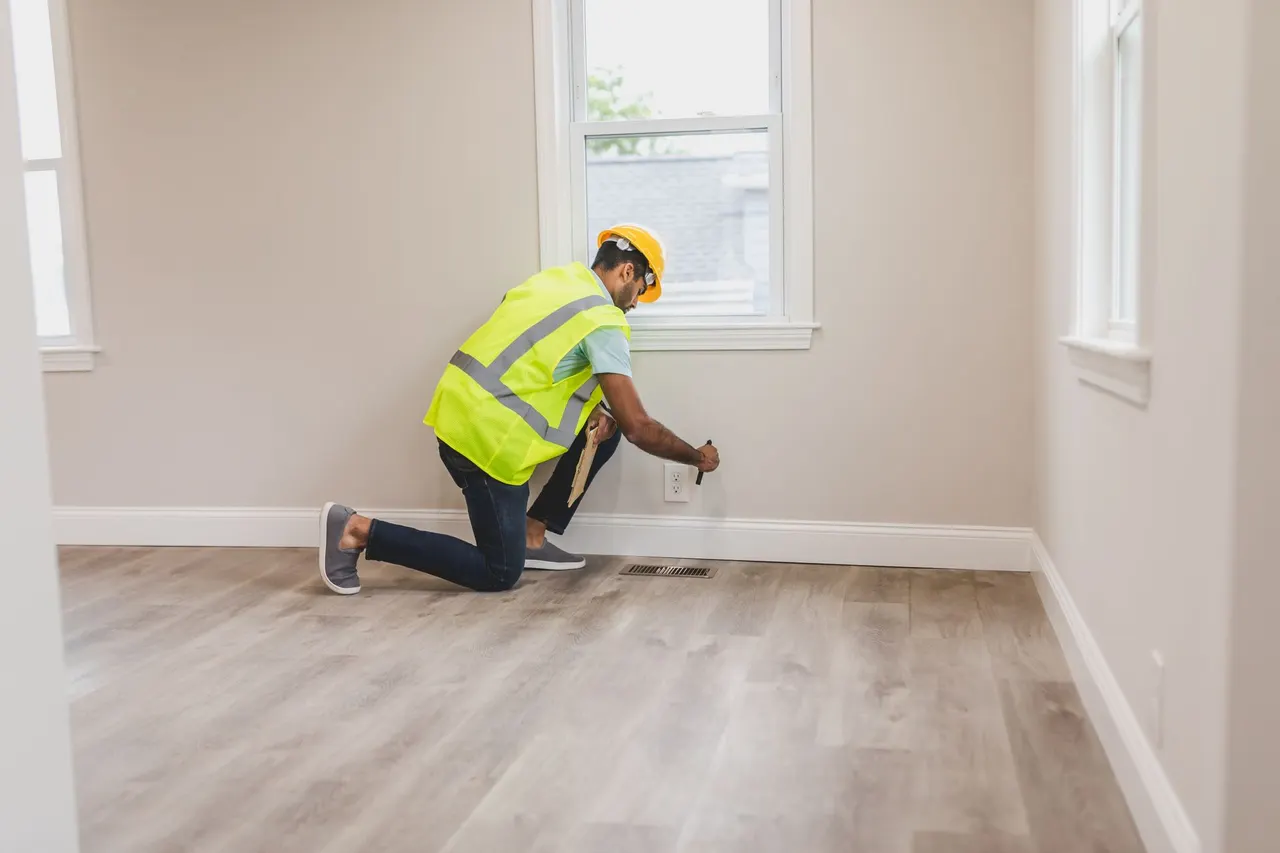
We walk the attic with a moisture meter, thermal imaging camera, and boroscope to map the mold and find the water source. You get photos, moisture readings, and a written summary for your insurance claim.
Insurance Documentation
We write a line-item scope in the format adjusters expect, including containment, removal, antimicrobial treatment, and insulation replacement. We send it to your adjuster or give it to you to submit.
Containment and HEPA Vacuuming
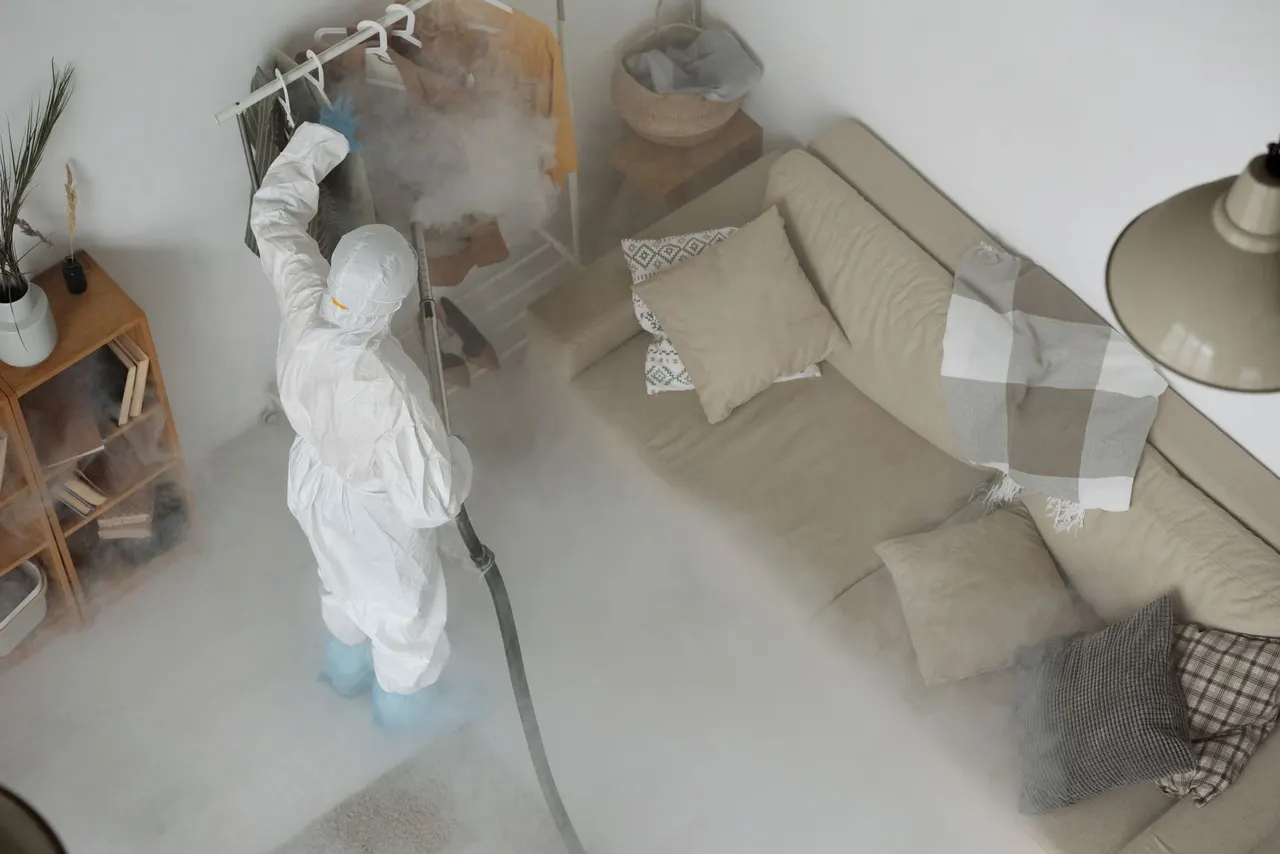
We set up plastic containment and run a negative air machine to keep spores out of your living space. All surfaces get HEPA vacuumed before and after removal. This is standard on every insurance claim job.
Mold Removal and Antimicrobial Treatment
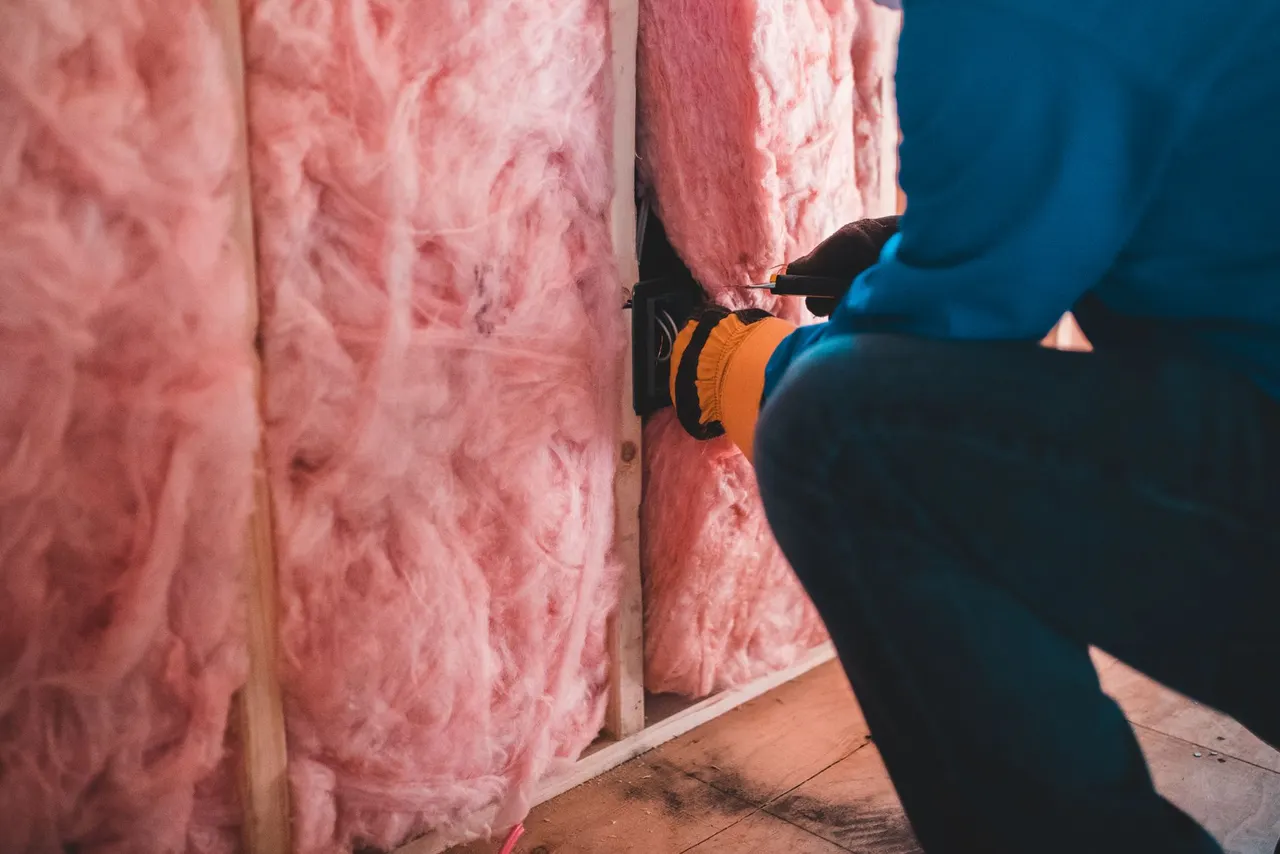
We remove mold-damaged insulation and treat wood sheathing and trusses with EPA-registered antimicrobials like Concrobium and Benefect. This stops remaining spores from regrowing and is a documented line item in your claim.
Verification and Clearance Documentation
We do a final walk-through with a moisture meter and hygrometer to confirm the attic is dry. You get before-and-after photos and a written clearance summary for your insurance company and your records.
Prevention Recommendations
We identify the moisture source and recommend fixes: roof leak repair, ventilation fan replacement, or added attic ventilation. Fixing the cause is what keeps the mold from coming back and prevents a second claim.
Homes and businesses.
The approach is the same for a home and a business. What changes is the access, the schedule and who needs the paperwork.
For Homes
We work in occupied homes every day and keep the attic contained so your living space stays clean. You get a walk-through before we start and a summary when we finish.
Roof leak staining on sheathing
Musty odors in upstairs rooms
Condensation on attic trusses
For Properties
We work with property managers and owners on rental units, multi-family buildings, and commercial spaces. Documentation is written for adjusters and kept for your records.
Tenant reports of musty odors
Storm damage on roof penetrations
Ductwork mold in shared systems
Attic Mold Removal for Insurance Claims in Littleton
A plain-language look at what Attic Mold Removal for Insurance Claims involves and when it is needed.
Attic Mold Removal for Insurance Claims in Littleton is the process of documenting mold damage, removing the affected materials, and getting the work paid for by your homeowner policy. It is not just spraying bleach and hoping. We set up containment, run a negative air machine with a HEPA vacuum, treat wood sheathing and trusses with an antimicrobial, and replace insulation that has been soaked. Every step is photographed and logged so your adjuster sees exactly what happened and why it needs fixing.
Littleton homes take a beating from hail, wind-driven rain, and freeze-thaw cycles that push water through roof penetrations. A small roof leak in November can be a full-blown mold colony by spring. If you are looking for attic mold removal for insurance claims near me Littleton, we handle the inspection, the paperwork, and the remediation so you are not stuck in the middle. We also treat the cause, because mold comes back if the moisture does.
Attic mold claims move faster when the moisture source and the affected area are documented before work begins.
What it is
Documented removal of attic mold tied to a covered peril, with a scope written for your insurance adjuster.
When you need it
When a roof leak, storm, or ventilation failure leaves mold on sheathing, trusses, or insulation.
What to expect
An inspection, a written scope, containment, removal, antimicrobial treatment, and a final verification.
How Our Insurance Claim Process Works
Every attic mold claim follows the same five steps. We handle the inspection, the documentation, the remediation, and the communication with your adjuster so you are not chasing paperwork.
Inspection and Documentation
We walk your attic with a moisture meter, thermal imaging camera, and boroscope to map the mold and find the water source. We photograph affected sheathing, trusses, and insulation, and note the square footage. This takes about 60 to 90 minutes and gives your adjuster everything they need to approve the claim.
Moisture map
Photo log
Scope notes
Scope of Work and Claim Filing
We write a line-item scope that matches insurance industry standards, including containment, removal, antimicrobial treatment, and insulation replacement. You submit it with your claim, or we send it directly to your adjuster. Most claims get a response within 5 to 10 business days.
Line items
Adjuster review
Approval
Containment and Remediation
Once approved, we set up plastic containment and run a negative air machine to keep spores out of your living space. We HEPA vacuum all surfaces, remove mold-damaged insulation, and treat wood sheathing and trusses with an antimicrobial spray. Most attics take one to three days.
Containment
HEPA vacuum
Antimicrobial
Verification and Clearance
We do a final walk-through with a moisture meter and hygrometer to confirm the attic is dry and the mold is gone. You get before-and-after photos and a written summary you can hand to your insurance company or a future buyer. If anything is still wet, we do not close the job.
Dry check
Photo report
Summary
Prevention and Repair
We fix or recommend fixes for the moisture source: roof leak repair, ventilation fan replacement, or added attic ventilation. We can also replace mold-damaged insulation with mold-resistant drywall or new fiberglass insulation. This is the step that keeps the mold from coming back.
Leak fix
Ventilation
Insulation
Tools and Methods We Use
Move across a circle, or focus it and press Enter, for an illustrative thermal view of the photograph.
Thermal Imaging Camera
We use thermal imaging to find hidden moisture behind sheathing and trusses, and to map the extent of the mold without tearing into walls. This is a standard part of every insurance claim inspection.
Moisture Meter and Hygrometer
We take moisture readings on wood and insulation, and measure attic humidity. These numbers go into your insurance documentation and are used to verify the attic is dry after remediation.
Negative Air Machine and Air Scrubber
We run a negative air machine to keep spores contained during removal, and an air scrubber to filter the air. This is required on every insurance claim job to protect your living space.
HEPA Vacuum
We HEPA vacuum all surfaces before and after removal to capture spores that would otherwise spread. This is a documented step in your insurance scope and a key part of a complete remediation.
Fogger and Boroscope
We use a fogger to apply antimicrobial to hard-to-reach areas, and a boroscope to inspect inside wall cavities and ductwork. Both are standard on insurance claim jobs where mold has spread.
Thermal views are illustrative, generated from the photographs.
Methods
Concrobium and Benefect
We use EPA-registered antimicrobials like Concrobium and Benefect to treat wood sheathing and trusses. These are documented line items in your insurance claim and stop remaining spores from regrowing.
Fiberlock and RMR-86
For heavy mold staining on wood, we use Fiberlock and RMR-86 to treat and seal the surface. These are professional-grade products that go beyond what you can buy at a hardware store.
IICRC Remediation Standards
We follow IICRC standards for mold remediation, including containment, negative air, HEPA vacuuming, and antimicrobial treatment. This is the standard your insurance adjuster expects to see in the scope of work.
Containment and Negative Air
We set up plastic containment around the work area and run a negative air machine to keep spores from spreading into your living space. This is required on every insurance claim job and is a documented line item in your scope.
Moisture Mapping and Documentation
We map moisture with a thermal imaging camera and moisture meter, then document everything with photos and readings. This is what gets your insurance claim approved and what protects you if you sell your home later.
Antimicrobial Treatment
We treat all affected wood surfaces with EPA-registered antimicrobials like Concrobium and Benefect. This stops remaining spores from regrowing and is a standard line item in your insurance scope.
When to Call for Attic Mold Removal for Insurance Claims
Roof leak mold
You had a roof leak last winter and now see dark staining on attic sheathing
We inspect with thermal imaging and moisture meters, document the mold and the water source, and write the scope for your insurance claim. We contain the area, remove mold-damaged materials, and treat the wood with antimicrobial.
Outcome: Your insurance claim gets approved with proper documentation, the mold is removed, and the attic is dry and verified. Most jobs take one to three days.
Inspection finding
A home inspector flagged attic mold during a real estate transaction
We inspect, write the scope, remediate, and provide before-and-after photos and a clearance summary. We can often complete the work within the inspection contingency window.
Outcome: The buyer gets the documentation they need, the sale closes on time, and you have proof the mold was handled correctly for your records.
Musty odors
You smell musty odors in your living space and suspect attic mold
We inspect the attic with a boroscope and thermal imaging camera to find the mold and the moisture source. We document everything for your insurance claim and remediate the attic, including ductwork if needed.
Outcome: The musty odor is gone, air quality is verified with testing, and you have documentation for your insurance company. Most jobs take one to three days.
Storm leak
A storm damaged your roof and water is actively leaking into the attic
We offer same-day containment and emergency remediation for active leaks. We start the work immediately, document the damage for your insurance claim, and handle the paperwork in parallel so you are not waiting.
Outcome: The leak is contained, the mold is removed, and your insurance claim is documented from day one. We coordinate with your adjuster to get the work approved.
Rental unit
Your tenant reported mold in a rental property attic
We document the mold for your insurance claim, remediate the attic, and keep you updated throughout the process. We work with your adjuster and provide all the documentation you need for your records.
Outcome: We also recommend prevention fixes to avoid a repeat.
Ken CarylColumbineSterling Ranch
How Attic Mold Removal for Insurance Claims Runs in Littleton
Littleton sits in Arapahoe County where hail, wind-driven rain, and freeze-thaw cycles push water through roof penetrations all year. That means attic mold is common, and it is often tied to a specific storm event your insurance policy covers.
We know the building stock here: 1970s ranches in Columbine and Ken Caryl with original ventilation, newer builds in Sterling Ranch with tight envelopes that trap moisture, and everything in between. If you are looking for affordable insurance claim attic mold remediation Littleton, Colorado homeowners can trust, we deliver the documentation and the work.
We also handle attic mold removal for insurance claims for storm damage Littleton and water damage claims, and we know what adjusters in this area expect to see. Most jobs in Littleton take one to three days on-site, with insurance approval adding 5 to 10 business days.
Ken Caryl: Many homes here have original attic ventilation that no longer meets code. We see condensation mold on sheathing in winter and document it for insurance claims regularly.
Columbine: 1970s ranches with fiberglass insulation that holds moisture after roof leaks. We remove mold-damaged insulation and replace it as part of the insurance scope.
Sterling Ranch: Newer, tightly built homes that trap moisture.
Historic Downtown Littleton: Older homes with complex rooflines and limited attic access. We use boroscopes and thermal imaging to inspect without tearing into finished spaces.
Roxborough Park: Homes near the foothills get more wind-driven rain and hail. We see roof leak mold claims here after every major storm and document them for insurance.
Freeze-thaw cycles in winter: Water expands and contracts, opening small roof penetrations that leak into the attic. Mold can start growing within weeks, and it often traces back to a specific freeze event your insurance covers.
IllustrativeThe thermal view is generated from the photograph. It is not a measurement. Drag the handle, or use the arrow keys once it is focused.
Roof Leak Mold in Ken Caryl
Before: A roof leak from a spring hailstorm soaked the sheathing in a Ken Caryl attic. Within six weeks, black mold covered about 200 square feet of sheathing and trusses. The insulation was saturated, and the homeowner noticed musty odors in the hallway below.
After: We documented the mold and the water source for the insurance claim, contained the area, removed the mold-damaged insulation, and treated the wood with antimicrobial. The attic was dry and verified within three days. The insurance claim covered remediation and insulation replacement.
We recommended a roof repair and added ridge ventilation to prevent condensation. The homeowner checks the attic twice a year and has had no recurrence.
Condensation Mold in Columbine
Before: A 1975 ranch in Columbine had poor attic ventilation and condensation mold on the north-facing sheathing. The mold had been growing for at least two seasons and covered about 150 square feet. The homeowner had allergy symptoms and musty odors in the bedrooms.
After: We documented the mold for the insurance claim, remediated the attic, and replaced the mold-damaged insulation. We also installed additional soffit vents and a powered ventilation fan. Air quality testing after remediation showed no elevated spore counts.
The homeowner runs the ventilation fan year-round and checks humidity levels in winter. Two years later, the attic is still dry and mold-free.
Storm Damage Mold in Roxborough Park
Before: A wind-driven rainstorm in Roxborough Park forced water through a roof vent and into the attic. Mold grew on the sheathing and trusses within a month. The homeowner filed an insurance claim but the adjuster needed more documentation before approving remediation.
After: We inspected with thermal imaging, documented the mold and the storm damage, and wrote a line-item scope for the insurance claim. The adjuster approved it within a week. We remediated the attic in two days and replaced the damaged insulation.
We repaired the roof vent and recommended annual roof inspections before storm season. The homeowner has had no further leaks or mold issues.
Attic Mold Problems We Solve for Littleton Homeowners
Attic mold does not fix itself. The longer it sits, the more it spreads and the more it costs. Here are the most common problems we see in Littleton attics and how we solve them.
Roof leak moldRoof leak causing mold on sheathing and trussesWater-soaked wood feeds mold colonies that spread across the entire attic within weeks. Insulation gets saturated, and spores start migrating into living spaces through ductwork and ventilation fans. We find the leak with thermal imaging, document the mold for your insurance claim, contain the area, remove mold-damaged materials, and treat the wood with antimicrobial. We also repair or recommend repair for the leak so it does not happen again.
Poor ventilationPoor attic ventilation causing condensation and moldWithout proper ventilation, warm moist air from your living space condenses on cold roof sheathing in winter. That condensation feeds mold all season long, and it comes back every year until the ventilation is fixed. We document the mold for your insurance claim and remediate the attic. Then we install or recommend ridge vents, soffit vents, or powered ventilation fans to keep air moving and moisture out. Fixing ventilation is the permanent fix.
Failed fanFailed ventilation fan spreading mold sporesA broken or undersized ventilation fan lets moist air sit in the attic, feeding mold. Worse, the fan can spread spores into your living space, causing musty odors and allergy symptoms for your family. We test the fan, document the mold for your claim, and remediate the attic. We replace the fan with a properly sized unit and verify airflow. This stops the moisture source and keeps spores out of your living space.
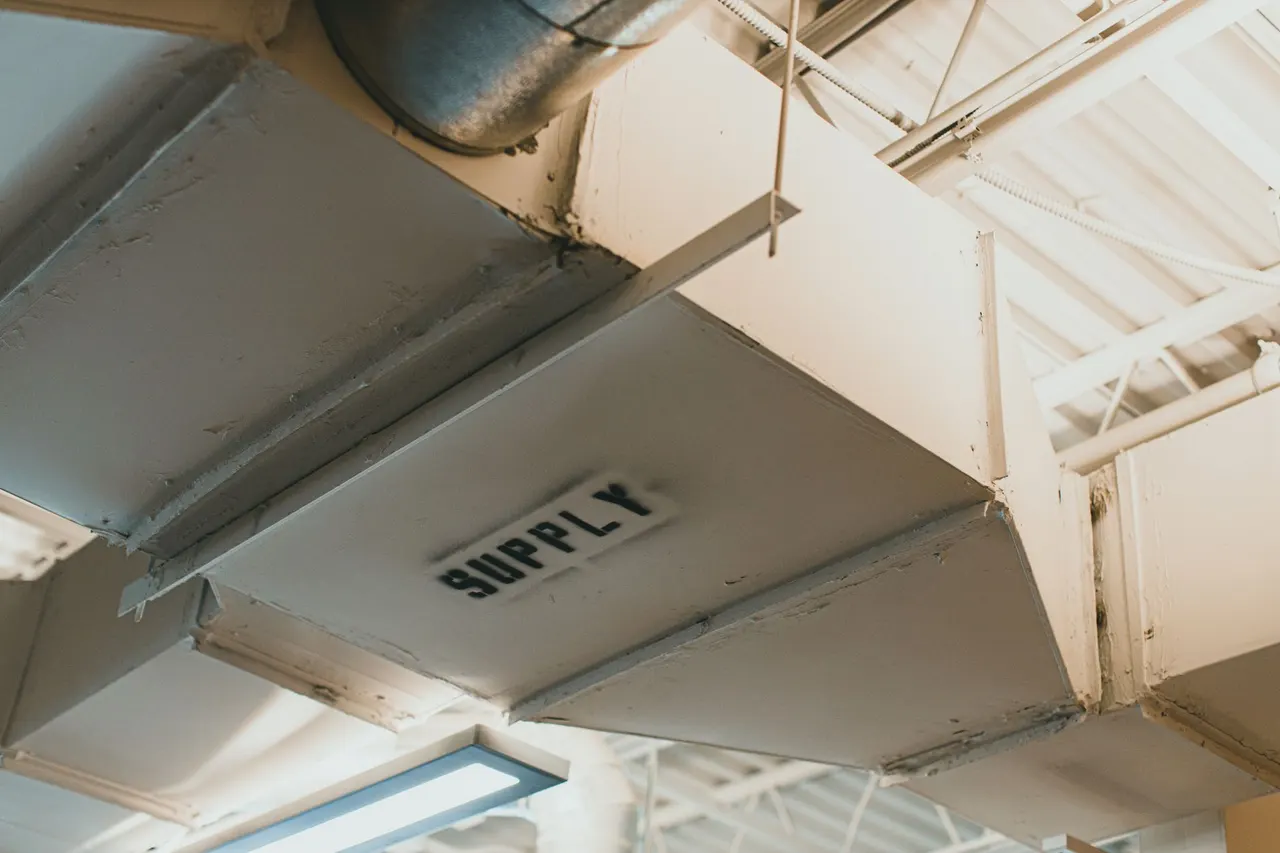
Ductwork moldMold in ductwork spreading through the houseAttic ductwork with mold spreads spores into every room in your house every time the HVAC runs. That means musty odors, allergy flare-ups, and a mold problem that is not just in the attic anymore. We contain the ducts, HEPA vacuum the interior, and treat with antimicrobial. This is often a separate line item in your insurance claim. We document the ductwork mold with photos and moisture readings so your adjuster sees the full scope.
Musty odorsMusty odors and allergy symptoms from attic moldMusty smells mean mold is active somewhere. If you or your family are having allergy or asthma symptoms, the attic is often the source. Ignoring it means the problem gets worse and the remediation gets more expensive. We find the mold with a full inspection, document it for your insurance claim, and remediate the attic. We also run air quality testing to verify the space is clean after remediation. You get documentation for your insurance company and your doctor.
Why Littleton Homeowners File Attic Mold Claims
A documented attic mold claim that gets approved and stays fixed.
Insurance Pays Most of It
When mold traces back to a covered peril like a roof leak or storm damage, most homeowner policies cover remediation, insulation replacement, and some repairs. We write the scope in the format adjusters expect, which cuts back-and-forth and gets approvals faster. You pay your deductible, we bill the rest.
Stops the Spread Fast
Mold in an attic does not stay in the attic. Spores travel through ductwork and ventilation fans into living spaces. We contain the work area, run a negative air machine, and HEPA vacuum every surface so spores do not migrate into bedrooms and kitchens while we work.
Protects Resale Value
A Littleton home inspector will flag attic mold, and buyers will walk or demand a price cut. A documented remediation with before-and-after photos and clearance documentation keeps your sale on track. We have helped sellers in Columbine and Ken Caryl close on time after a mold finding.
Fixes the Root Cause
Removing mold without fixing the moisture source is a waste of money. We find the roof leak, the failed ventilation fan, or the condensation problem with a thermal imaging camera and moisture meter, then repair or recommend the fix so the mold does not come back next season.
What a written scope covers.
What a written scope covers and what shapes it. Prices are set by the business after the first look.
We had a roof leak last winter and did not realize mold was growing in the attic until spring. PeakShield inspected, documented everything with photos and moisture readings, and wrote the scope for our insurance claim. The adjuster approved it without a single question. Mold removed in two days, new insulation in, and the attic is dry. Could not ask for a smoother process.
I found black mold on the sheathing during a home inspection before selling. PeakShield came out the next day, documented the mold, and handled the insurance claim. The sale closed on time. Worth every penny.
We manage several rental properties in Littleton and had a tenant report musty odors. PeakShield found mold in the attic from a failed ventilation fan, documented it for the insurance claim, and remediated the whole space. They kept us updated the entire time and handled the adjuster calls. Professional and thorough.
Frequently Asked Questions
If the mold traces back to a covered peril like a roof leak or storm damage, your insurance typically covers most of it after your deductible. We provide a written scope so you know the numbers before we start.
Yes, if the mold is caused by a covered peril such as a roof leak, storm damage, or burst pipe. Most policies exclude mold that results from long-term neglect or poor maintenance. We document the water source and the timeline so your adjuster can see the mold is tied to a specific event, not a slow leak you ignored. That documentation is what gets claims approved.
Most attic mold remediation jobs take one to three days of on-site work. The insurance approval process adds another 5 to 10 business days on average. If you need same-day attic mold removal for insurance claims Littleton CO service because of an active leak, we can often start containment the same day and handle the paperwork in parallel.
You need photos of the mold, moisture readings, a written scope of work, and proof of the water source. We provide all of that. We also include before-and-after photos and a clearance summary at the end. If your adjuster wants a second inspection, we coordinate that. You should not have to chase paperwork; that is our job.
Get Your Attic Mold Removal for Insurance Claims in Littleton Started
Call (720) 953-3834 and we will inspect your attic, document the mold, and write the scope your insurance company needs. Same-day inspections available across Littleton and Arapahoe County. We handle the paperwork so you can focus on your home.
Call (720) 953-3834 or email us and we will schedule an attic inspection, usually within a day or two. We work Monday through Friday, 8am to 6pm, and we answer the phone ourselves. If you have a leak or storm damage, tell us and we will prioritize the call.