For Homes
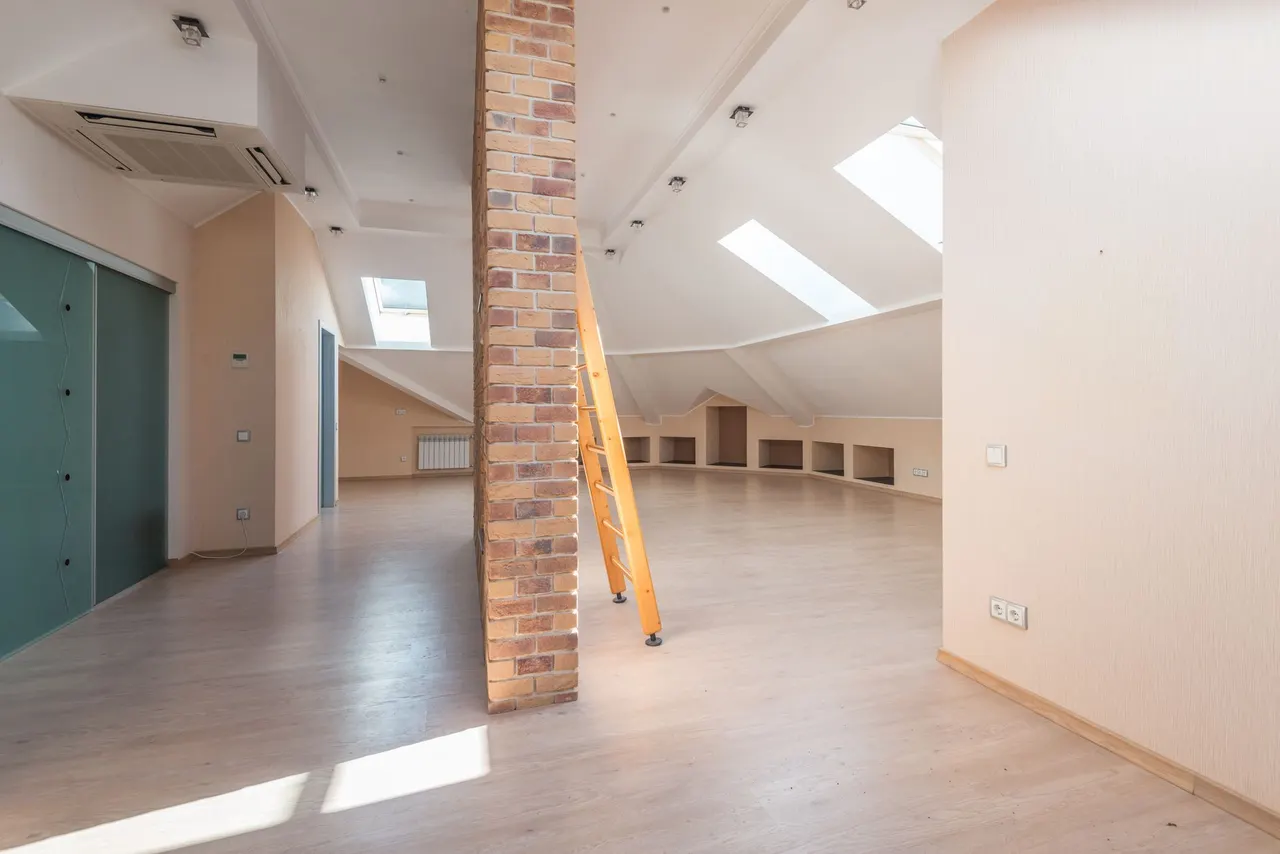
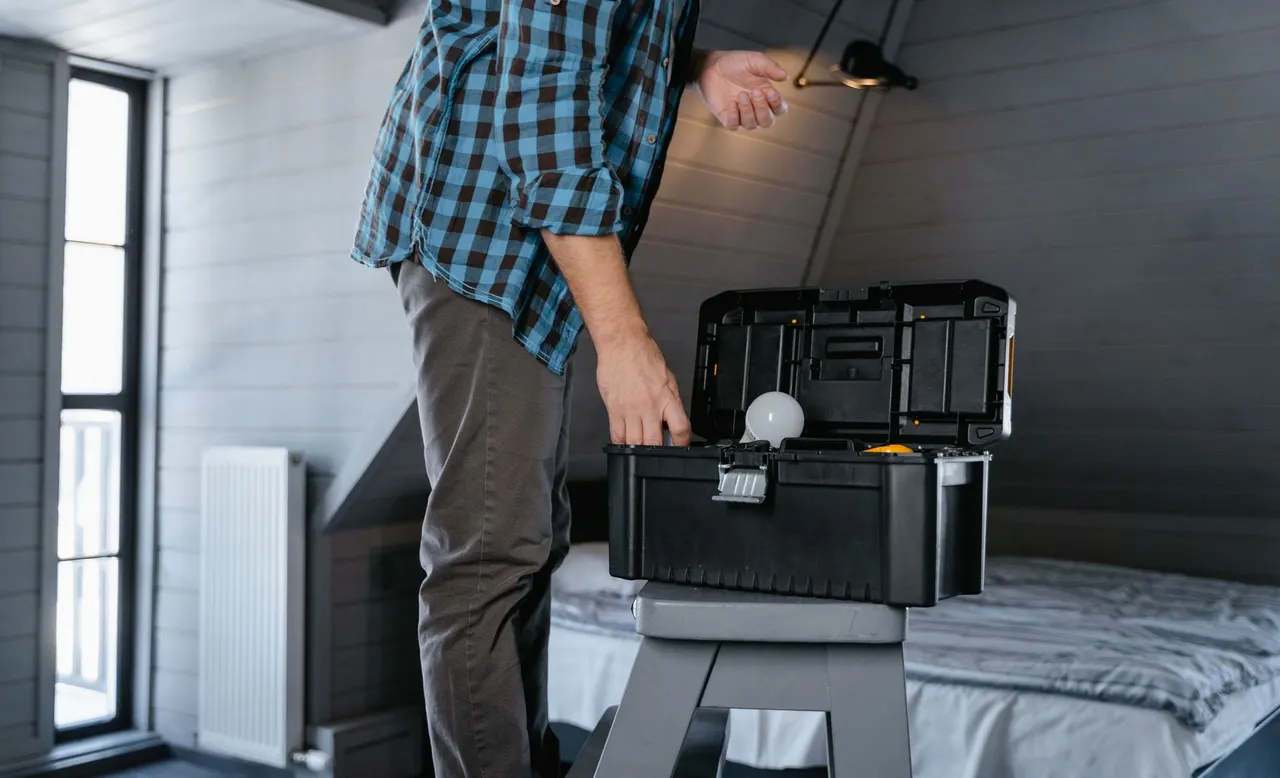
We sanitize attics in single-family homes across Littleton and the surrounding neighborhoods. Every job starts with an inspection and ends with a written report.
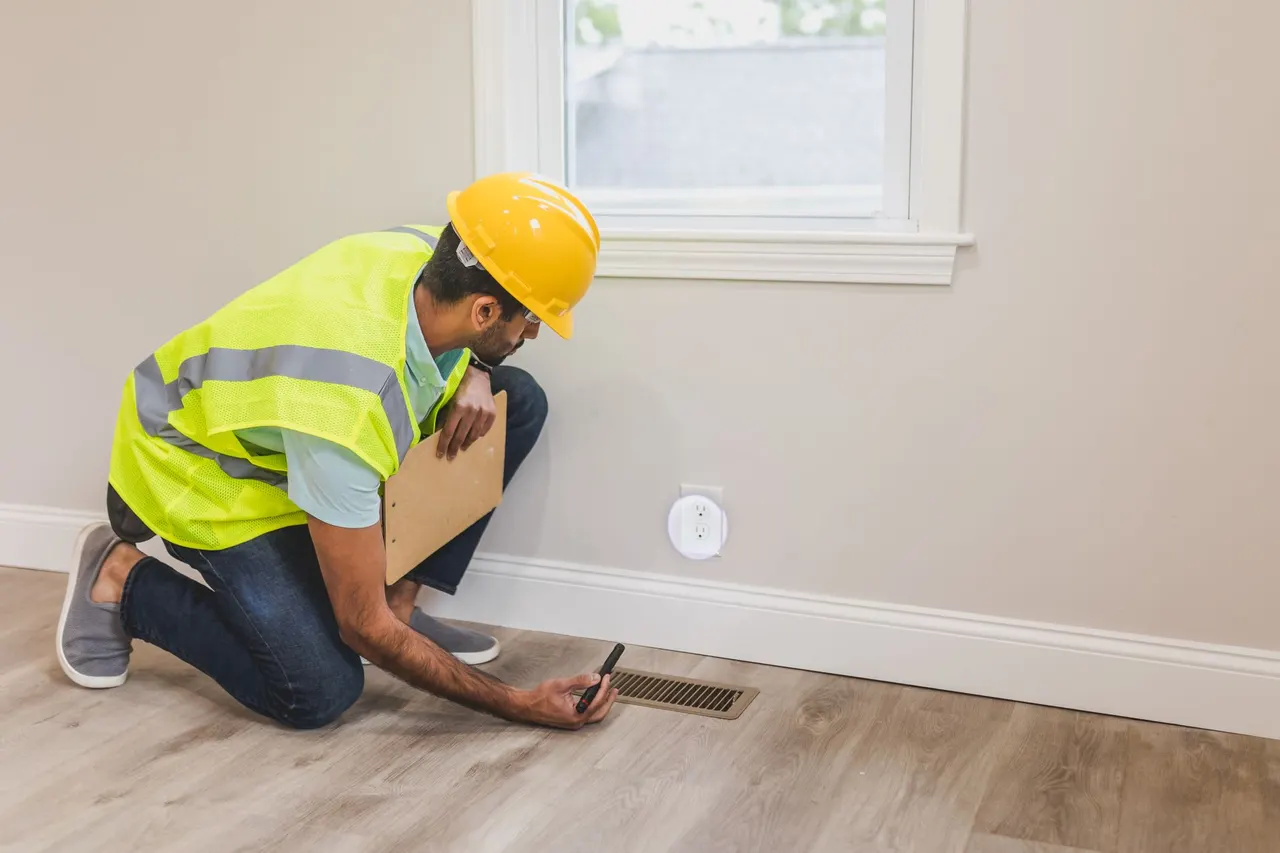
- Musty smell upstairs
- Mold after a roof leak
- Rodent waste in insulation
Attic Sanitization Littleton CO is a full HEPA vacuum, antimicrobial fog and odor treatment that clears mold spores, rodent waste and musty air from your attic. We handle homes and commercial buildings across Arapahoe County, from first inspection to final air check. If you smell something sour upstairs or your allergies flare indoors, call (720) 953-3834.
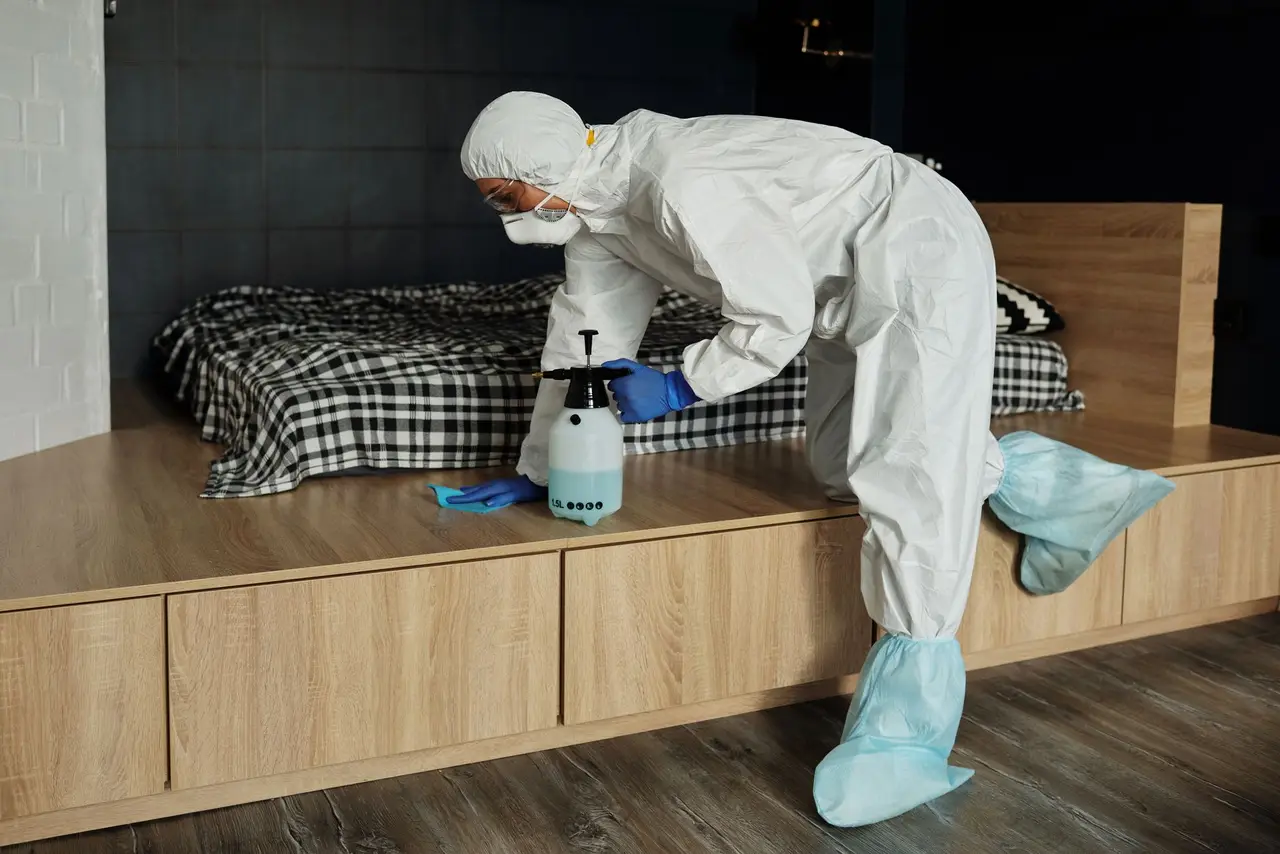 Moisture readingsContainment setupPhoto documentation
Every job is scoped in writing after the inspection. The list below covers what standard attic sanitization includes. If your attic needs insulation replacement, roof leak repair or ductwork cleaning, those get added to the same scope so nothing falls through the cracks.
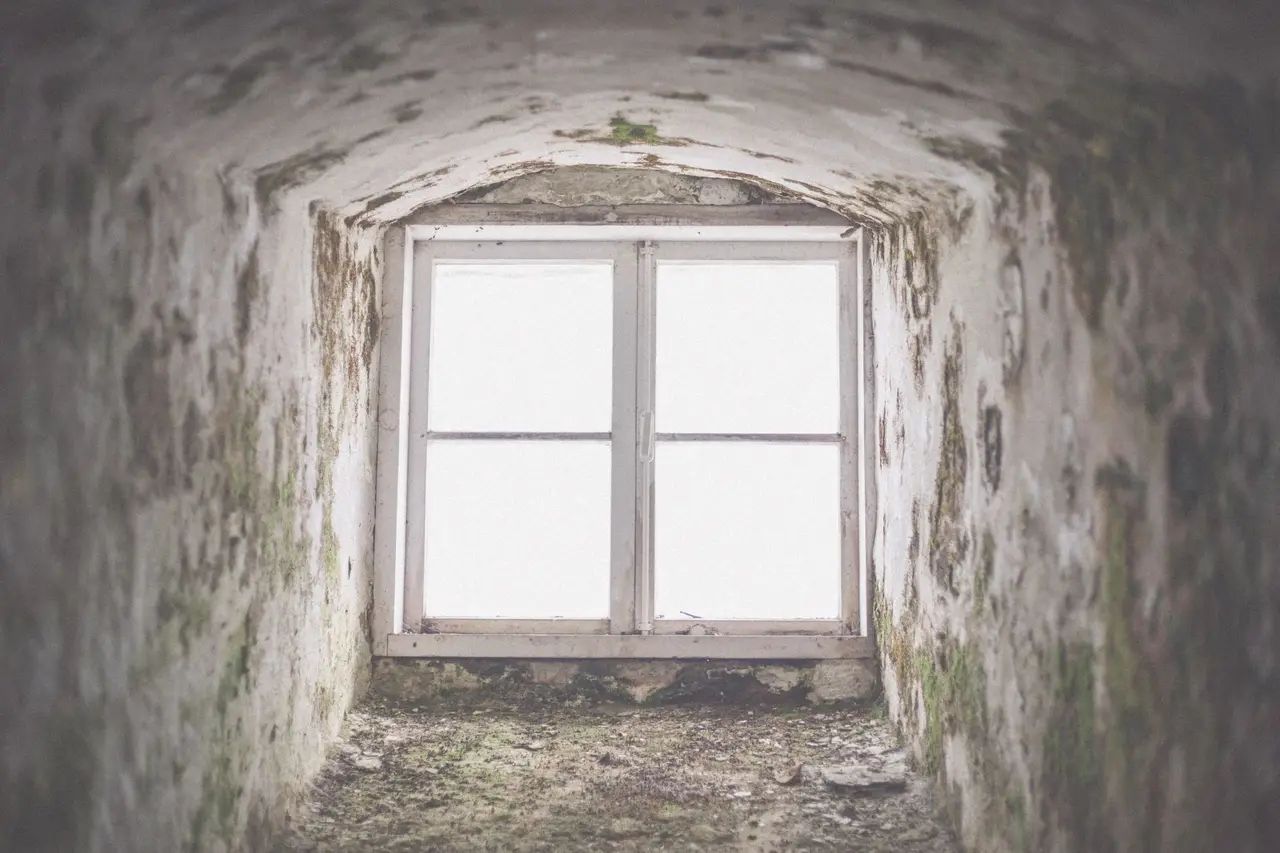
Moisture meter, hygrometer, thermal imaging camera and boroscope readings across the whole attic. We map wet wood, condensation zones and growth before quoting a single dollar.
Sealed hatch, drop cloths, negative air machine and a HEPA air scrubber running for the entire job. This is what keeps spores out of your living space while we work.
Every truss, sheathing board, top plate and duct surface gets vacuumed with HEPA filtration. This is the slow, unglamorous step that actually removes the contamination.
Fogged antimicrobial spray applied to all exposed wood surfaces. We choose between Concrobium, Benefect and RMR-86 based on what the inspection found and how the attic is ventilated.
Source removal plus treatment clears musty smells at the root. We do not mask odors with fragrance. If the smell persists after sanitizing, we come back and find out why.
Moisture readings, before-and-after photos and a summary of what was treated. Useful for insurance claims, real estate transactions and your own records.
The approach is the same for a home and a business. What changes is the access, the schedule and who needs the paperwork.
We sanitize attics in single-family homes across Littleton and the surrounding neighborhoods. Every job starts with an inspection and ends with a written report.
We work with property managers, landlords and business owners on attics in offices, retail and multi-unit buildings. Scheduling is built around your tenants.
A plain-language look at what Attic Sanitization involves and when it is needed.
See how it worksAttic Sanitization Littleton CO is the deep-clean step that follows mold removal: we HEPA vacuum every truss, sheathing board and insulation face, fog the whole cavity with an antimicrobial spray, then scrub the air until spore counts drop. It is not a spray-and-go job. We use a moisture meter and thermal imaging camera first, because sanitizing over an active roof leak just feeds the next bloom. A 1,200 sq ft attic usually takes four to six hours with a two-person crew.
Most Littleton homes we open up have the same story: a roof leak or poor attic ventilation let humidity build, condensation formed on the wood sheathing, and black mold followed. Add cellulose insulation that soaked up the moisture and you get musty odors pushing down through ductwork into bedrooms. That is when people start searching for attic sanitization in Littleton CO near me at 9 p.m. because nobody in the house slept well.
Sanitizing works when the attic is dry and the contaminated material is already gone.
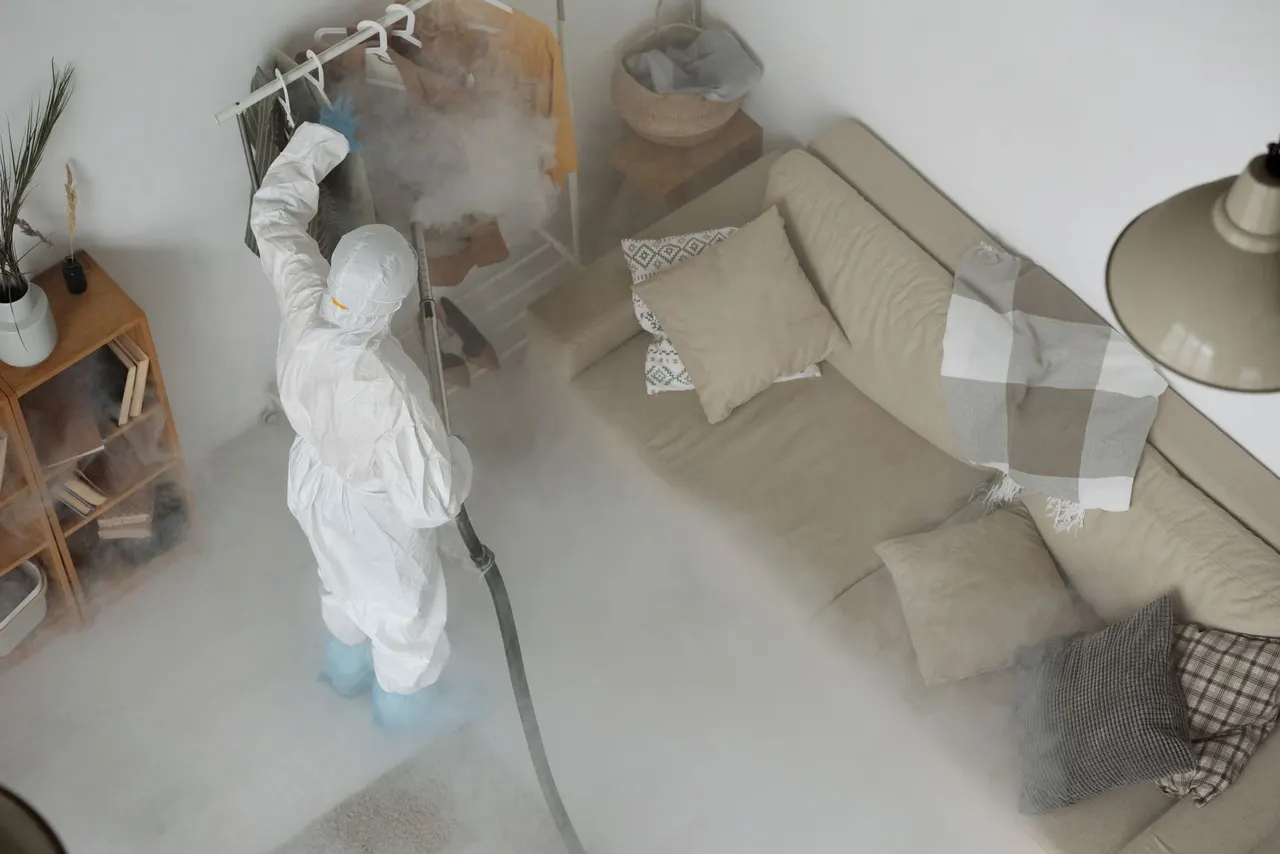
Every job follows the same five stages. You get a written scope before we start, a protected house while we work, and a walkthrough at the end so you can see exactly what changed.
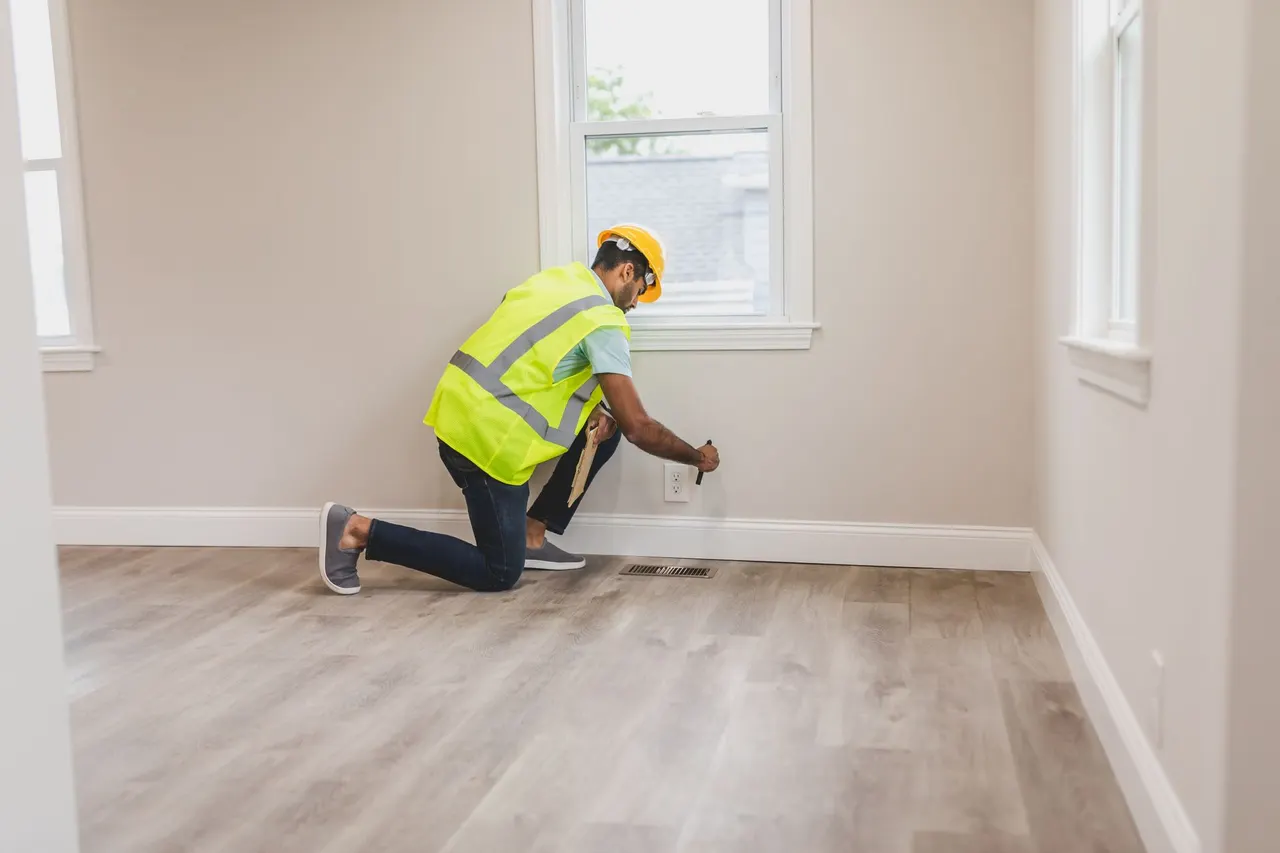
We start with a moisture meter, hygrometer and thermal imaging camera to map wet wood, condensation zones and hidden growth behind insulation. A boroscope lets us check inside wall cavities and around ductwork without cutting drywall. This takes 30 to 45 minutes and tells us whether you need sanitizing alone or full remediation first.
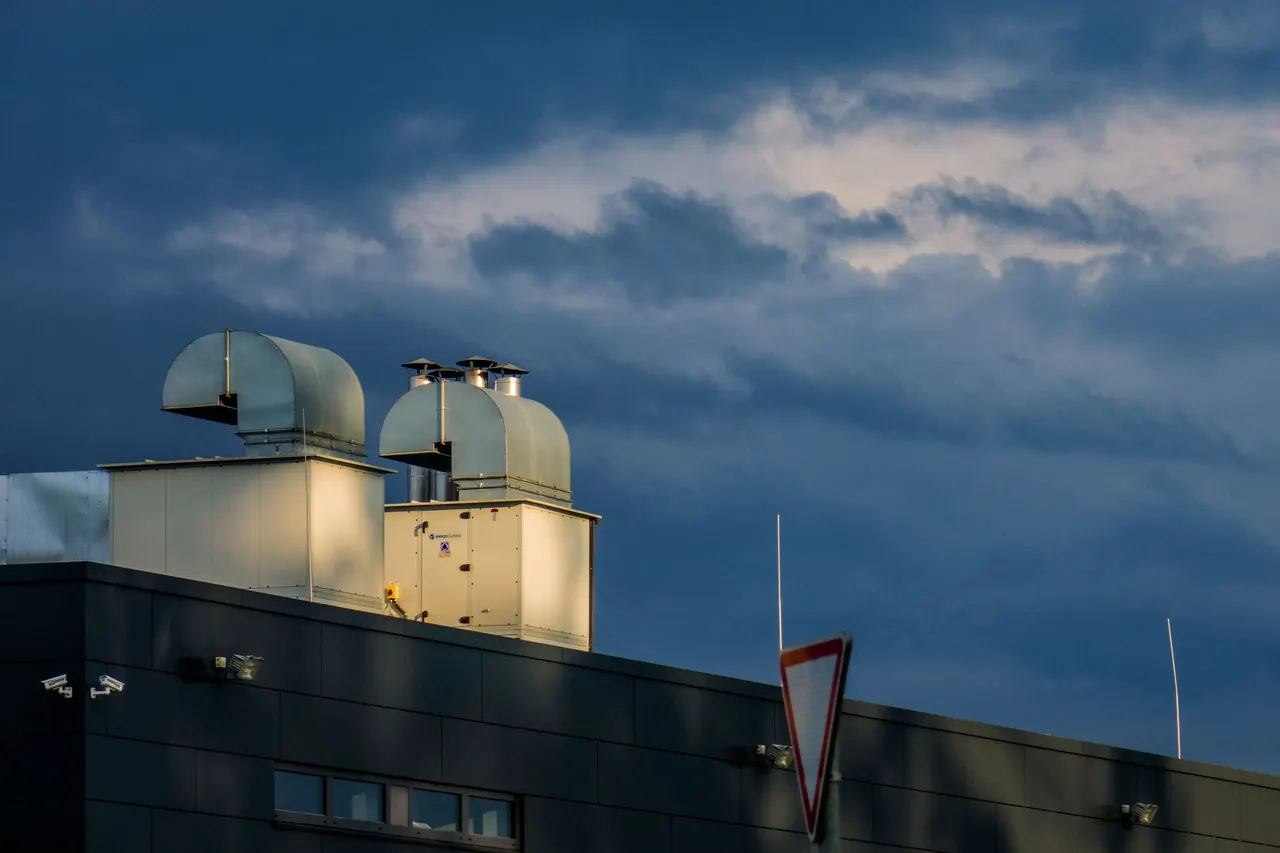
We lay drop cloths, seal the attic hatch with plastic, and set up a negative air machine so spores and dust stay in the work zone. An air scrubber with HEPA filtration runs the whole time. Your furnace and AC stay off during the job so nothing gets pulled into the ductwork and pushed through the house.
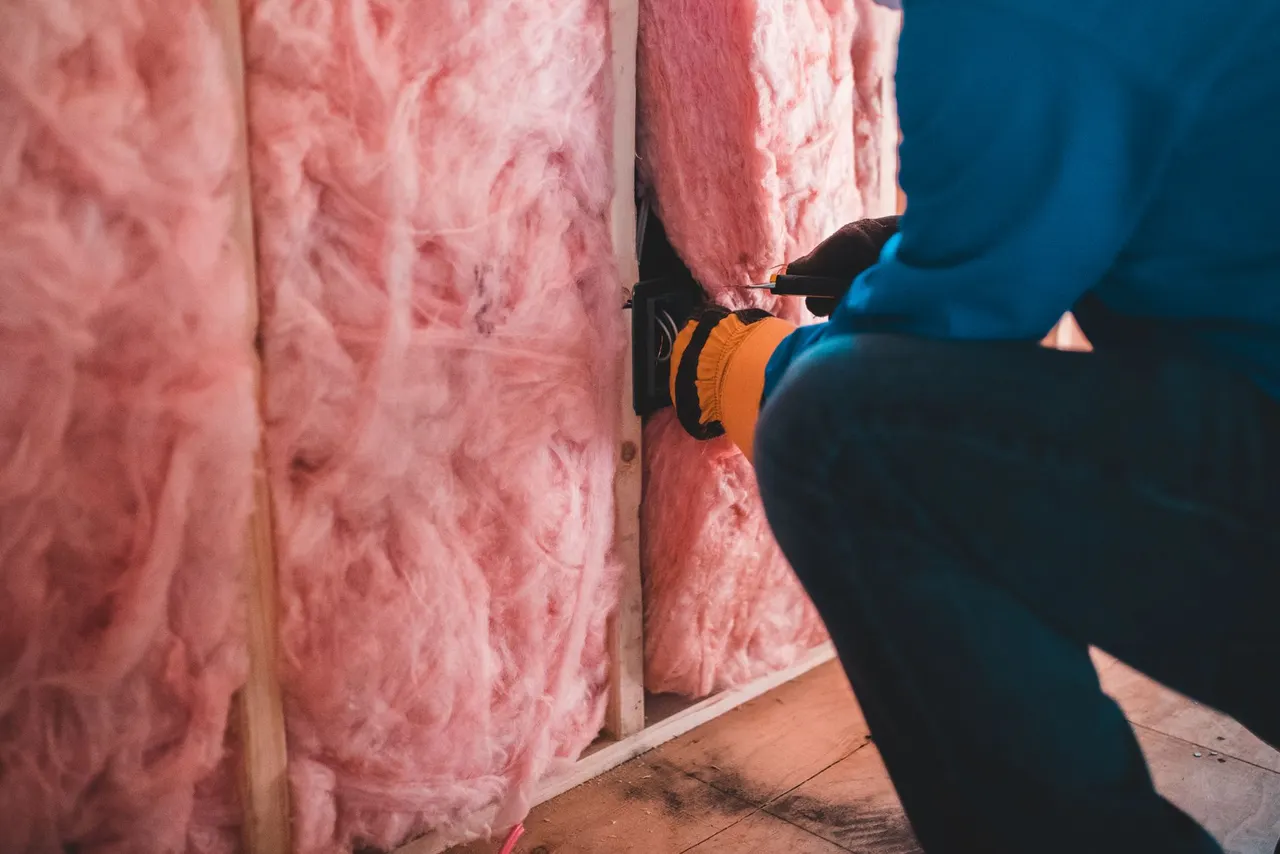
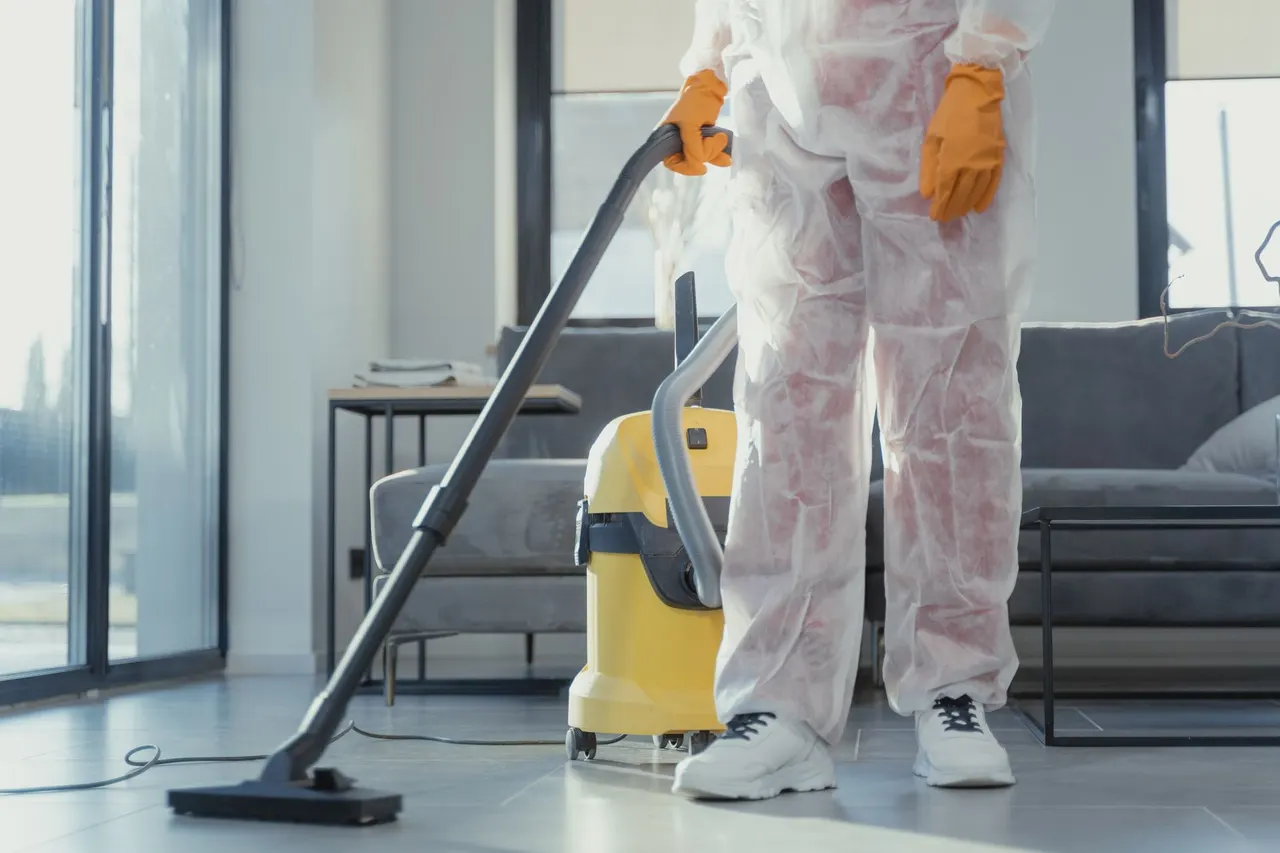
Contaminated fiberglass insulation, cellulose insulation and rodent debris go into sealed bags and out through the hatch. We HEPA vacuum every exposed surface: trusses, roof sheathing, top plates and the decking around ductwork. This is the slow part, and it is the part that actually matters.
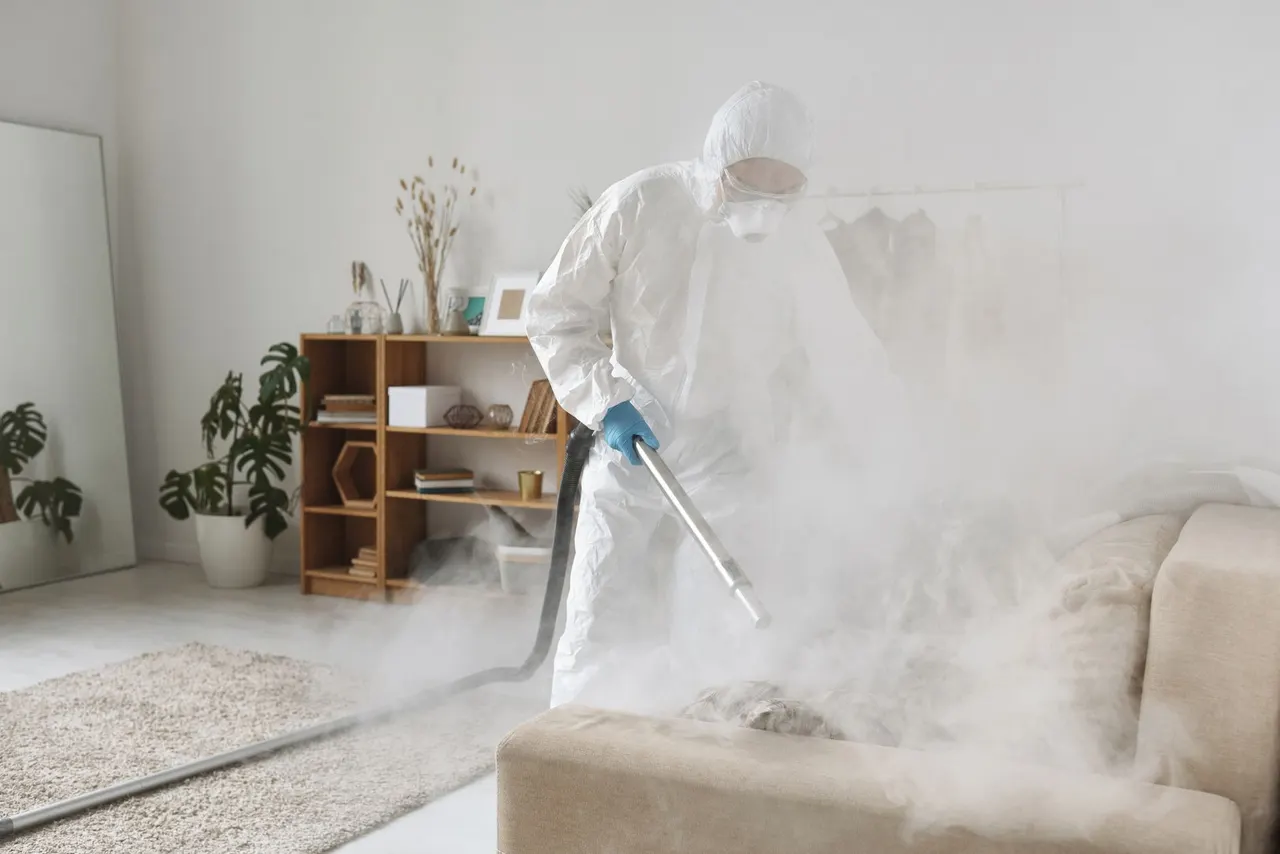
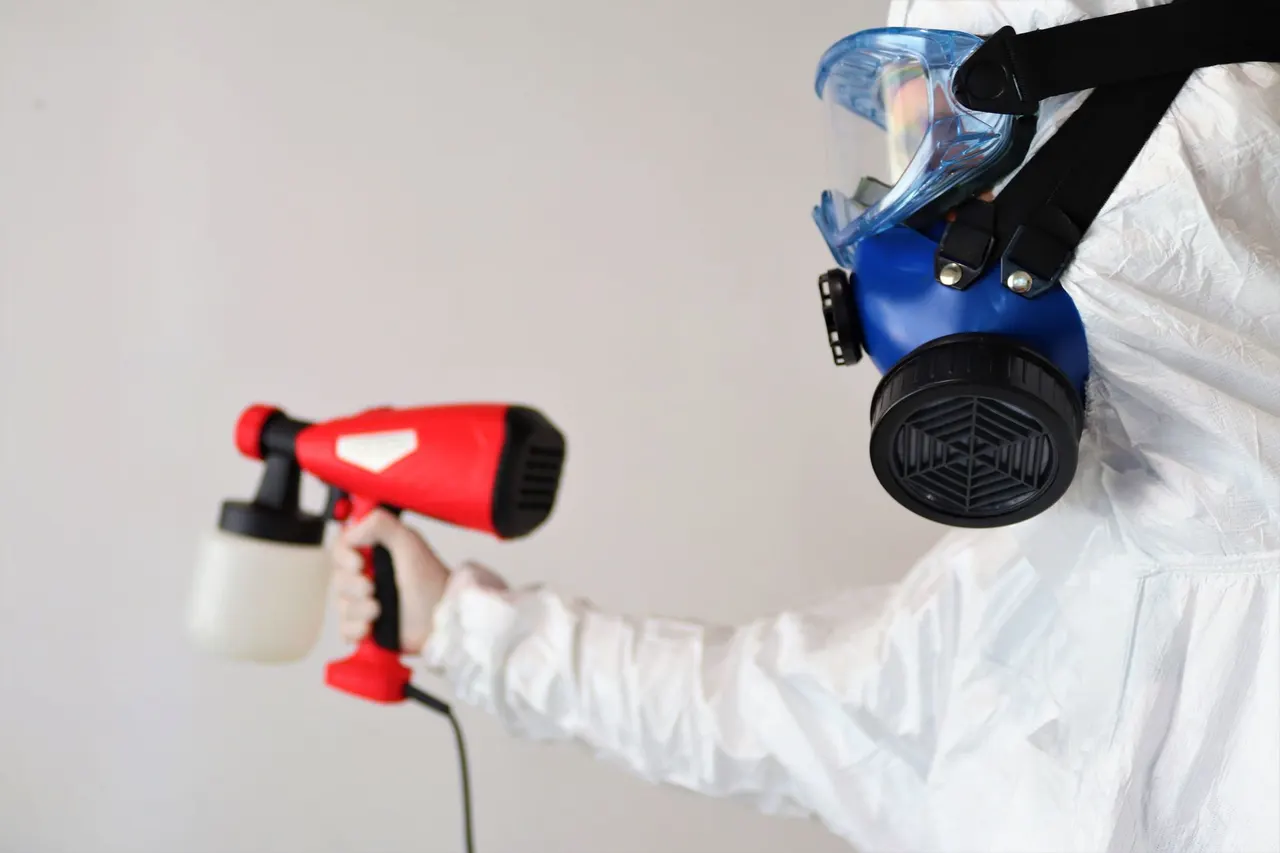
We apply an antimicrobial spray to all wood surfaces using a fogger for even coverage into corners and truss bays. Products we use include Concrobium, Benefect and RMR-86, chosen based on what we found. Cure time runs two to four hours depending on temperature and airflow, and we do not rush it.
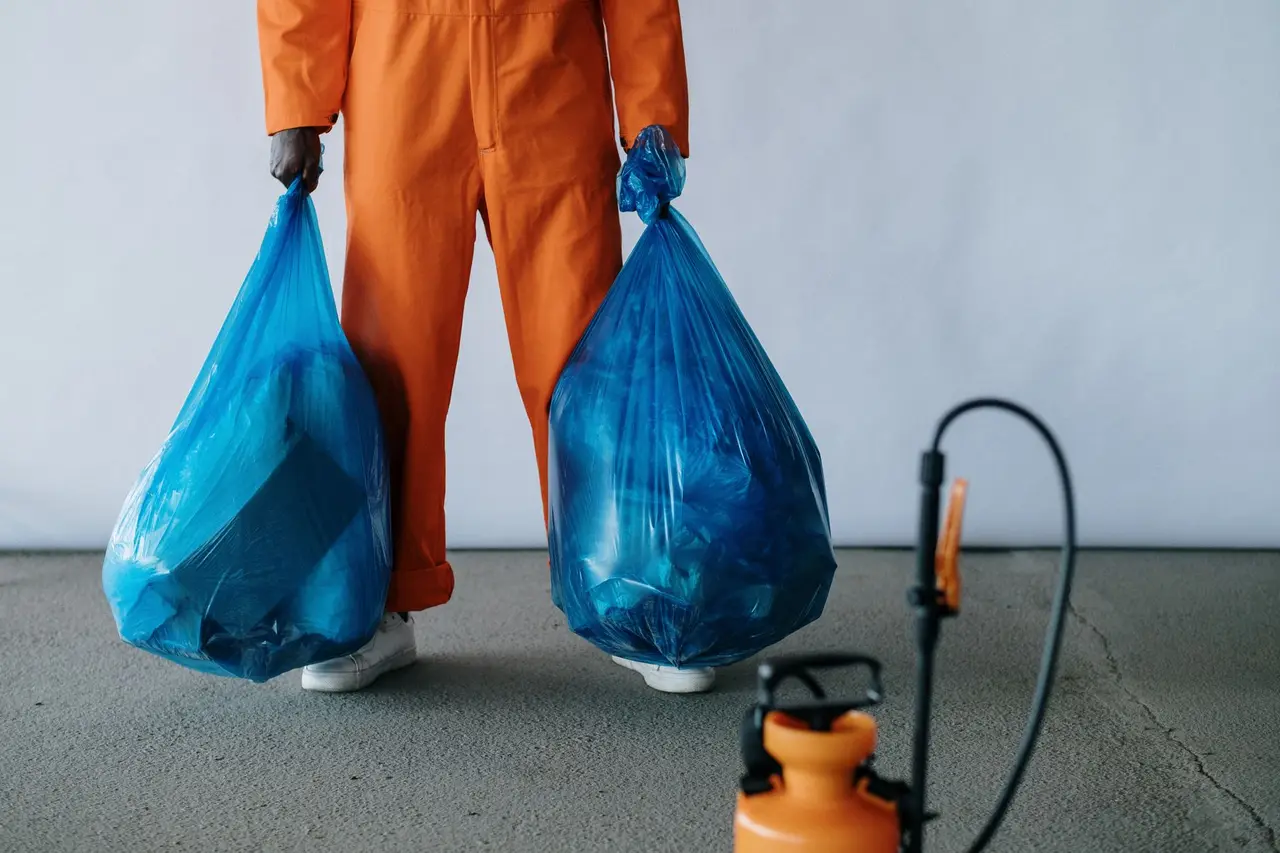
Before we pack up, we re-check moisture levels with the meter and hygrometer, confirm the attic is dry, and take photos of every treated area. You get a written summary with readings and images. If we found a roof leak or a ventilation shortfall, that goes in the report too, with what to fix next.
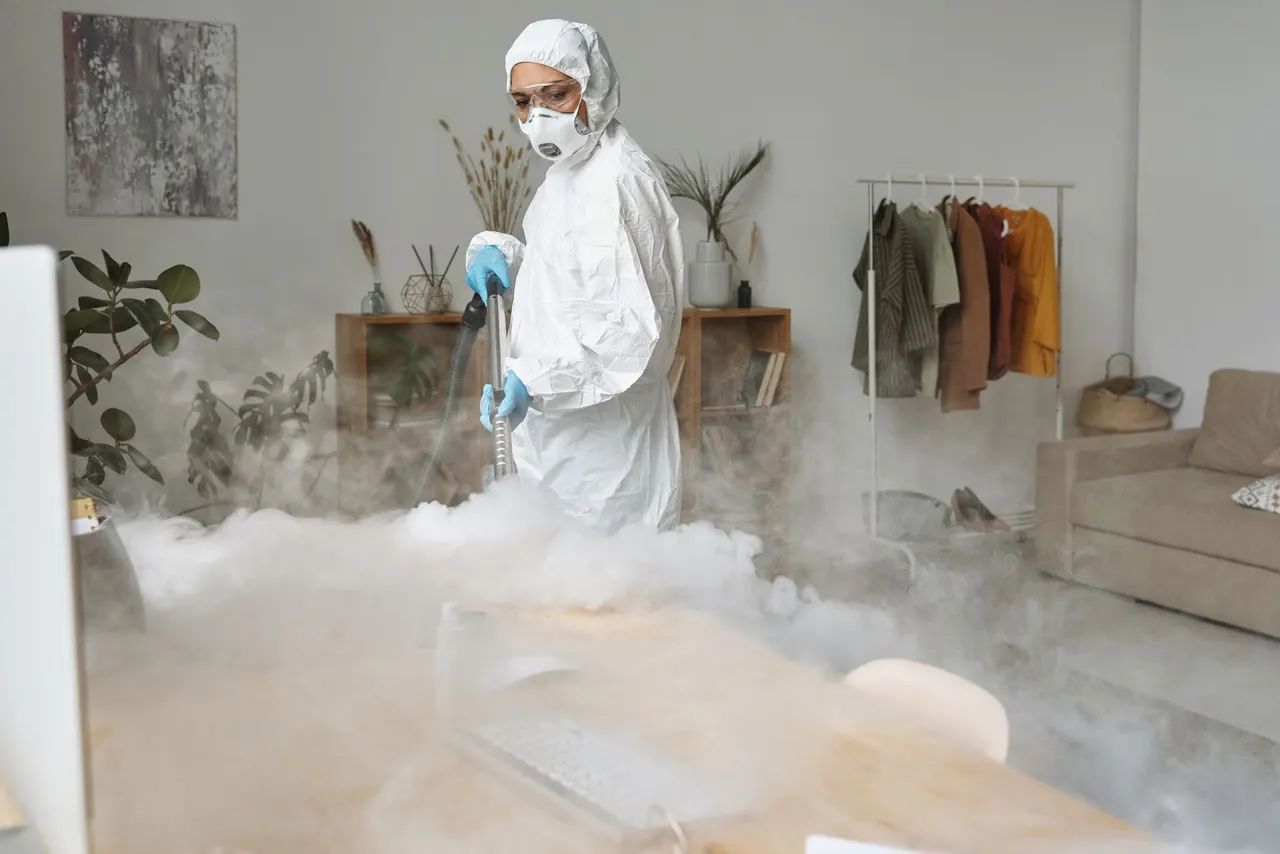
Move across a circle, or focus it and press Enter, for an illustrative thermal view of the photograph.
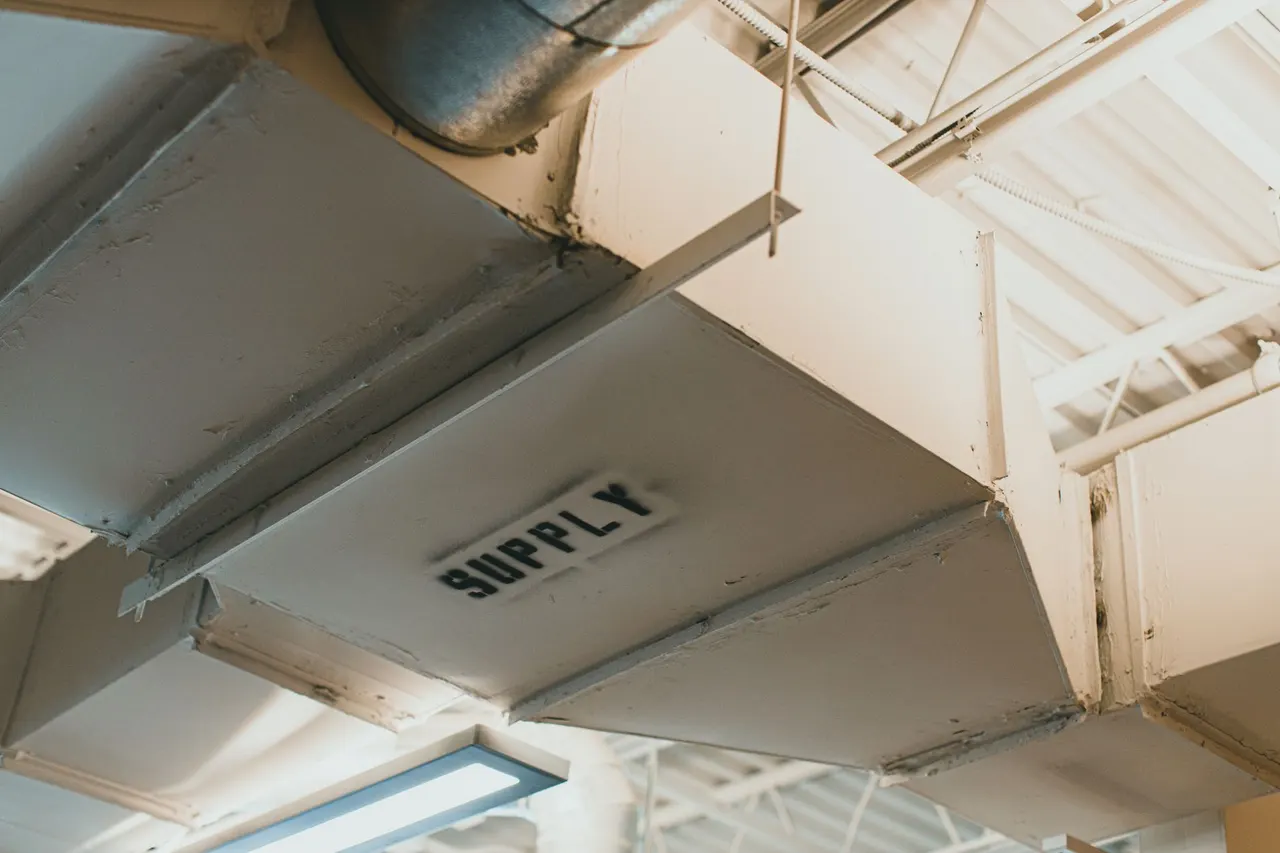
Finds temperature differences that reveal wet sheathing, hidden leaks and condensation zones behind insulation before we start work.
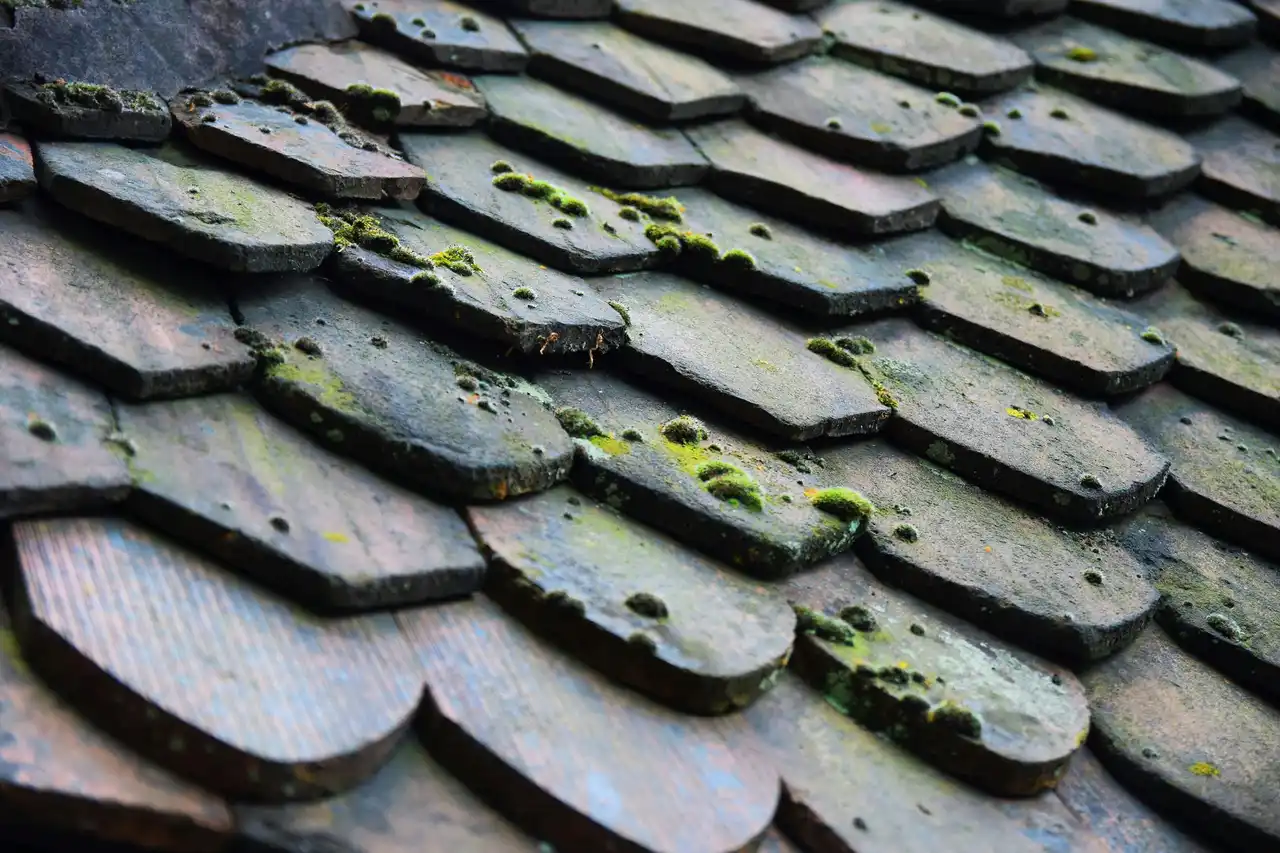
Measures wood moisture content and relative humidity so we know whether the attic is actually dry before we sanitize.
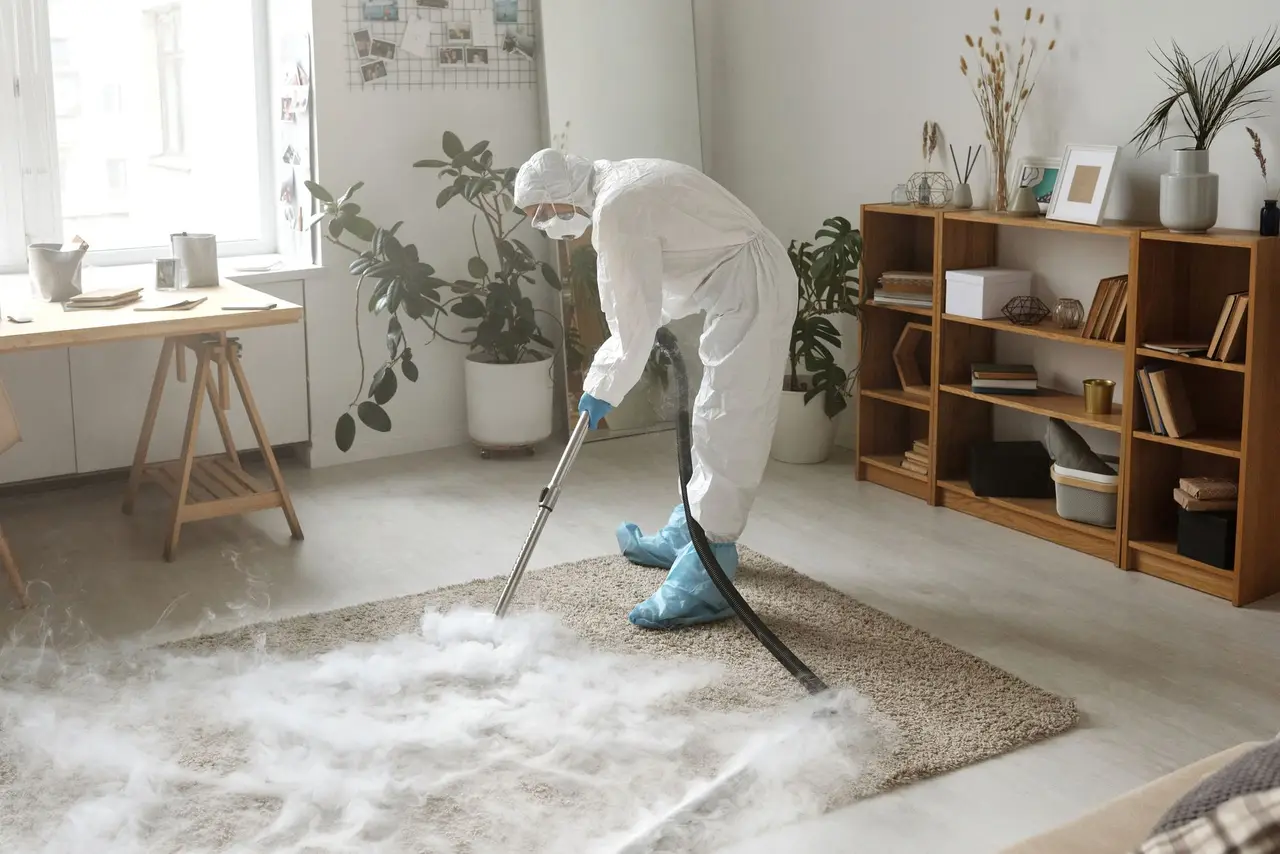
Removes spores, dust and rodent debris from trusses, sheathing and top plates without pushing particles back into the air.
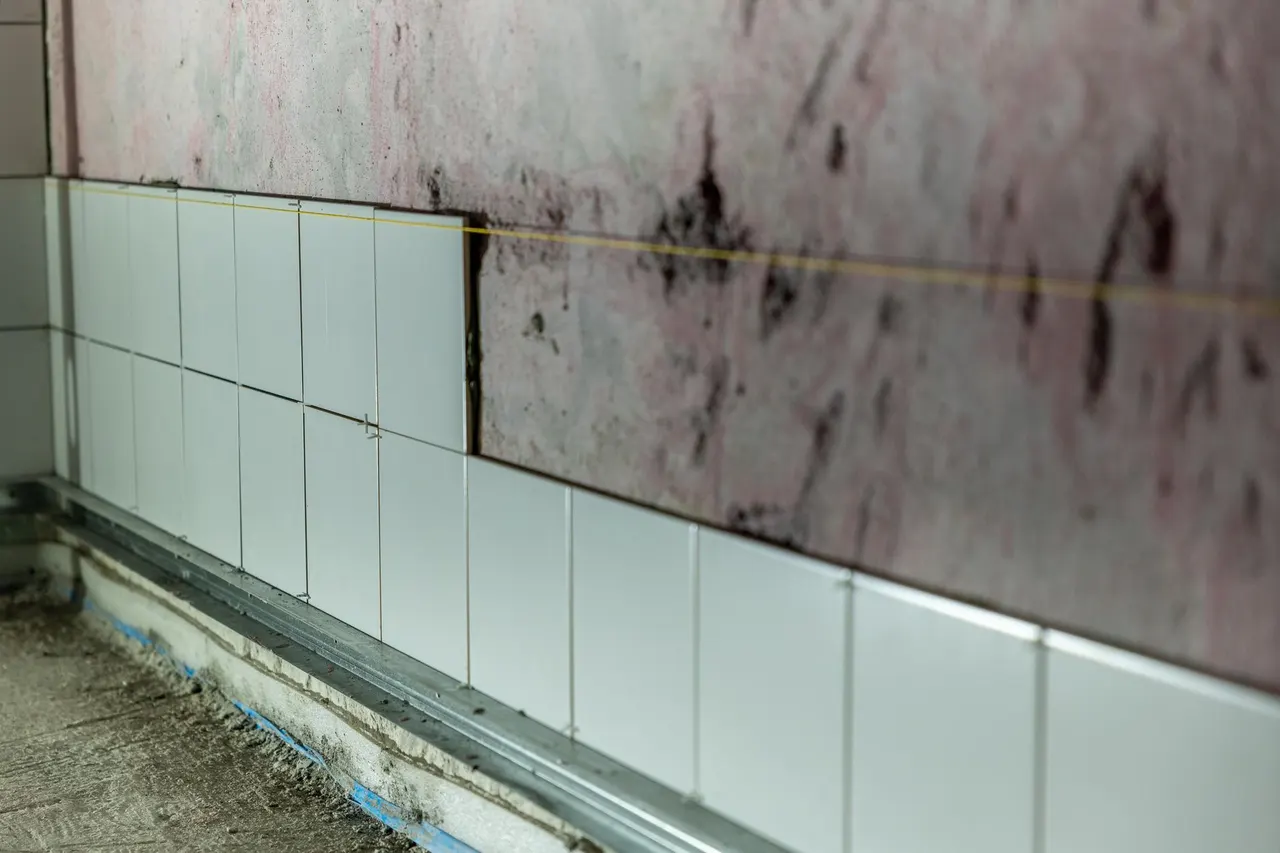
Keeps the work zone under negative pressure and filters airborne particles so spores stay in the attic, not in your living room.
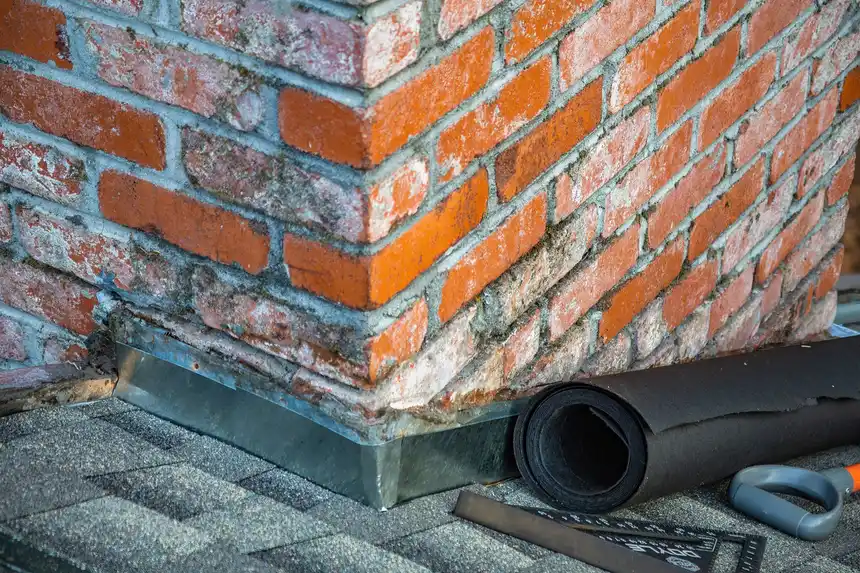
Applies antimicrobial spray evenly into truss bays, corners and tight spaces where a spray bottle cannot reach.
Thermal views are illustrative, generated from the photographs.
Lets us look inside wall cavities and around ductwork without cutting drywall, so we find hidden growth before quoting.
Professional drying and air movement gear used when the attic is still wet and needs to be dried before sanitizing.
The industry standard for assessing and remediating mold. We follow it for containment, removal, cleaning and clearance on every attic job in Littleton.
We seal the attic hatch and run a negative air machine so air flows into the work zone, not out of it. This is what keeps spores out of bedrooms and kitchens during the job.
Antimicrobial spray only works on clean surfaces. We vacuum every exposed surface first, then treat, which is why our sanitizing actually holds up over time.
We use Concrobium, Benefect and RMR-86 depending on the surface and the growth. Each is EPA-registered and chosen for the specific conditions in your attic.

You just had a roof leak repaired and the attic still smells musty two months later.
We inspect for residual moisture with a meter and thermal camera, remove any wet insulation, HEPA vacuum the framing, and sanitize all exposed wood with antimicrobial spray.
Outcome: The smell is gone, the attic is dry, and you have documented readings showing the repair worked.
A home inspector flagged attic mold a week before your closing date.
We prioritize real estate timelines, inspect the same day when possible, and complete sanitization with a written report and photos the buyer's agent can review.
Outcome: The buyer gets documentation, the lender gets proof, and the closing stays on schedule.

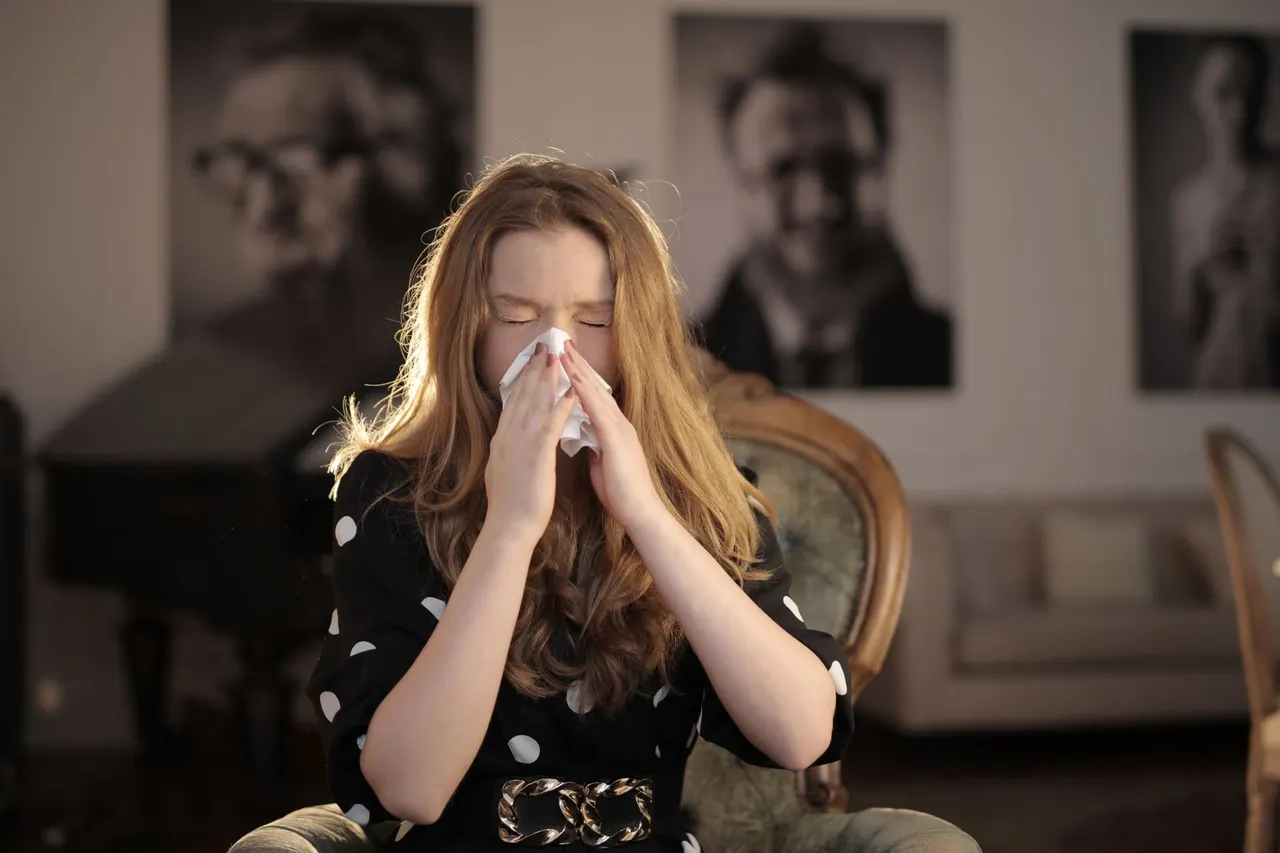
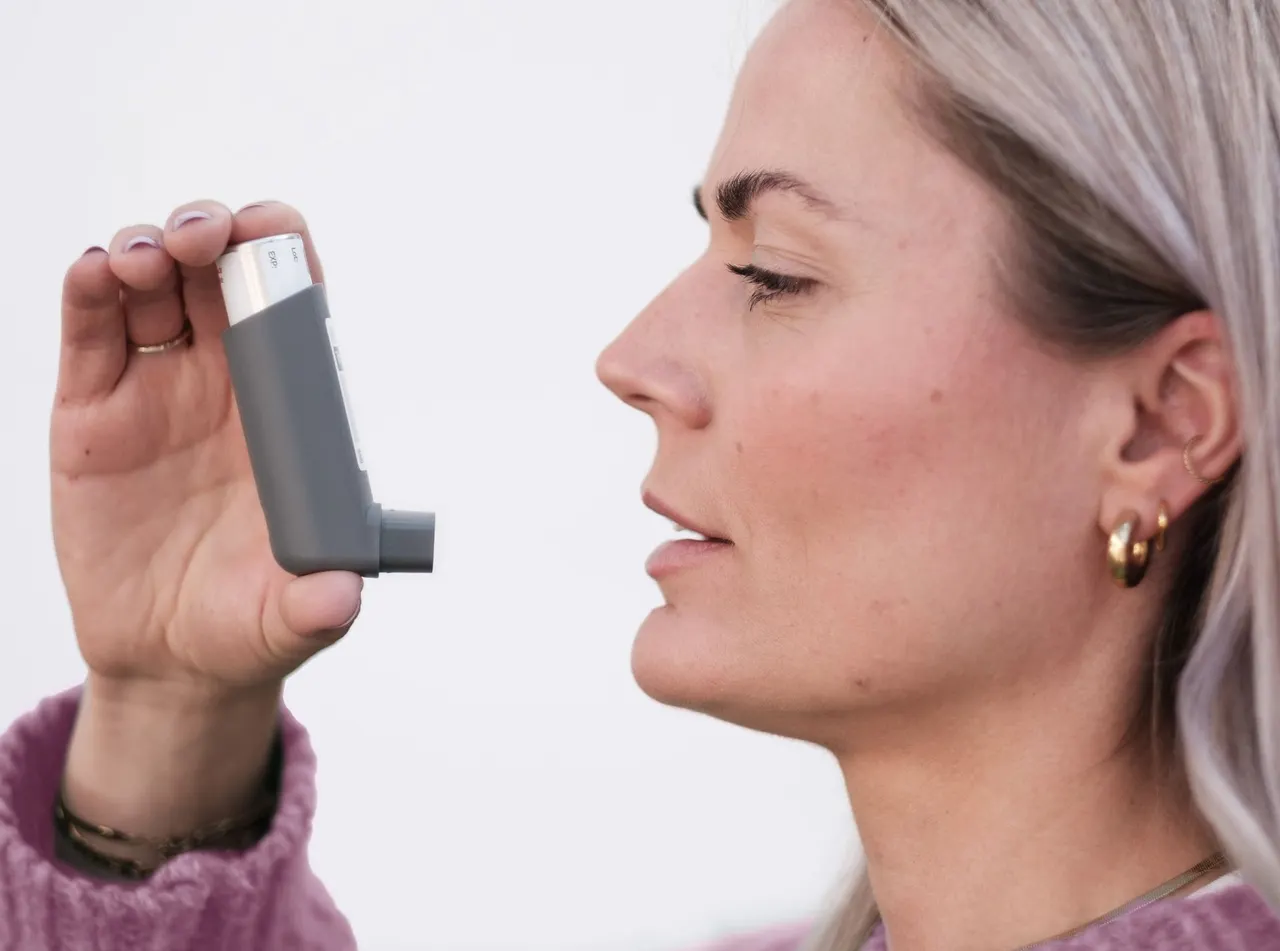
Your family has been dealing with allergies or asthma that get worse upstairs.
We test air quality, inspect the attic for mold and rodent waste, then run containment, HEPA vacuuming and antimicrobial treatment. Ductwork gets checked too.
Outcome: Spore counts drop, the attic stops feeding triggers into bedrooms, and most customers notice a difference within 48 hours.
You found rodent droppings and torn insulation while storing holiday boxes.
We remove contaminated insulation, HEPA vacuum the entire attic, sanitize all surfaces, and install fresh insulation rated for Colorado temperatures.
Outcome: The attic is clean, odor-free and safe to store in, with new insulation doing its job again.

You are selling a rental property and the tenant complained about musty air.
We inspect, decontaminate, sanitize, and hand you a written report with before-and-after photos you can show the buyer or keep for your records.
Outcome: The unit passes inspection, the tenant stops complaining, and you have documentation for the sale.
Littleton sits at the edge of the foothills, which means big temperature swings between day and night, and that drives condensation onto attic sheathing. Add hail season roof leaks and freeze-thaw cycles in winter, and you get the pattern we see over and over: a small leak, wet insulation, then black mold on the decking by the next summer.
Older homes near Historic Downtown Littleton and Sterne Park often have undersized soffit venting, while newer builds in Sterling Ranch and TrailMark sometimes have ventilation sized for the wrong roof pitch. We adjust our scope for each. If you are looking for attic sanitization for mold prevention Littleton CO, the real fix is moisture control first, sanitizing second.
Arapahoe County homes built before 1978 also get EPA Lead-Safe handling if we disturb painted surfaces during the job.
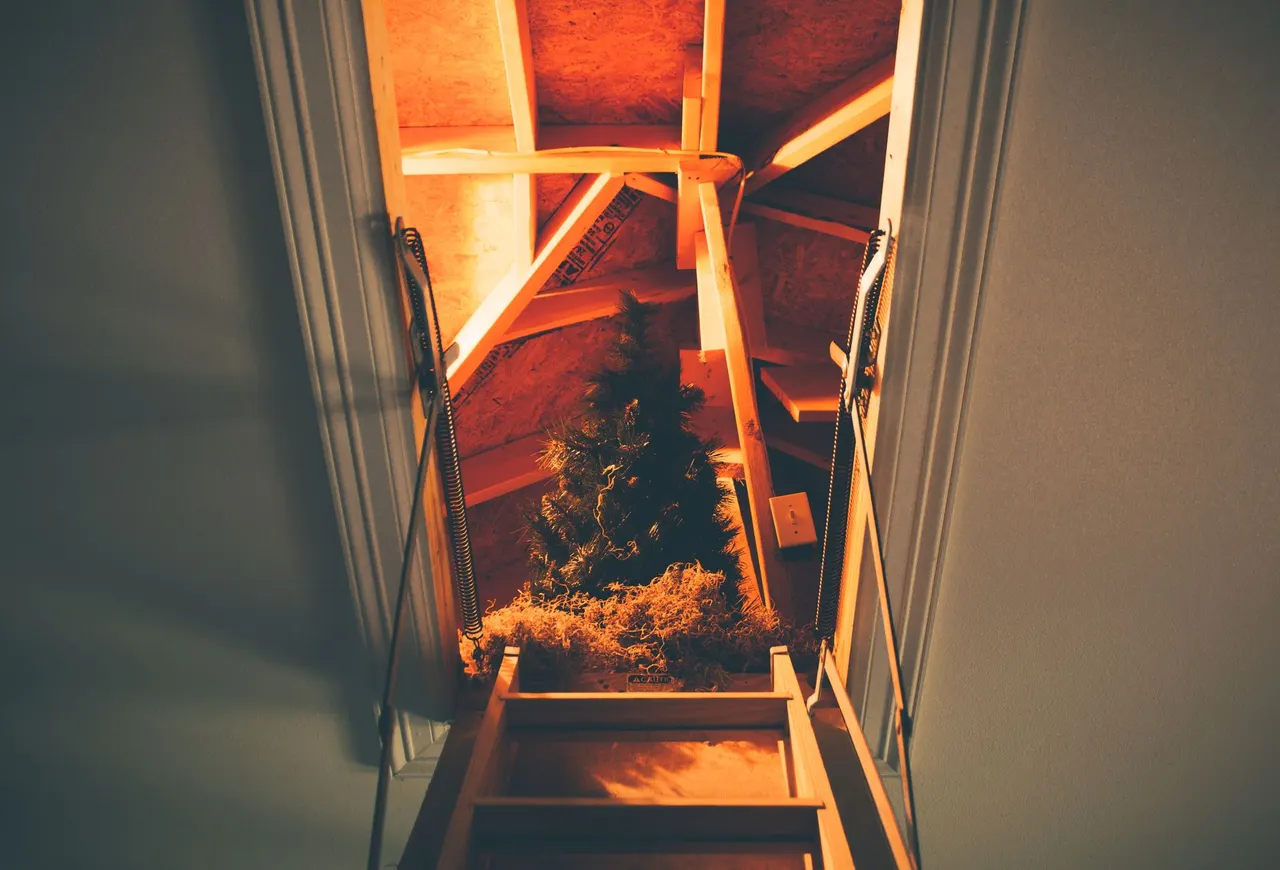
Before: A roof leak two winters ago left wet fiberglass insulation and black mold across roughly 200 sq ft of roof sheathing. The attic smelled sour, and the upstairs bedrooms had a persistent musty odor that no amount of cleaning fixed.
After: We removed the wet insulation, HEPA vacuumed and treated the sheathing and trusses with antimicrobial spray, and installed new insulation. Moisture readings dropped from 24% to 11% on the affected decking. The odor cleared within 48 hours.
We recommended adding two soffit vents to improve airflow. The homeowner checks the attic once each spring after snowmelt and calls us if anything looks wet.
Before: Roughly 40% of the attic insulation was torn up and contaminated with rodent droppings. The homeowner found it while pulling down holiday boxes, and the smell was noticeable from the hallway below the attic hatch.
After: We removed all contaminated insulation, HEPA vacuumed every surface, sanitized the framing with Benefect, and installed fresh fiberglass insulation. The attic went from visibly soiled to clean and odor-free in one day.
We sealed two obvious entry points near the roof line and recommended a yearly attic check each fall before rodent season picks up.
Before: A family with two asthmatic kids had been dealing with worsening symptoms upstairs. Air testing showed elevated spore counts, and inspection found light mold growth on sheathing near an undersized ridge vent.
After: We sanitized all exposed wood surfaces, ran air scrubbing during the job, and re-tested afterward. Spore counts dropped by more than 70%. The family reported noticeably better sleep within the first week.
We upgraded the ridge venting to match the roof pitch. They schedule an air quality check every two years to confirm counts stay low.
Most attic problems in Littleton trace back to moisture. Find the water source, remove what it ruined, sanitize the rest, and the problem stops repeating. Here is what we see most often.
A dry, clean attic that stops feeding odors and allergens into your home.
Mold spores and rodent dander in the attic ride your HVAC ductwork straight into living space. After attic sanitization for allergy relief Littleton, most customers tell us the upstairs air smells neutral within 48 hours. We run an air scrubber with HEPA filtration during the entire job so we are not spreading spores into your house while we work.
Musty attic smell is not a candle problem. It comes from microbial growth on wood sheathing and trusses, plus old rodent waste in the insulation. We remove the contaminated material, treat the framing with an antimicrobial spray, then verify with a hygrometer that the space is dry. Odor removal without sanitizing is just masking.
Sanitizing kills surface growth, but the fix is moisture control. We check attic ventilation fans, soffit and ridge venting, and ductwork for leaks. If your intake is undersized for a 2,000 sq ft Littleton ranch, we tell you before we leave. That is the difference between a one-time cleanup and a recurring bill.
Buyers and inspectors flag attic mold fast. A documented sanitization with before-and-after photos and moisture readings gives you paperwork to hand over during a real estate transaction. We have walked plenty of Littleton sellers through this the week before closing, and it keeps the deal moving.
What a written scope covers and what shapes it. Prices are set by the business after the first look.
Included
Depends on
Clear records you can keep and share.
Summary of work performed
Before and after images
Readings from start to finish
What was treated and where
Sanitizing treats surfaces. Decontamination removes the source. Most Littleton attics with visible growth need both.
Surface mold on dry wood with no wet insulation
Mold on sheathing with some wet insulation
Widespread mold, rodent waste, wet framing
A list like this tells people straight away whether you cover their street. Not listed? Call and ask: it only takes a minute.
Based in Littleton and covering the places around it. Pick one for local details.
Price depends on square footage, how much contaminated insulation has to come out, and whether we find active mold that needs remediation first. We give you a flat written price after the inspection, so you are not guessing.
Sanitization treats surfaces with an antimicrobial spray after the attic is cleaned. Decontamination is the broader job: removing contaminated insulation, HEPA vacuuming every surface, running air scrubbers, and then sanitizing. Most Littleton attics with visible mold or rodent waste need decontamination, not just a spray-down. We tell you which one your attic actually needs after the inspection.
Most homes go five to seven years between sanitization jobs, or after any roof leak, hail event or rodent infestation. Littleton's freeze-thaw cycles and summer humidity swings push condensation onto sheathing, so if your attic has had a leak, treat it once the repair is done. Homes with chronic ventilation problems may need it every three to four years.
Yes. We use EPA-registered antimicrobials like Concrobium and Benefect, seal the attic hatch, and run negative air so nothing migrates into living space. Kids and pets stay out of the attic for the cure window, usually two to four hours. Once the space is dry and ventilated, it is back to normal use.
Other services from the same team.
Call (720) 953-3834 and we will schedule an inspection, walk your attic, and give you a flat written price before any work starts.
Call (720) 953-3834 or email us and we will schedule an attic inspection, usually within a day or two. We work Monday through Friday, 8am to 6pm, and we answer the phone ourselves. If you have a leak or storm damage, tell us and we will prioritize the call.