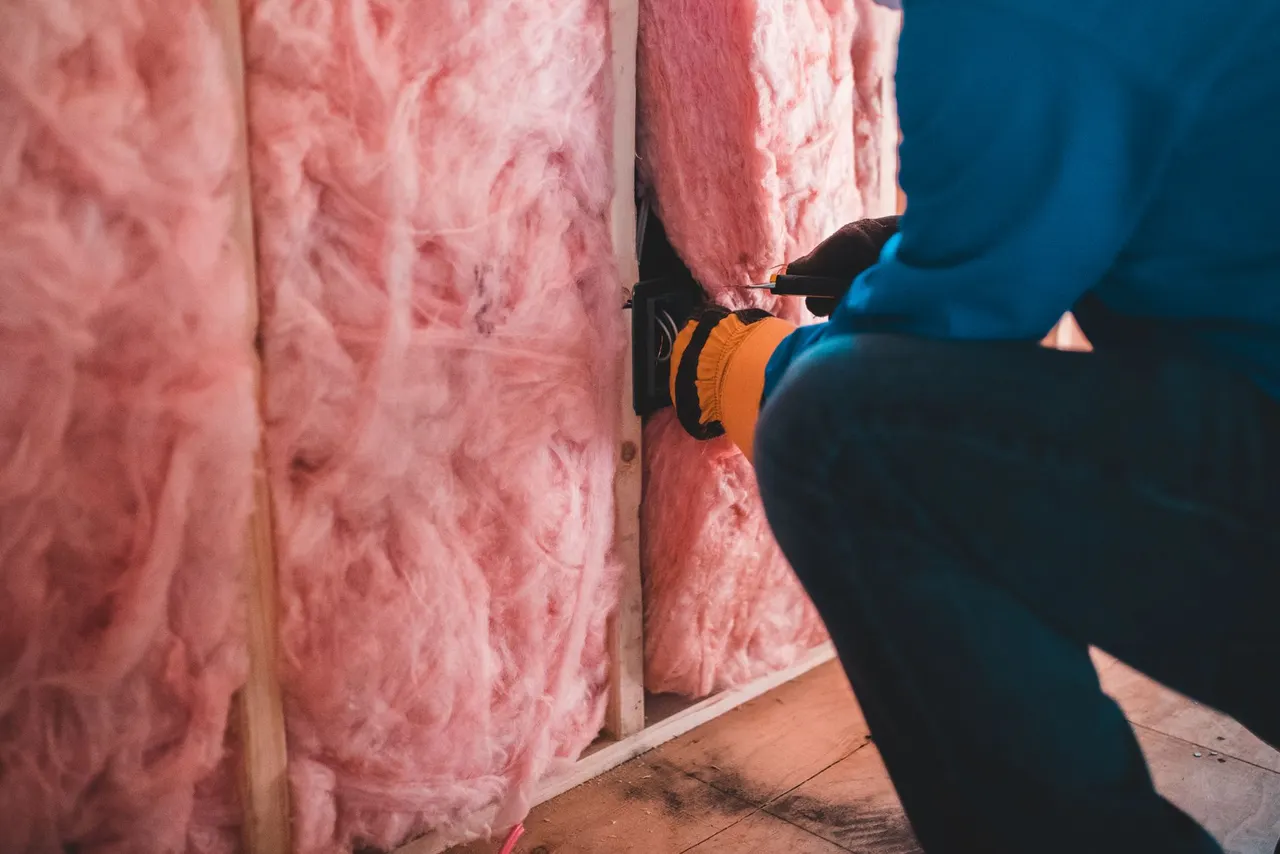
For homeowners
We work in occupied homes every week and keep the attic sealed off from living space. You get a written scope and a photo report when we finish.
- Musty smell upstairs
- Black streaks on trusses
- Bath fan venting into attic
Attic Truss Mold Removal Littleton CO starts with finding the moisture source, not just spraying the stain. We inspect your trusses, sheathing, and insulation with thermal imaging and a moisture meter, then contain the work zone and remove mold from structural wood before it spreads. If you have seen black streaks or smelled a musty odor upstairs, call (720) 953-3834 for a same-day attic truss mold removal near me Littleton assessment.
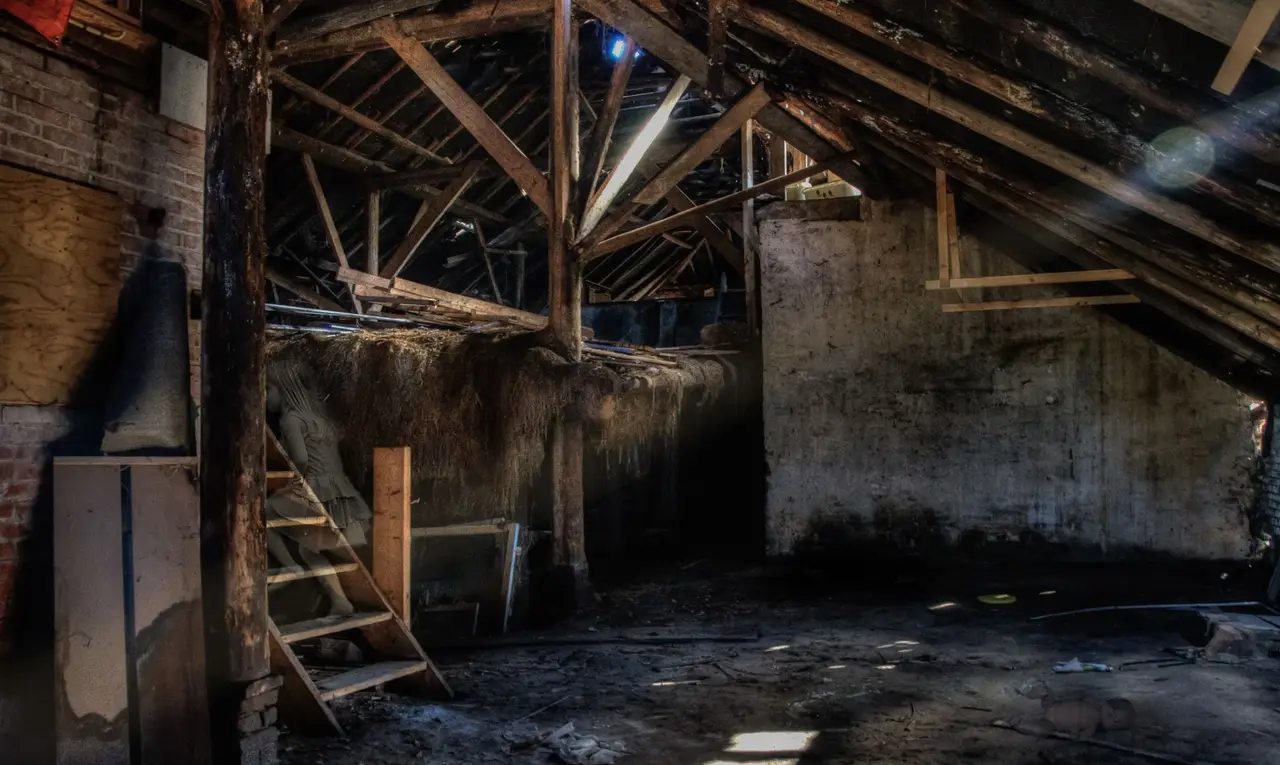 Moisture mappedContained work zonePhoto documented
Every truss mold job includes the inspection, containment, HEPA vacuuming, antimicrobial treatment, and photo documentation. Insulation replacement, roof repair, and ventilation upgrades are quoted separately because they vary widely by attic. You will always see the full scope and price in writing before we start.
Moisture meter, hygrometer, thermal imaging, and boroscope readings on every accessible truss run. You get a plain-language summary of what is mold and what is staining.
Sealed hatch, blocked HVAC returns, negative air machine with HEPA filtration, and drop cloths over insulation and stored items before any removal begins.
Truss faces and connector plates vacuumed, then treated with an EPA-registered antimicrobial spray. Heavily colonized areas get a second fogging pass.
We reseal vent boots, reroute bath and dryer exhaust, and pull insulation off the roof deck so the trusses can dry and stay dry.
Dated before-and-after photos plus moisture readings, formatted for insurance claims, real estate transactions, and your own records.
We re-check moisture content on treated trusses and run air scrubbers until particle counts drop before we pack up and leave.
The approach is the same for a home and a business. What changes is the access, the schedule and who needs the paperwork.
We work in occupied homes every week and keep the attic sealed off from living space. You get a written scope and a photo report when we finish.
We schedule around tenants and operating hours, and provide documentation formatted for insurers and ownership. Multi-unit and mixed-use attics are routine work for us.
A plain-language look at what Attic Truss Mold Removal involves and when it is needed.
See how it worksAttic Truss Mold Removal Littleton CO is a contained remediation process that removes fungal growth from the engineered wood members holding up your roof. We set negative air pressure, HEPA-vacuum the affected bays, apply an antimicrobial spray rated for structural lumber, and dry the trusses back to a safe moisture content. Trusses are engineered, not replaceable with a quick lumber swap, so the work has to be done without cutting or sistering members unless the wood has lost section.
Most Littleton calls we run come from the same three culprits: a roof leak that soaked the sheathing, a bathroom or dryer vent dumping warm humid air into a cold attic, or insulation packed against the roof deck. In Arapahoe County, the freeze-thaw swings from November through March push attic dew points up and down fast, and condensation lands on the north-facing truss runs first. That is why we treat the moisture source as part of the job, not a separate ticket.
Truss mold is a moisture problem first and a mold problem second.

Every job follows the same five stages, whether it is a single bay in a Columbine ranch or a full attic in a Sterling Ranch two-story. You get a written scope before we start and a photo record when we finish.
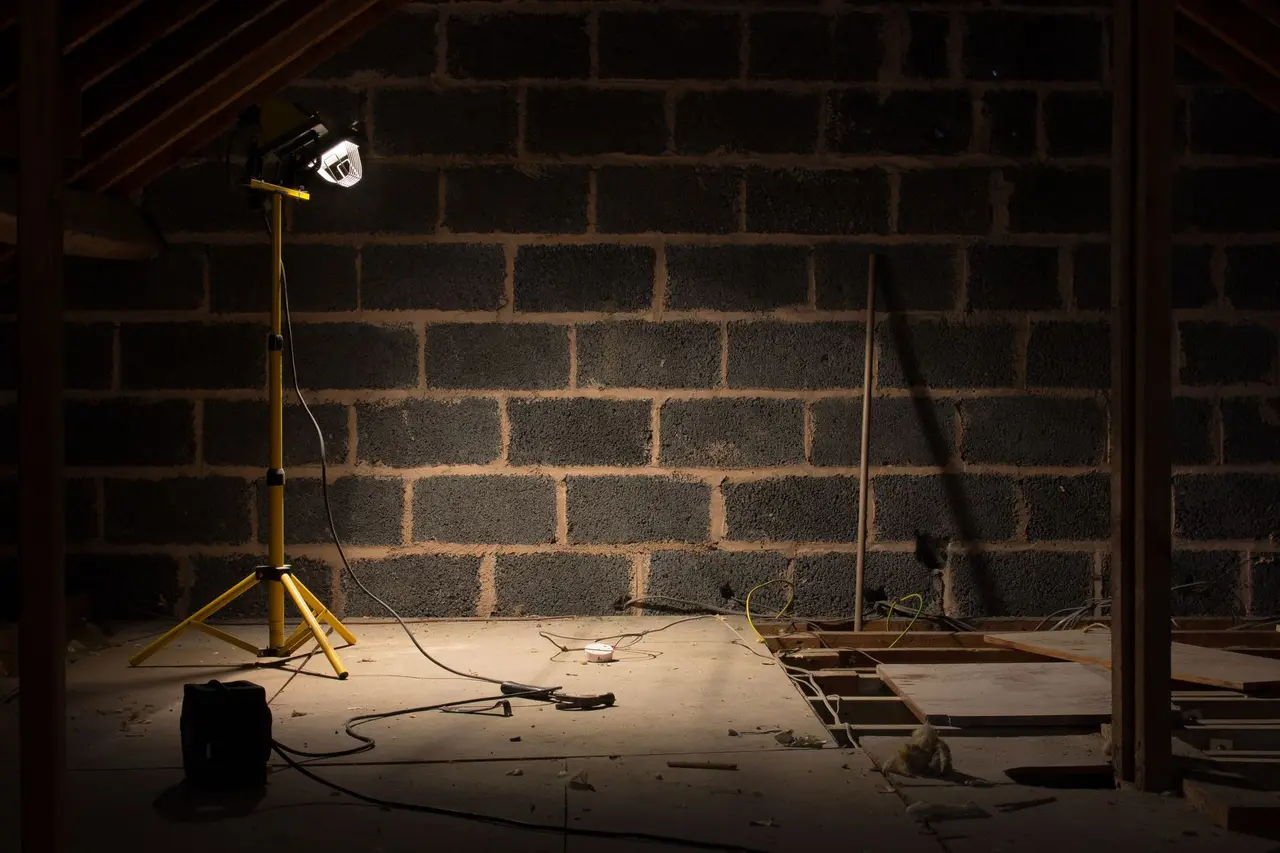
We walk the attic with a moisture meter, hygrometer, and thermal imaging camera, and use a boroscope on any truss run we cannot see clearly. You get a plain-language read on what is mold, what is just staining, and where the water is coming from. Most inspections take 45 to 60 minutes.
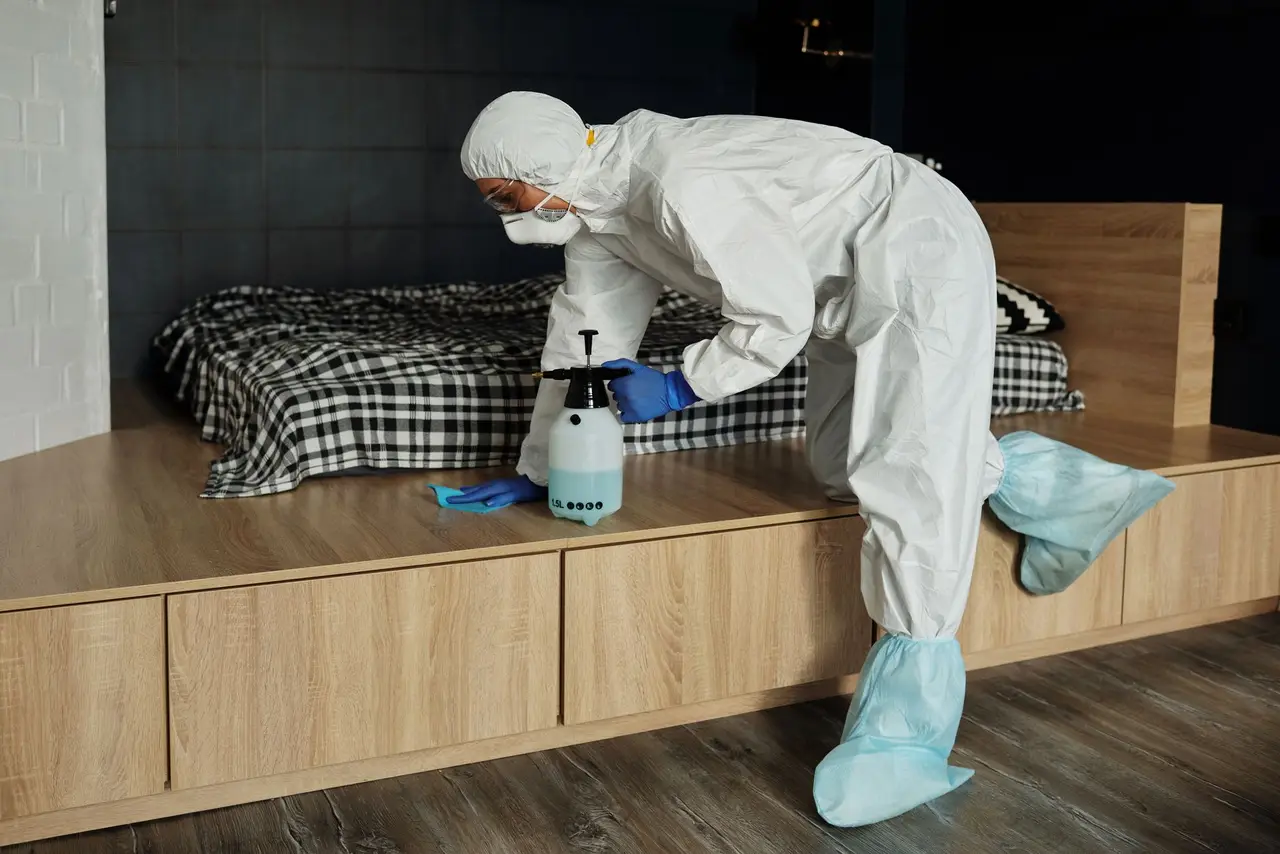
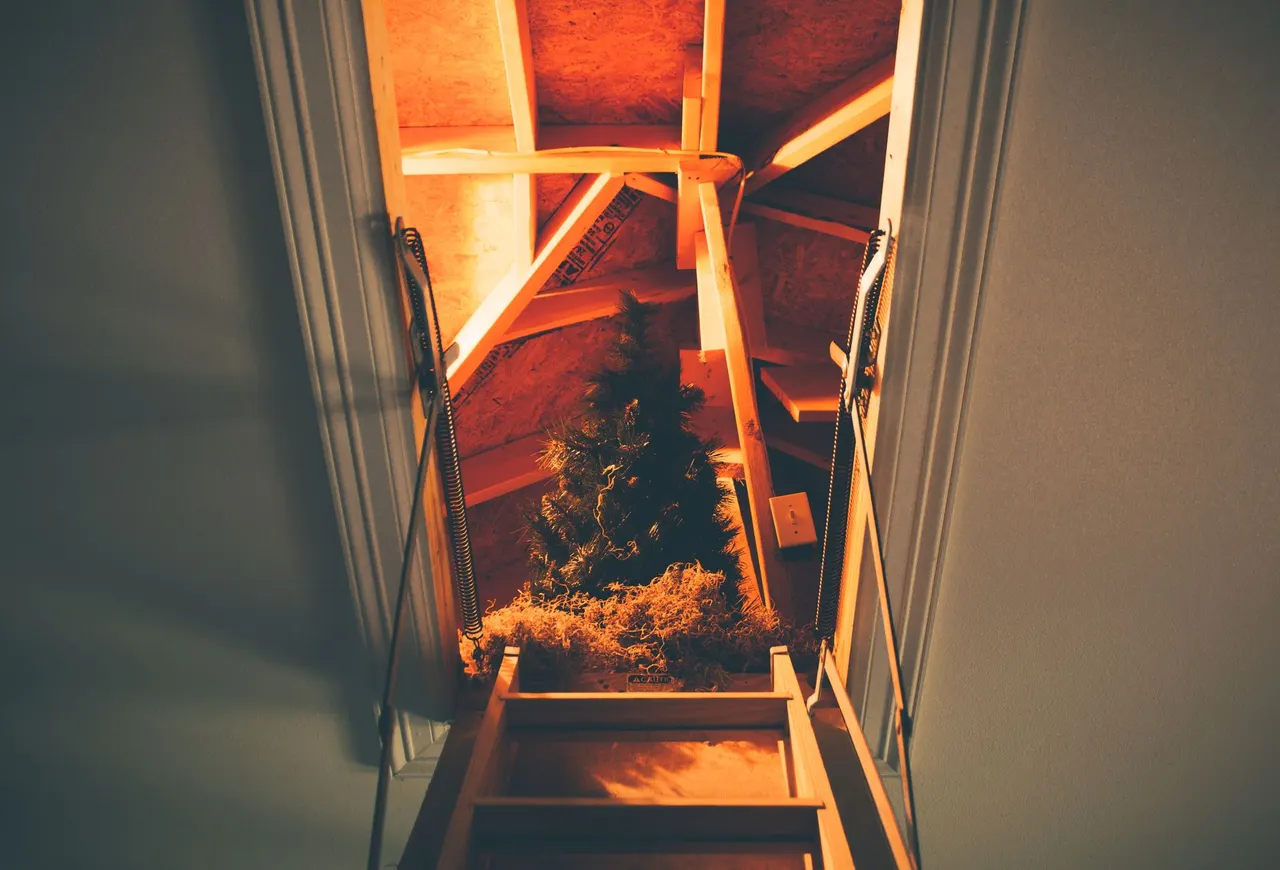
We seal the attic hatch and any HVAC returns, then set a negative air machine with HEPA filtration so spores cannot drift into the house while we work. Drop cloths go down over insulation and stored items. Setup usually runs 30 to 45 minutes.
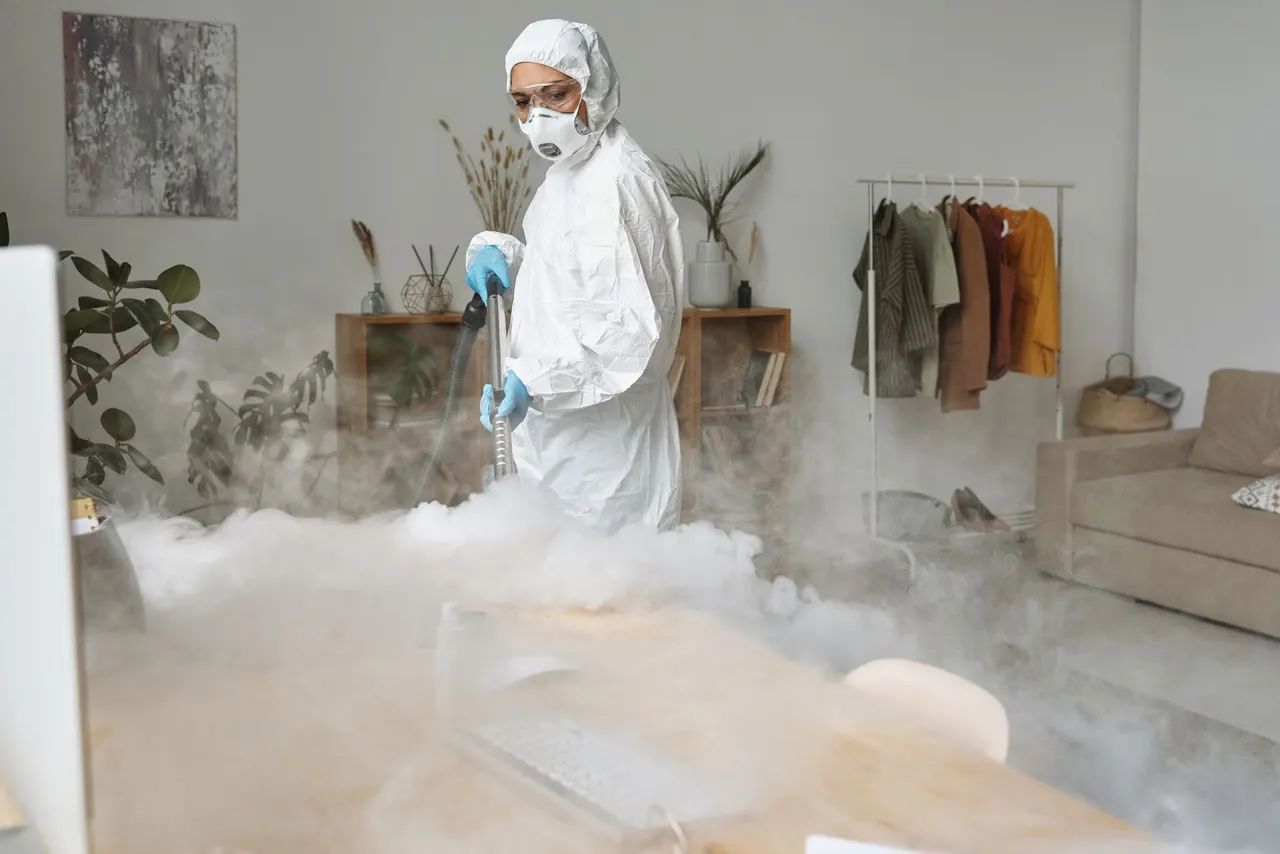
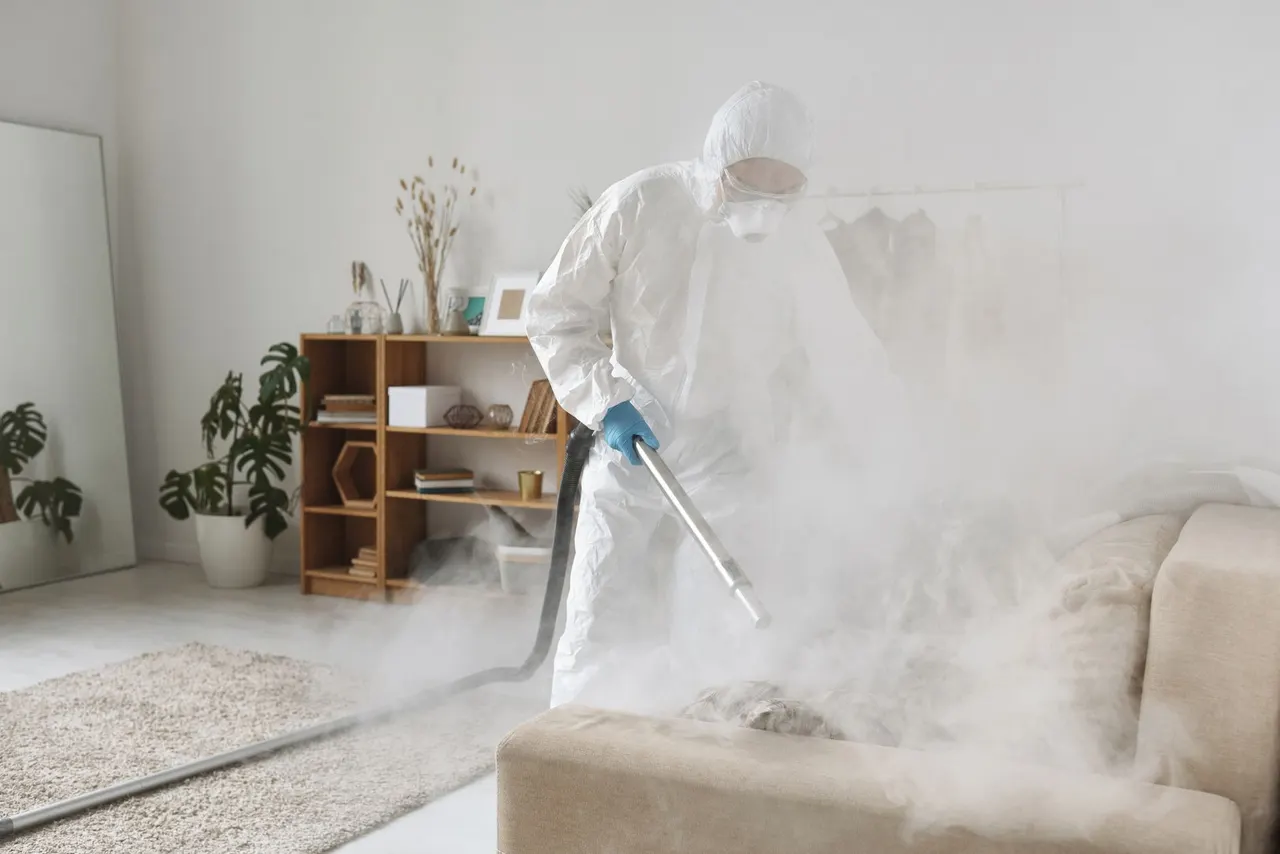
Technicians HEPA-vacuum the truss faces and plates, then apply an antimicrobial spray to the affected wood. Heavily colonized areas get a second pass with a fogger. We do not sand trusses dry, because that just aerosolizes spores. Removal on a typical 1,200 square foot attic takes four to eight hours.
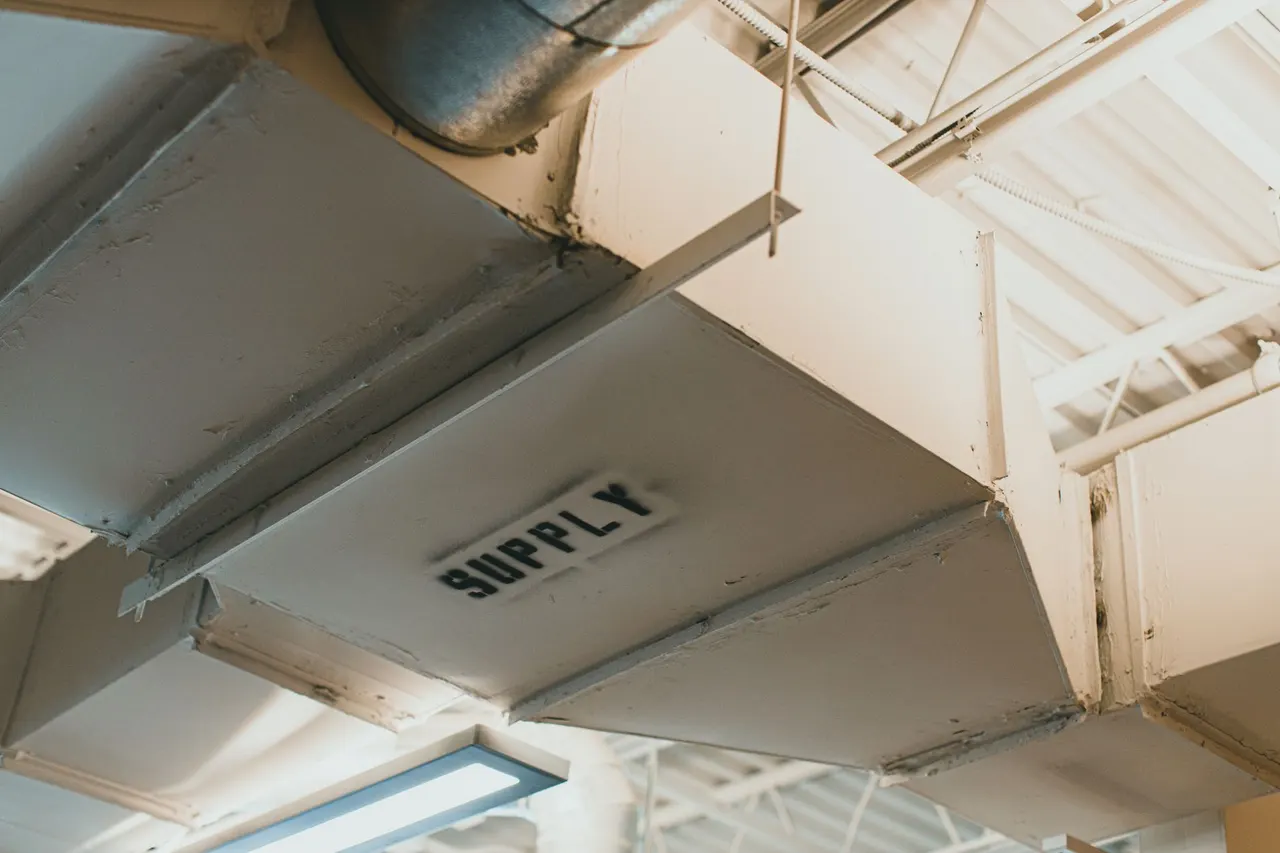
While the attic is open, we fix what caused the problem: reseal a vent boot, reroute a bath fan to the exterior, pull insulation back off the roof deck, or add intake ventilation. This is the step that keeps the mold from returning next winter.
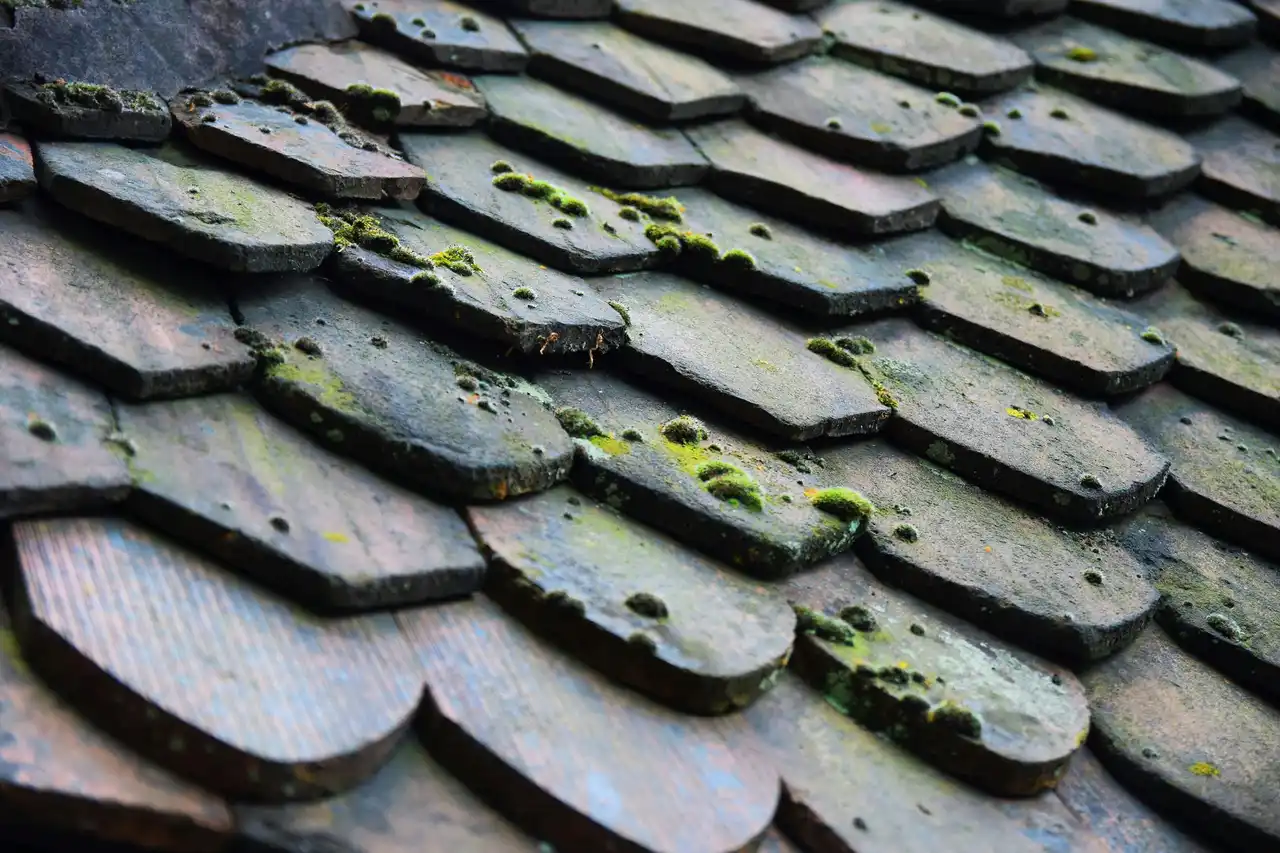
We re-check moisture content on the treated trusses, run the air scrubber until particle counts drop, and hand you a photo report with before-and-after shots and moisture readings. If you want third-party clearance testing, we can schedule it.

Move across a circle, or focus it and press Enter, for an illustrative thermal view of the photograph.
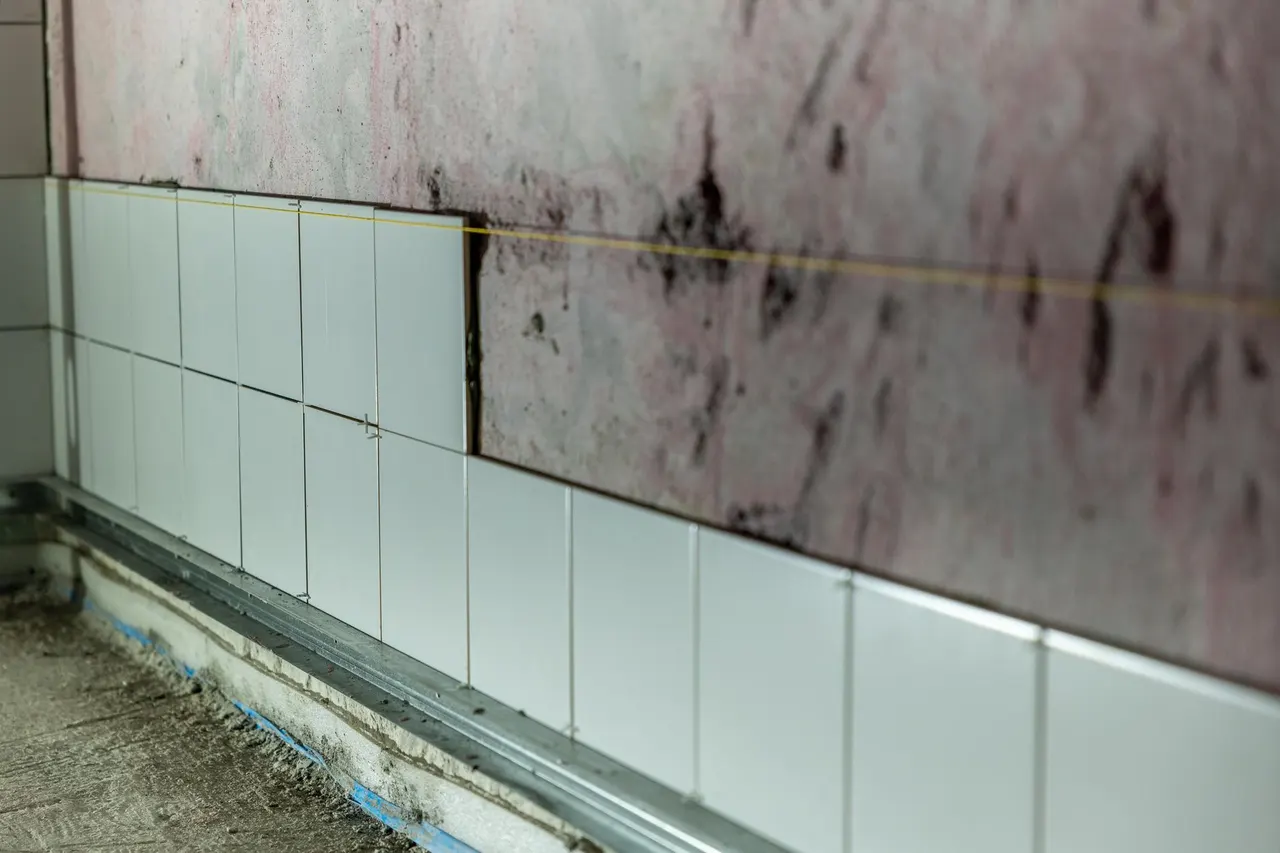
Finds temperature differences that reveal hidden roof leaks, wet sheathing, and moisture behind insulation before it becomes visible mold.
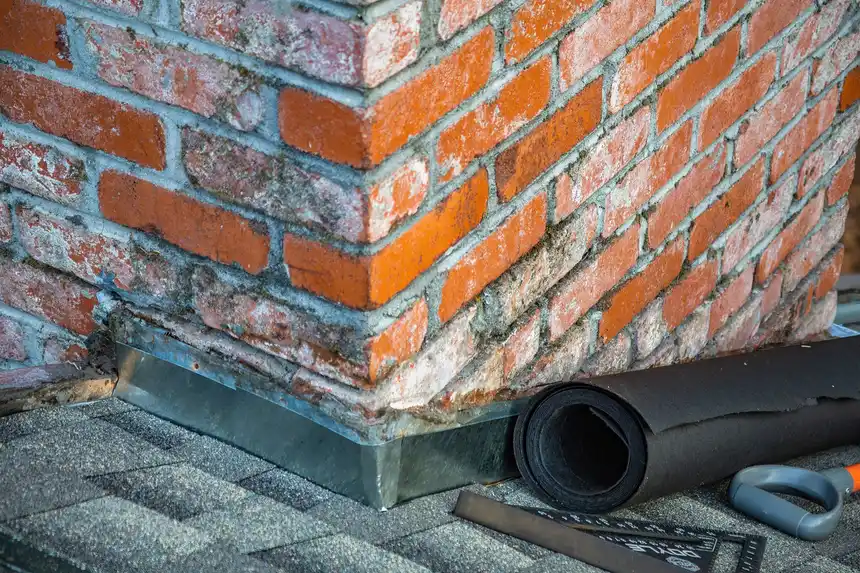
Measures wood moisture content and attic relative humidity so we can confirm whether trusses are actually wet or just stained.

Lets us see behind insulation and inside tight truss bays where a camera cannot reach, so nothing gets missed during inspection.
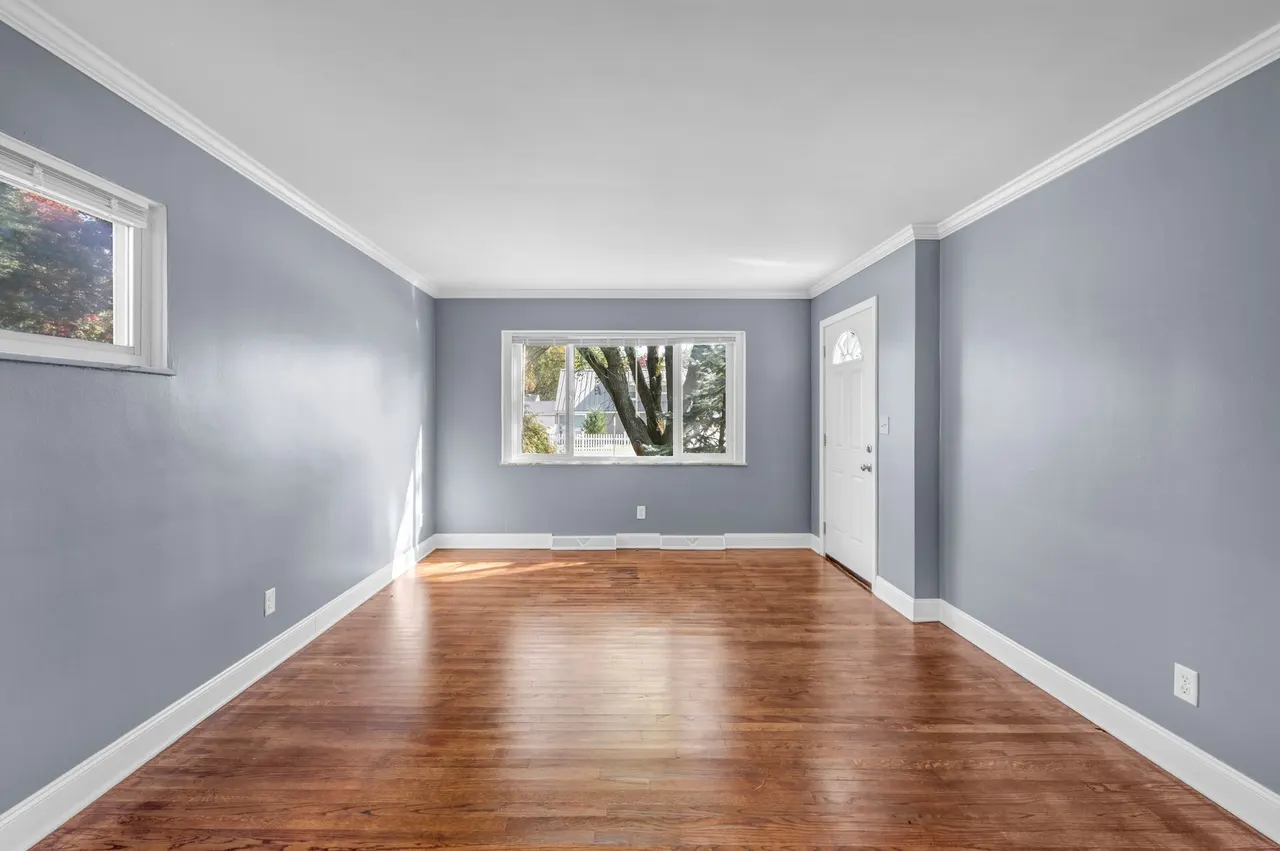
Removes settled spores from truss faces and connector plates without aerosolizing them into the attic air.

Maintains containment pressure and filters airborne particles throughout the job so spores stay out of living space.
Thermal views are illustrative, generated from the photographs.
Applies antimicrobial treatment evenly across truss runs and hard-to-reach areas where spray alone would miss.
EPA-registered treatments safe for structural wood, used to stop growth and prevent rebound on treated trusses.
We follow the industry standard for mold remediation, including containment, removal, and verification steps, so the work holds up to third-party review.
Sealing the attic and running a negative air machine keeps spores from drifting into the house while we vacuum and treat the trusses.
We chart moisture content across every accessible truss and sheathing bay so the scope reflects the actual affected area, not a guess.
We fix the leak, ventilation, or insulation issue driving the moisture before we close the job, so the mold does not come back next season.
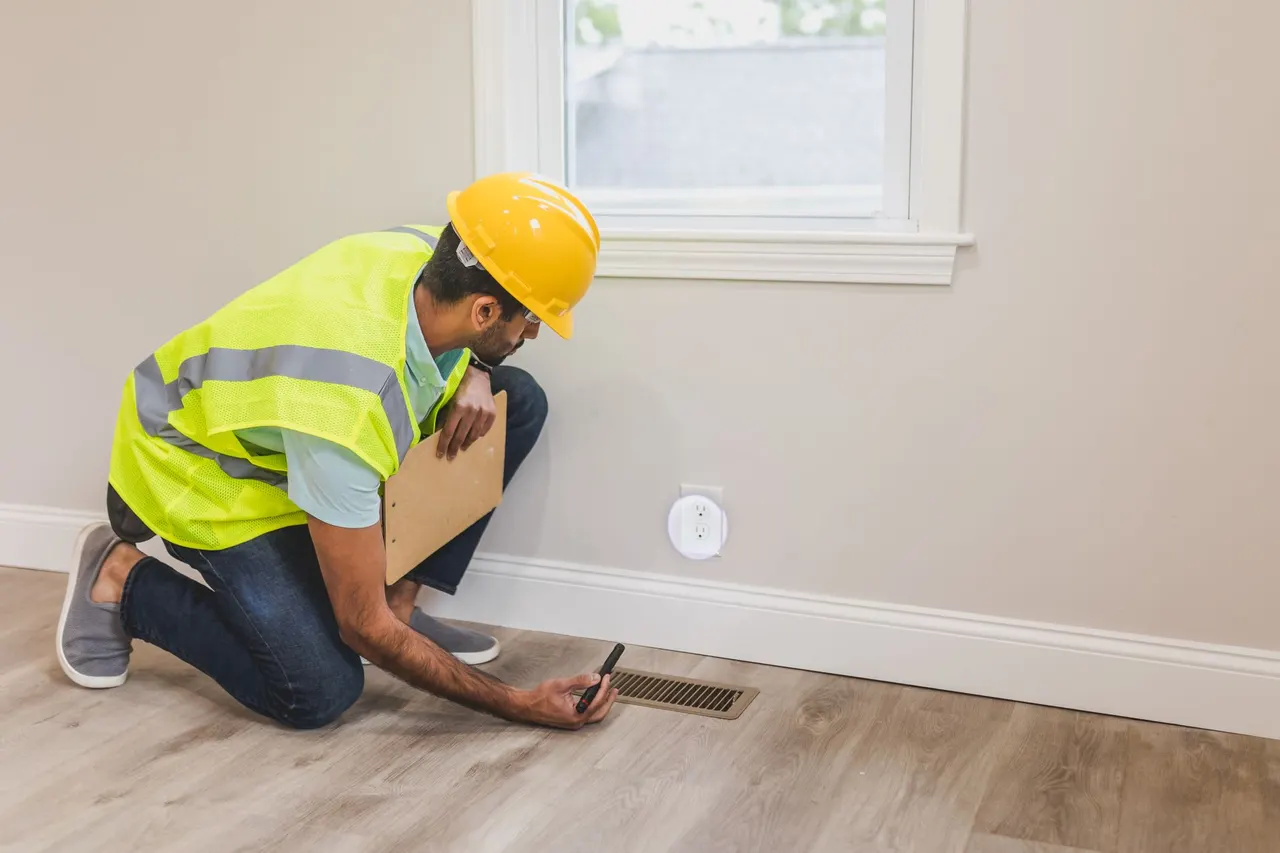
You found black streaks on the trusses after a spring roof leak in Ken Caryl.
We inspect the affected bays, contain the area, HEPA-vacuum and treat the wood, and repair the leak point so the trusses can dry out properly.
Outcome: Trusses read dry on the moisture meter, the staining is gone, and you have a photo record for your insurance file.

A home inspector flagged attic truss mold two weeks before closing in Columbine.
We prioritize real estate timelines, inspect within 24 hours, and provide a written scope plus completion documentation the buyer and lender can review.
Outcome: The closing stays on schedule and the buyer gets a documented remediation instead of a credit request.
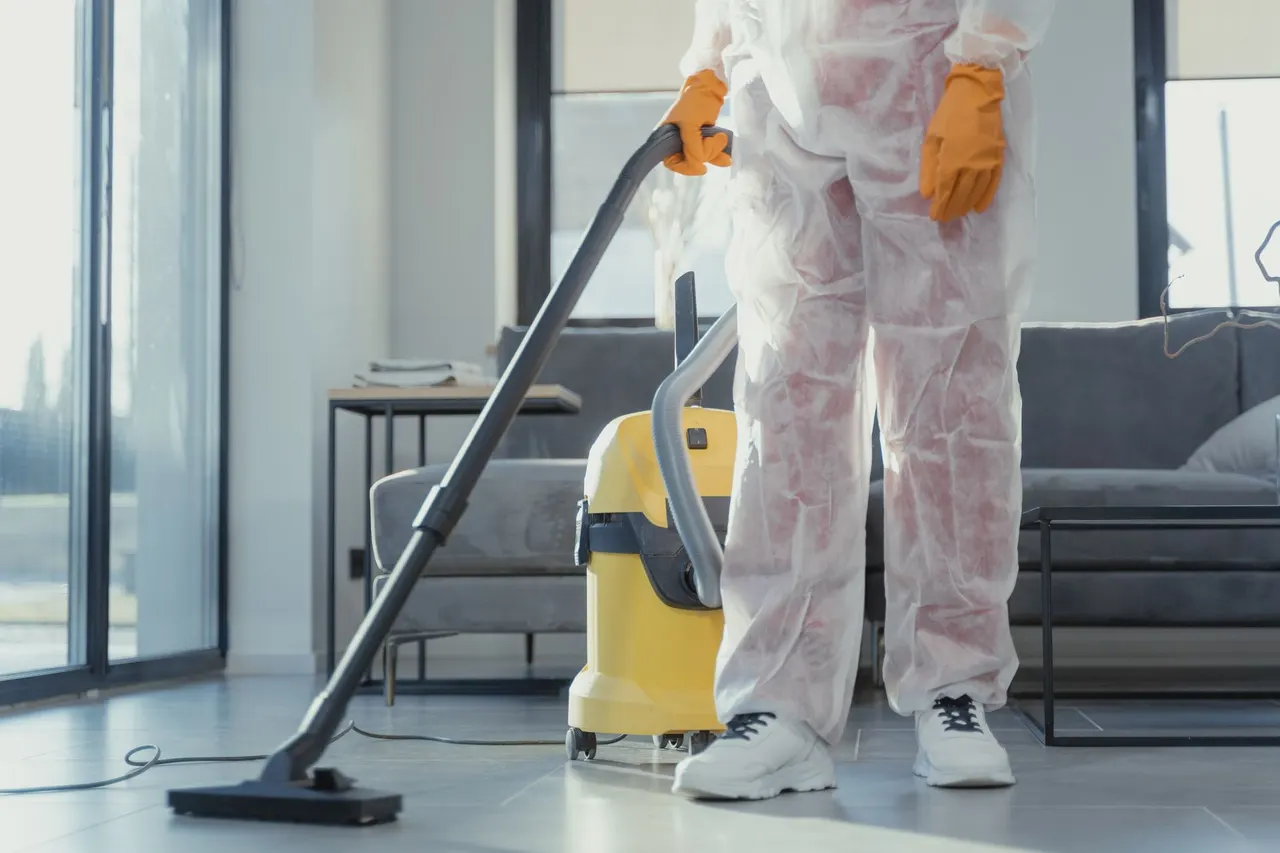
Your upstairs smells musty every winter and someone in the house has asthma.
We run containment and HEPA filtration continuously, treat the trusses, correct the ventilation, and verify air quality before we leave.
Outcome: The odor is gone, spore counts drop, and the household breathes easier through the heating season.

You are a landlord with a rental in Littleton Village and a tenant reported a smell.
We inspect between tenants, scope the work, remediate under containment, and hand you documentation you can share with the next renter or your insurer.
Outcome: The unit is rent-ready with a clean attic and a paper trail that protects you.

Your attic humidity has been running high and you want it checked before it becomes a mold problem.
We inspect with a hygrometer and thermal camera, identify the moisture sources, and recommend ventilation or insulation corrections before growth starts.
Outcome: You catch the issue early and avoid a full remediation down the road.
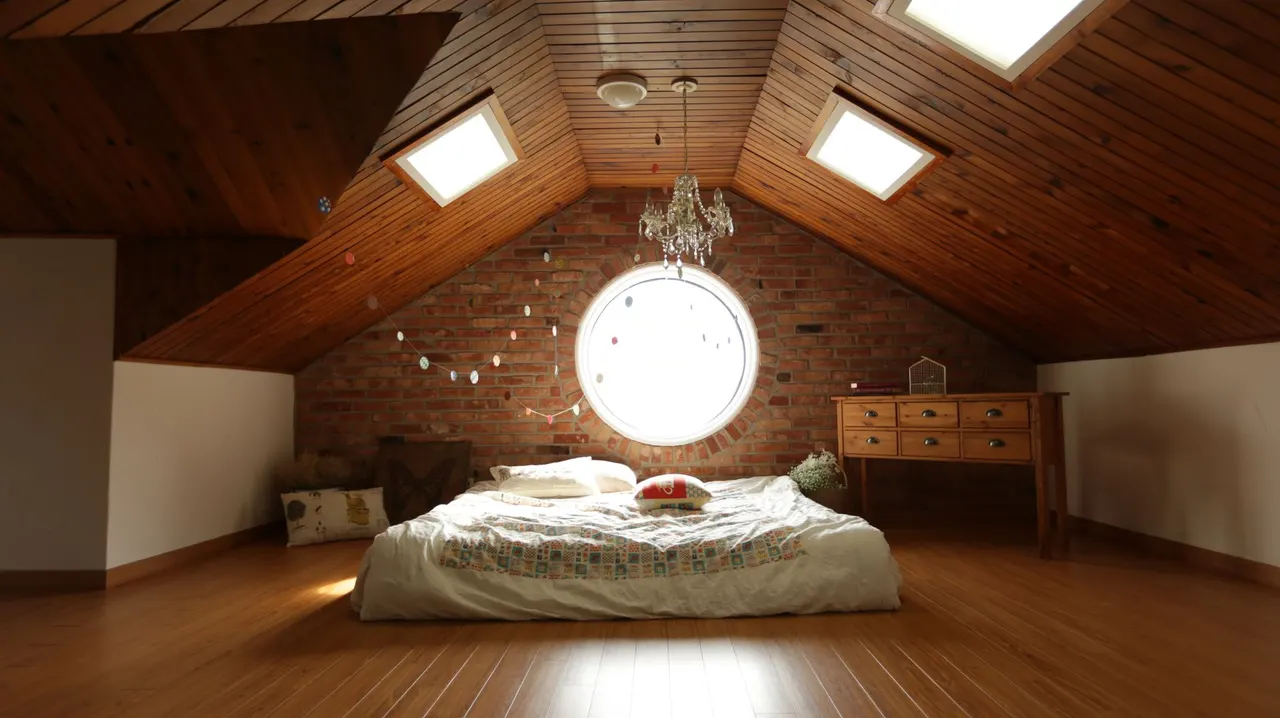
Littleton attics deal with two moisture seasons. From November through March, freeze-thaw cycles push attic dew points up and down, and condensation forms on the coldest surfaces first, which is usually the north-facing truss runs and the roof sheathing above them. From July through September, monsoon humidity does the same thing from the other direction.
Older homes in Historic Downtown Littleton and Columbine often have bath fans venting straight into the attic, which makes the problem worse. Newer builds in Sterling Ranch and TrailMark tend to have tighter envelopes, so any roof leak shows up as mold fast. We size containment and drying equipment for the actual attic volume, not a rule of thumb, and we check moisture content before and after treatment.
If you are looking for professional attic truss mold removal Littleton, Colorado, we can usually inspect within a day and have a written scope in your hands the same afternoon.
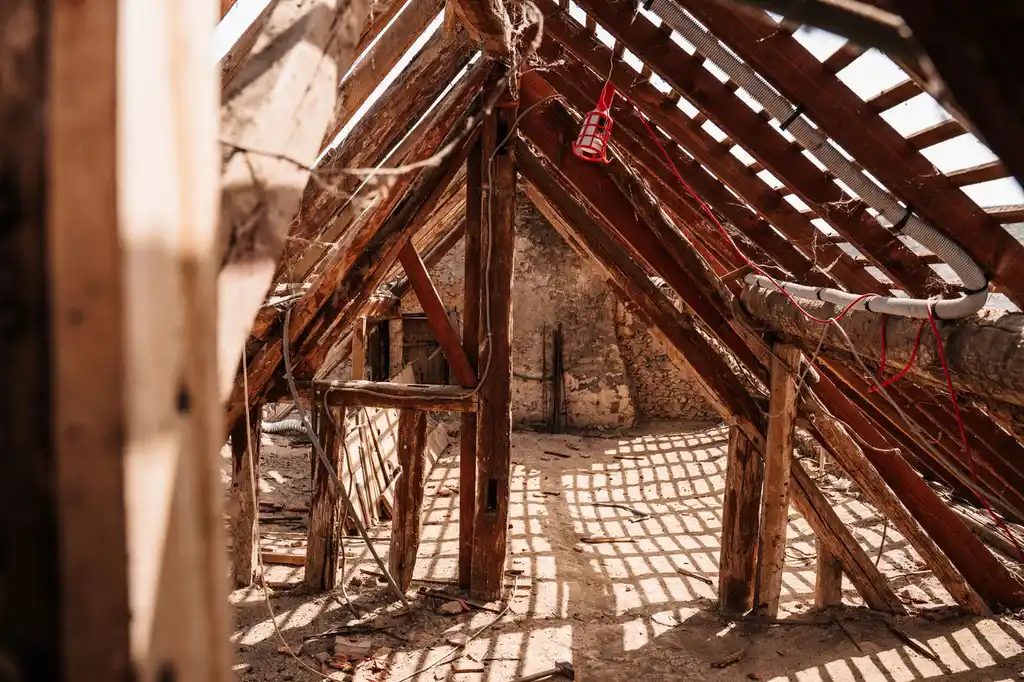
Before: A spring roof leak soaked six truss bays and the surrounding sheathing. Black staining covered the wood and the attic smelled musty every time the furnace ran.
After: Containment, HEPA vacuuming, and antimicrobial treatment cleared the growth. Moisture readings on the treated trusses dropped to normal within 48 hours, and the leak point was repaired.
We recommended an annual attic check each fall and a roof inspection after any hail event, which is standard for Ken Caryl.
Before: A 1950s ranch had mold across the trusses and insulation packed against the roof deck. The bath fan was discharging straight into the attic, adding moisture with every shower.
After: We rerouted the fan to the exterior, pulled insulation back to create an air channel, treated the trusses, and replaced the affected insulation. Moisture content came back into range within two days.
Keep the new vent termination clear of snow and check the attic humidity once each winter.
Before: A home inspector flagged truss mold ten days before closing. The buyer's lender wanted documentation before funding.
After: We inspected the next morning, scoped the job that afternoon, and completed remediation in three days with a full photo report and moisture readings. The closing stayed on schedule.
The new owners should check the attic after the first heating season and keep an eye on roof penetrations.
Most truss mold calls come down to water getting in or humidity getting trapped. Here are the problems we see most often and how we handle each one.
Dry trusses, clean wood, and a documented fix you can show anyone.
Engineered trusses carry your roof load with metal plates and thin members. Surface mold left alone can pit the wood and weaken plate grip. We remove growth from structural wood, treat the members, and document moisture content so you have a record of the truss condition for your file.
That smell in the upstairs hallway is microbial volatile compounds, not dust. After we HEPA-vacuum and treat the trusses, we fog the attic with a plant-based antimicrobial and run an air scrubber until the odor is gone. Most customers notice the difference the same day.
Removing mold without fixing the moisture is a callback waiting to happen. We trace roof leaks, bath fan discharge, and insulation contact with a thermal imaging camera and hygrometer, then correct what we find so the trusses stay dry through the next snowmelt.
If someone in the house has asthma or seasonal allergies that get worse indoors, attic truss mold removal for health concerns Littleton is a common reason people call us. We contain the work, filter the air, and leave the attic cleaner than we found it, which lowers the spore load reaching living space.
What a written scope covers and what shapes it. Prices are set by the business after the first look.
Included
Depends on
Clear records you can keep and share.
Dated before-and-after images of treated trusses
Readings taken before and after treatment
Areas treated and methods used
What caused the moisture and what was corrected
Not every dark streak on a truss is the same problem, and the treatment differs.
Mold on the face of the wood
Growth that has penetrated the grain
Softened or cracked members
A list like this tells people straight away whether you cover their street. Not listed? Call and ask: it only takes a minute.
Based in Littleton and covering the places around it. Pick one for local details.
Price depends on the square footage affected, how many truss bays are colonized, whether insulation has to be replaced, and whether we are also correcting a roof leak or ventilation problem. Small, single-bay jobs with no insulation damage land at the low end.
Yes, if it stays wet long enough. Surface mold alone rarely compromises a truss, but prolonged moisture can soften the wood fibers around metal connector plates and reduce the plate's grip. We check moisture content on every truss we treat and flag any member that has lost section, so you know whether you are looking at a remediation or a repair.
The correct sequence is contain, HEPA-vacuum, treat, dry, and fix the moisture source. Spraying bleach or painting over the trusses without removing the spores and correcting the water intrusion just hides the problem. Our crews set negative air pressure, vacuum the wood, apply an EPA-registered antimicrobial, and verify moisture content before we close the job.
Replacement is rarely needed. In most Littleton attics we treat, the trusses clean up and stay in service. Replacement comes into play only when a truss has visible rot, a cracked member, or a connector plate that has pulled loose. When that happens, we document it and bring in a structural contractor rather than guessing.
Other services from the same team.
If you have seen black streaks on your trusses or smelled something musty upstairs, get it looked at before the next snowmelt. Call (720) 953-3834 and we will schedule an inspection, walk you through what we find, and give you a written scope before any work starts.
Call (720) 953-3834 or email us and we will schedule an attic inspection, usually within a day or two. We work Monday through Friday, 8am to 6pm, and we answer the phone ourselves. If you have a leak or storm damage, tell us and we will prioritize the call.