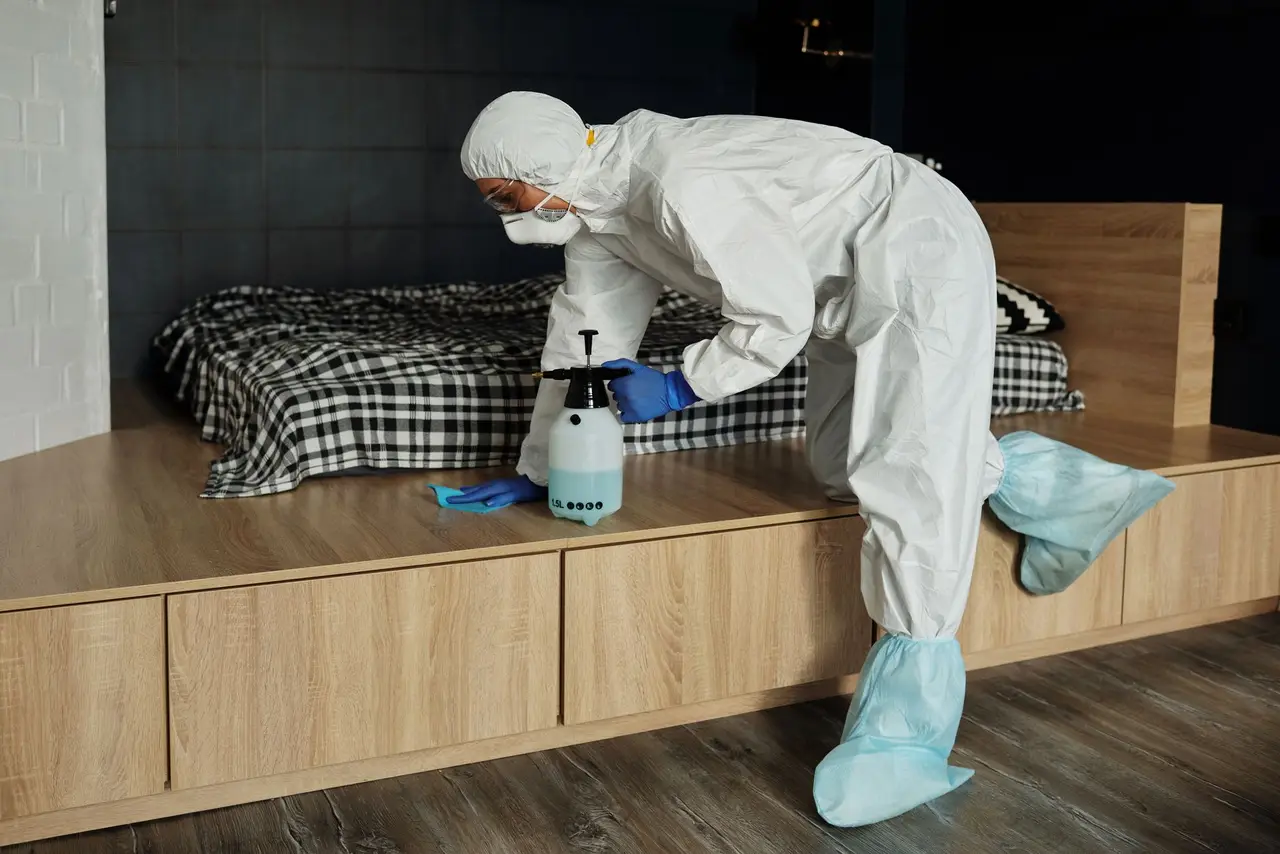
For Homes
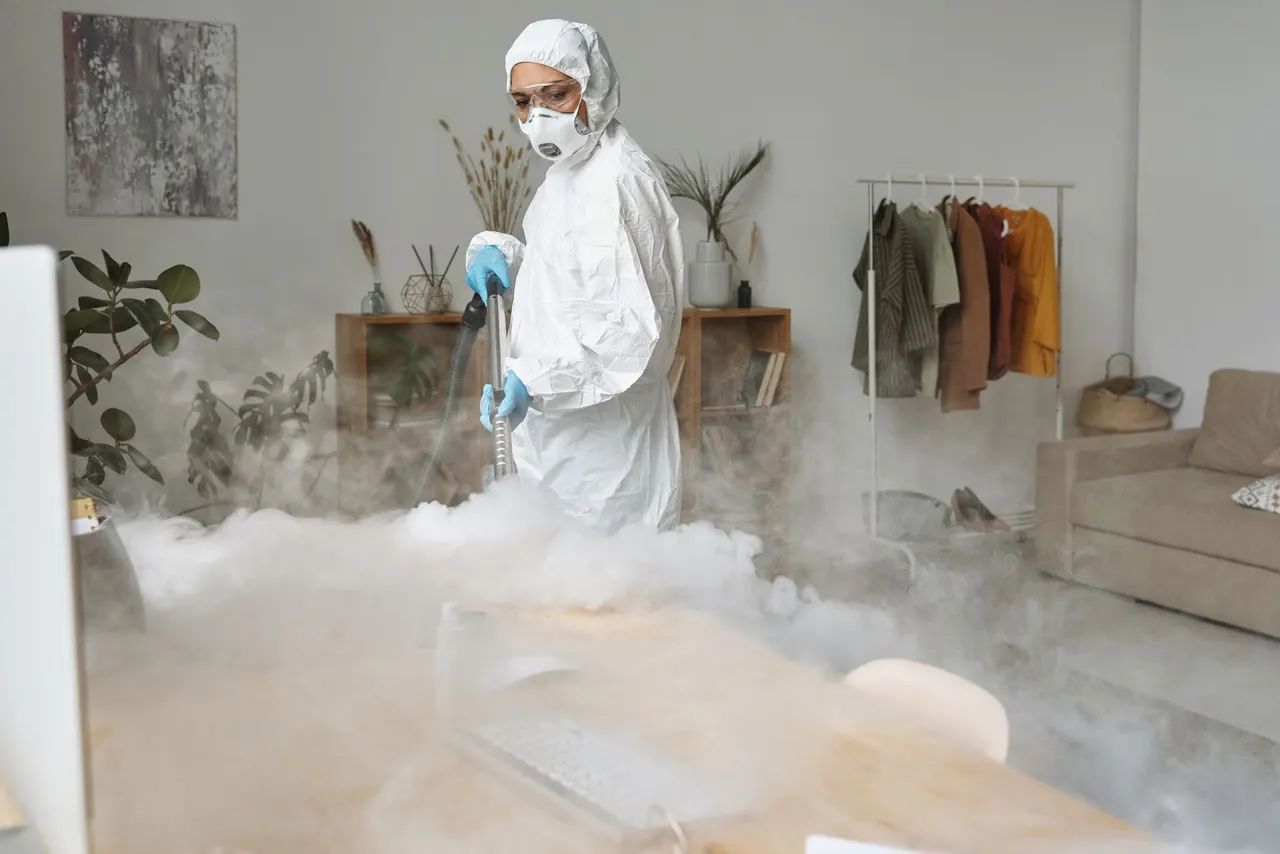
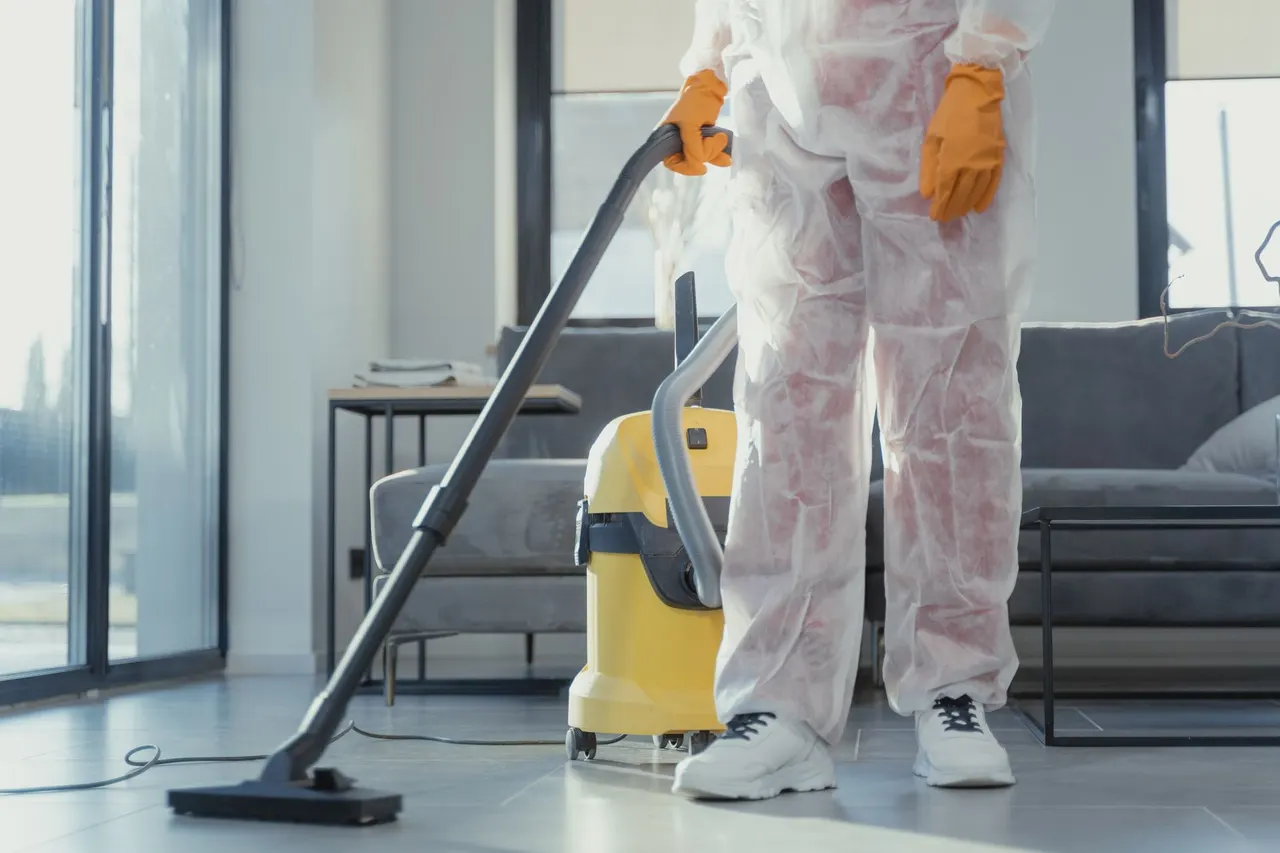
We work in occupied homes every day and keep the mess in the attic. You get a written scope before we start and a photo report when we finish.
- Musty smell upstairs
- Staining on sheathing
- Allergy symptoms in winter
Residential Attic Mold Removal in Littleton means finding the roof leak or ventilation failure feeding the growth, removing the mold, and restoring the attic to a dry, code-correct condition. Our team handles home attic mold remediation in Littleton for single-family homes, townhomes, and rentals across Arapahoe County. If you smell musty air upstairs or spotted dark staining on the roof sheathing, call (720) 953-3834.
 Moisture mappingContainment setupPhoto documentation
Every job includes the core remediation work: inspection, containment, removal, treatment, and documentation. Repairs to the moisture source, like roof leaks or ventilation upgrades, are quoted separately so you can see exactly what you are paying for. Here is what you get on a standard Littleton attic job.

Moisture meter, thermal imaging camera, hygrometer, and boroscope walk-through. We map every wet zone and identify the moisture source before we quote the work.
6-mil poly containment at the attic hatch and penetrations, plus a negative air machine and HEPA air scrubber running for the duration of the job. Spores stay in the attic, not in your living room.
Every surface HEPA vacuumed, contaminated insulation bagged and disposed of, and rotted sheathing or framing removed where structural integrity is compromised.
Concrobium, Benefect, or RMR-86 applied to sheathing, trusses, ductwork, and any remaining framing. This is the kill step that stops regrowth on treated surfaces.
Roof leak repair, bath and dryer vent rerouting, and ventilation fan upgrades. Without this step, the mold comes back within a season.
Before, during, and after photos, logged moisture readings, and a written report. This is what insurance adjusters and real estate buyers want to see.
The approach is the same for a home and a business. What changes is the access, the schedule and who needs the paperwork.
We work in occupied homes every day and keep the mess in the attic. You get a written scope before we start and a photo report when we finish.
We work with landlords and property managers to remediate between tenants or during occupancy. Documentation is provided for every unit we touch.
A plain-language look at what Residential Attic Mold Removal involves and when it is needed.
See how it worksResidential Attic Mold Removal in Littleton is a moisture-control and remediation service that removes fungal growth from roof sheathing, trusses, insulation, and ductwork, then corrects the condition that caused it. We start with a moisture meter and thermal imaging camera to map wet zones, then use a boroscope to check behind insulation batts and inside chases. Growth gets contained with a negative air machine and air scrubber, HEPA vacuumed, treated with an antimicrobial spray, and documented with photos before and after.
Littleton sits at 5,400 feet, and the freeze-thaw cycles along the Front Range push warm, moist air into attics all winter. That condensation lands on cold roof sheathing and feeds black mold within weeks. We see it constantly in 1970s and 1980s builds around Columbine and Ken Caryl where bath fans vent straight into the attic instead of through the roof. If you have been searching for residential attic mold removal near me Littleton, the fix starts with stopping that moisture, not just spraying the stain.
Attic mold is a moisture problem first and a mold problem second.
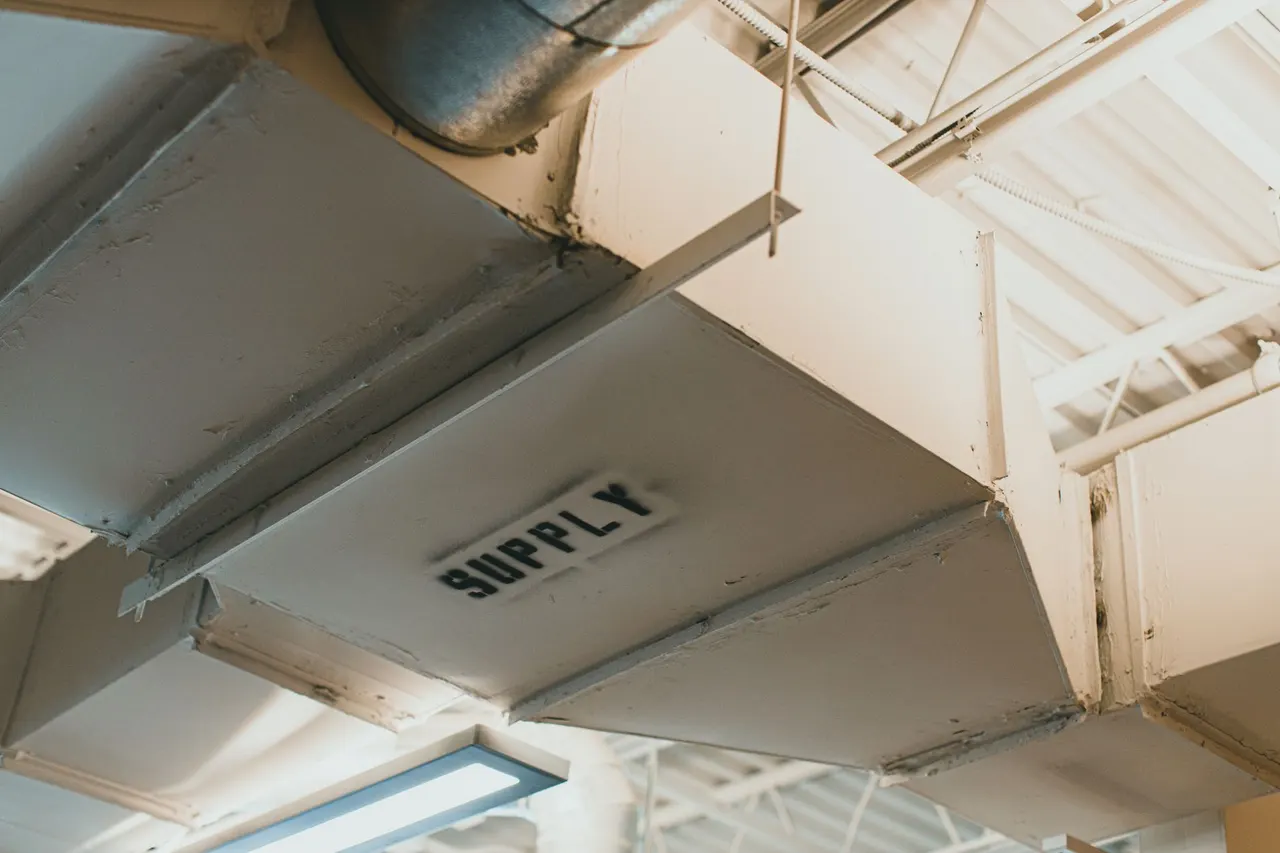
Every job follows the same five steps, whether it is a 900-square-foot ranch in Heritage or a 4,000-square-foot two-story in Ken Caryl. You get a written scope before we start and a photo report when we finish.
We walk the attic with a moisture meter, hygrometer, and thermal imaging camera to find every wet zone. A boroscope checks behind insulation and inside duct chases. Air samples go to a lab when you need documentation for insurance or a health concern. Expect 45 to 90 minutes on site.
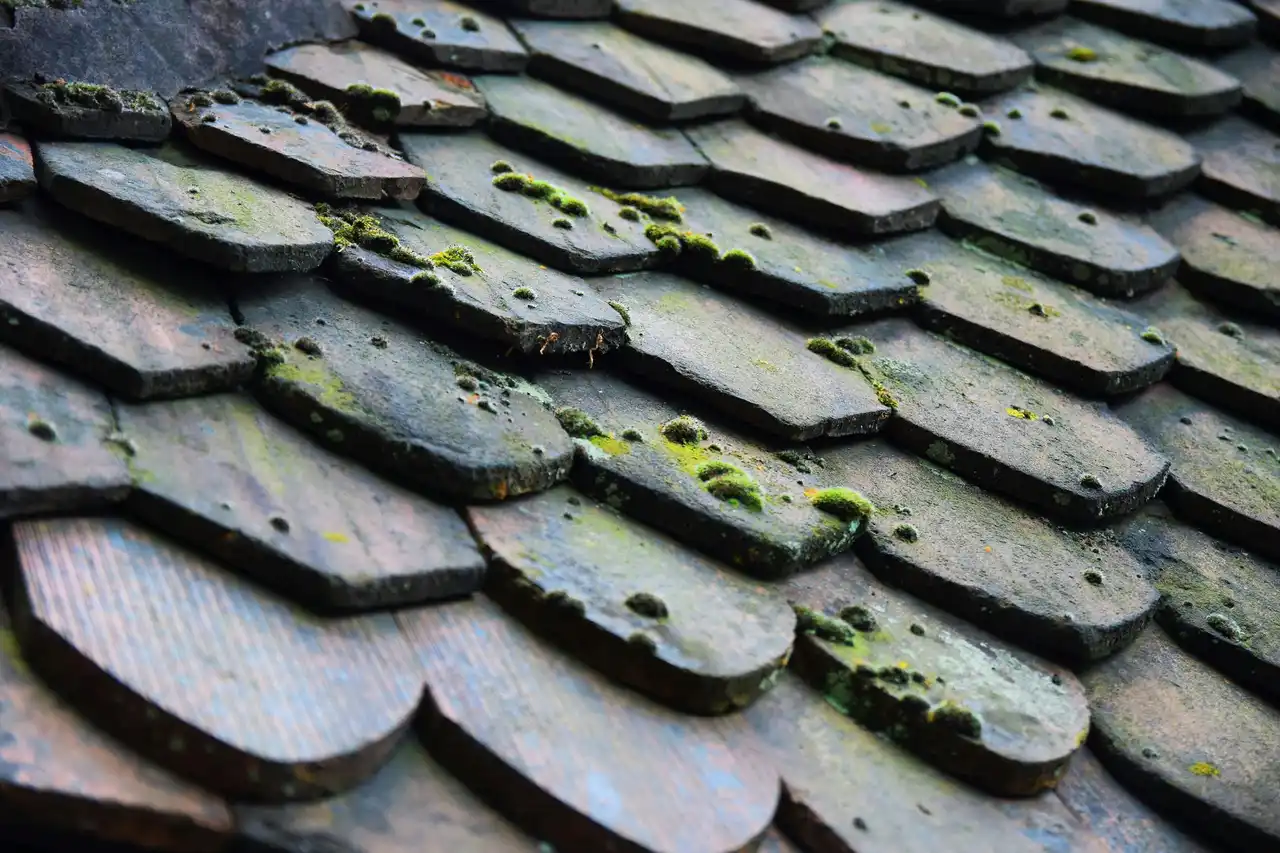
We seal the attic hatch and any open penetrations with 6-mil poly, then run a negative air machine and air scrubber with HEPA filtration. This keeps spores from drifting into your living space while we work. Setup takes about 30 minutes on a typical Littleton home.
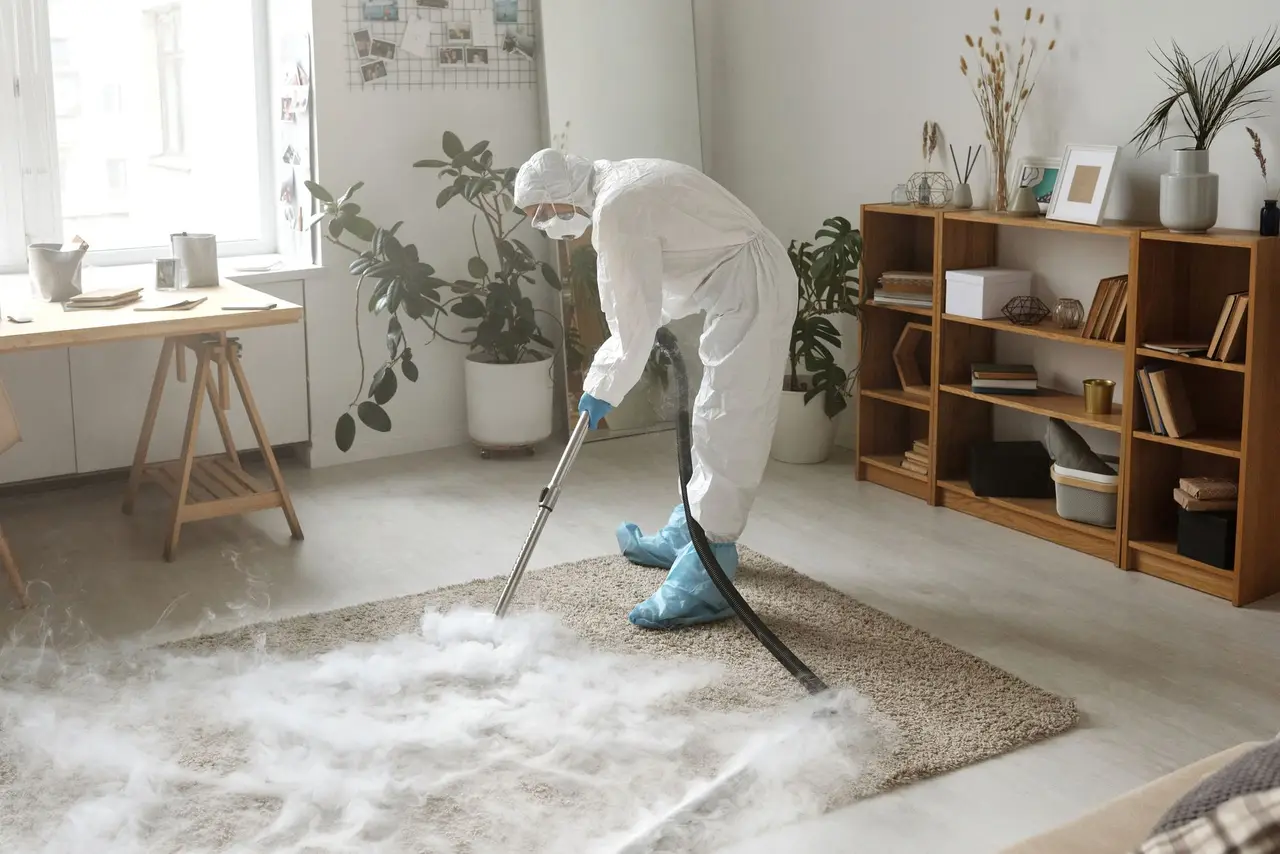
Contaminated insulation comes out in sealed bags. We HEPA vacuum every surface, then apply an antimicrobial spray such as Concrobium or Benefect to sheathing, trusses, and ductwork. Severely rotted sections get removed and replaced. This is the longest phase, usually 3 to 8 hours.
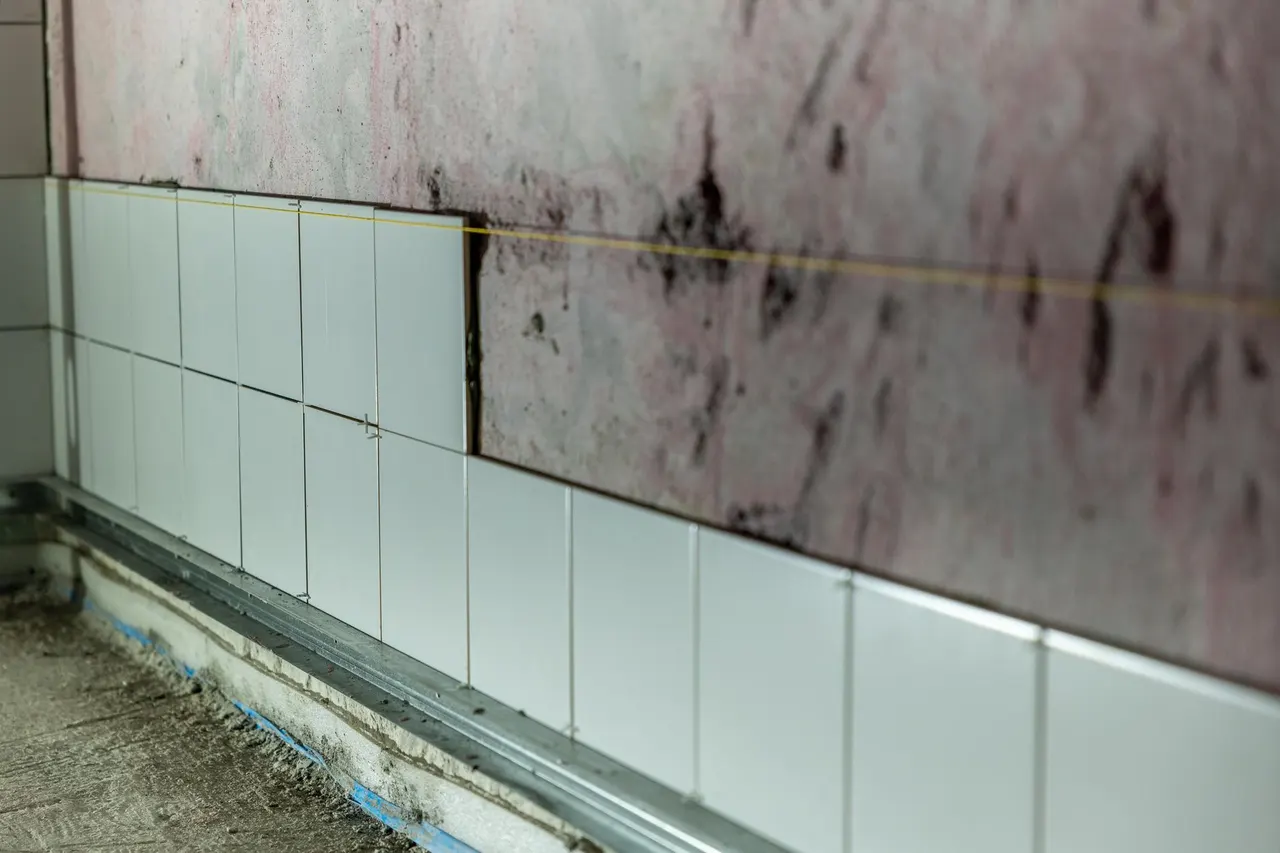
Mold comes back if the water does. We repair roof leaks, reroute bath and dryer vents through the roof, and install or upgrade ventilation fans and intake vents. If your attic needs more airflow, we size and install the right system for your square footage and roof pitch.
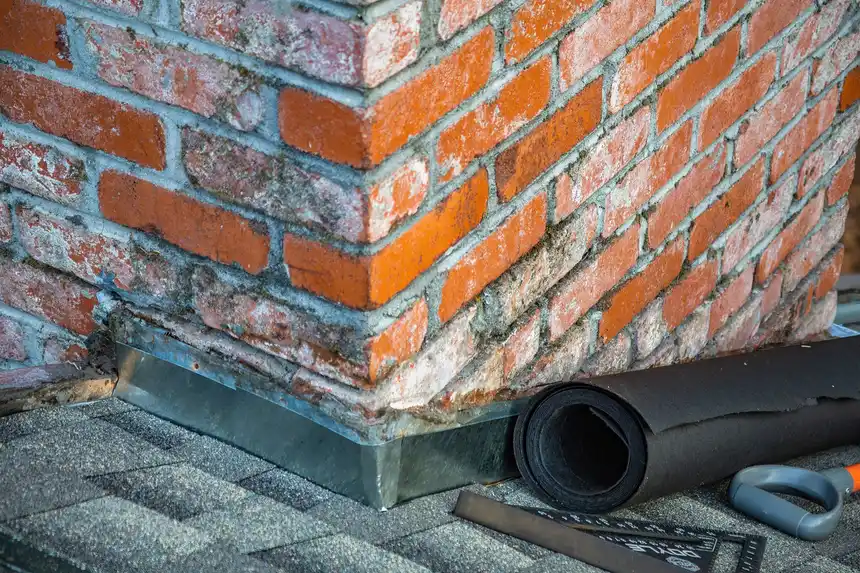
We re-check moisture levels with the hygrometer, confirm the attic is dry, and take clearance photos. You get a written report with before-and-after images, moisture readings, and a list of what was treated. Most jobs wrap in one day; larger attics take two.

Move across a circle, or focus it and press Enter, for an illustrative thermal view of the photograph.
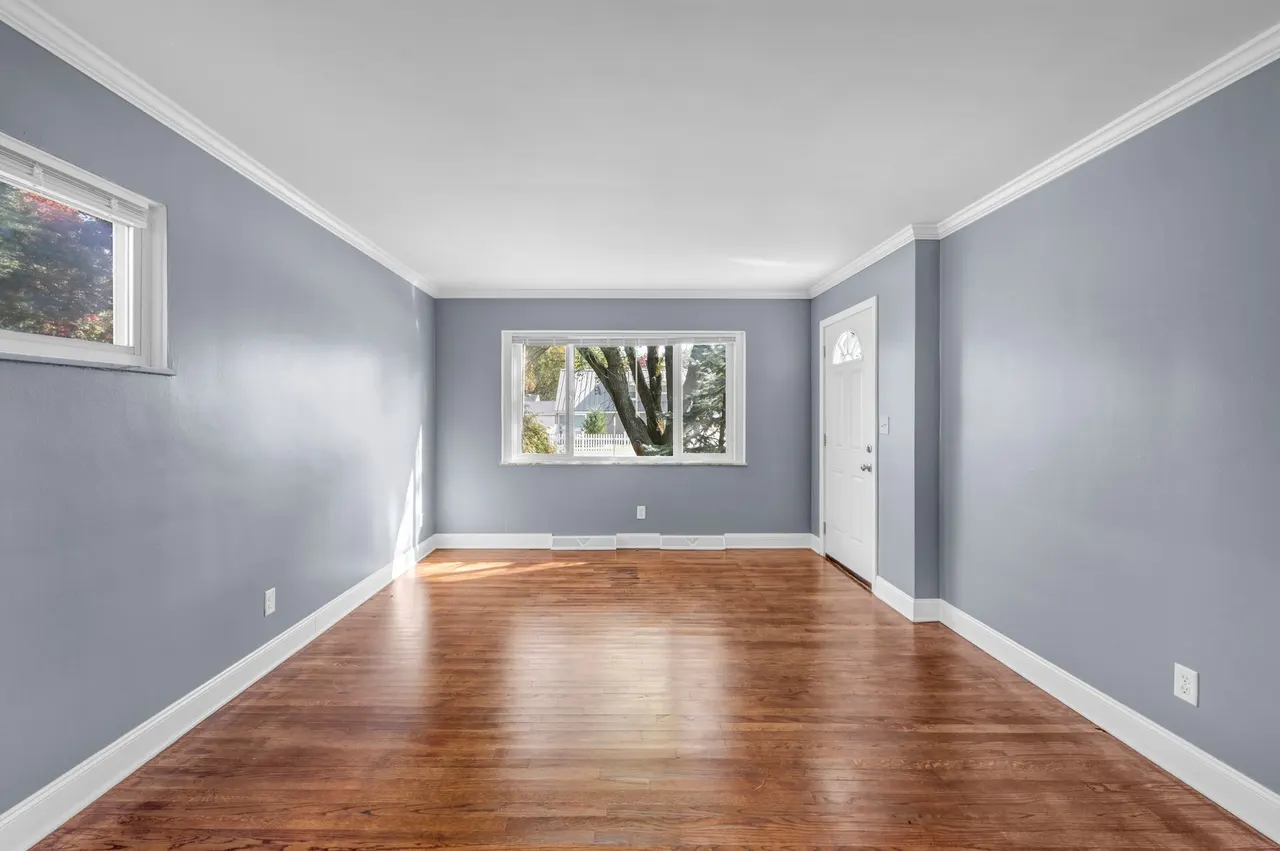
Pin and pinless readings on sheathing, trusses, and insulation to find wet zones the eye cannot see.

Infrared scan that reveals temperature differences caused by hidden moisture behind insulation and inside chases.
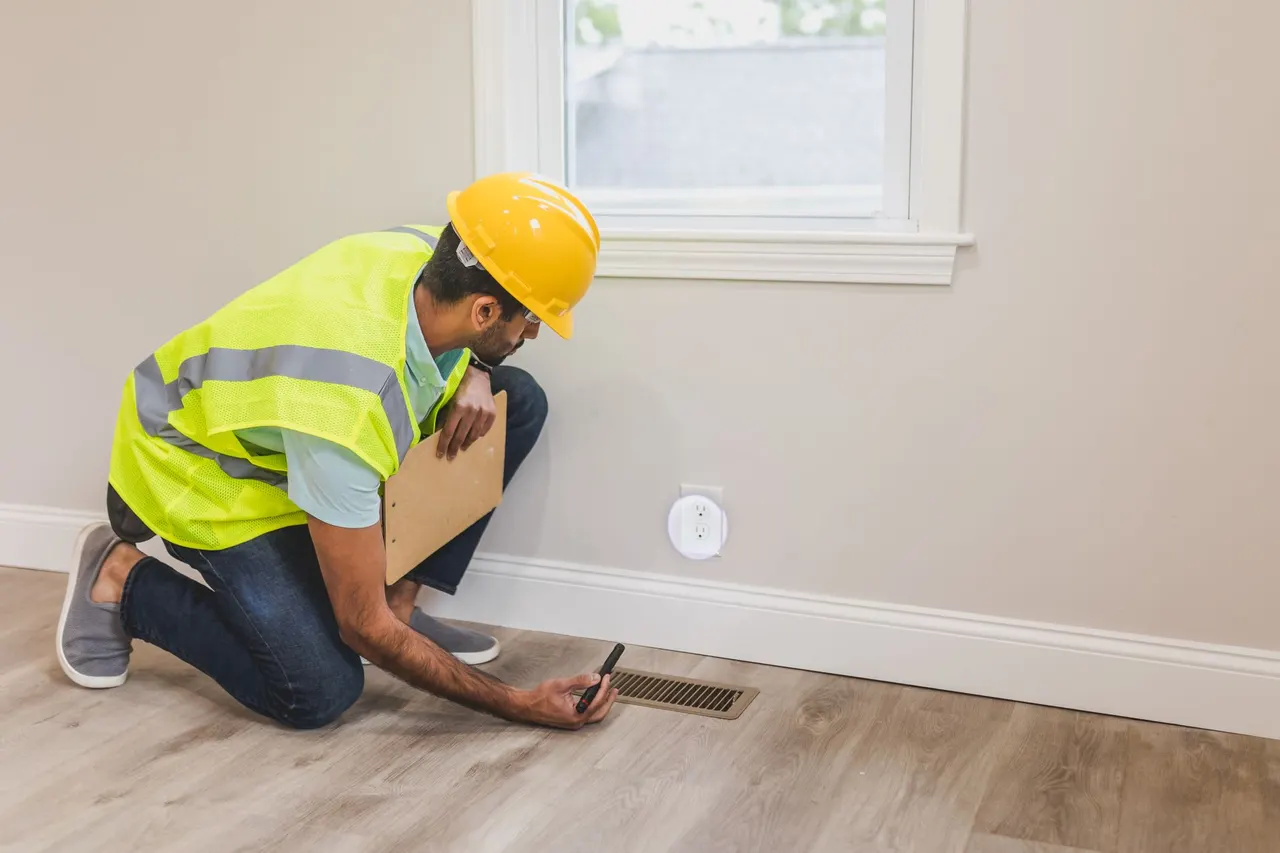
Flexible camera that lets us see behind insulation batts, inside duct chases, and into tight truss bays.

Captures mold spores and fine debris from every surface after physical removal. Standard equipment on every remediation.
Creates negative pressure in the containment zone and filters airborne spores so they do not migrate into living space.
Thermal views are illustrative, generated from the photographs.
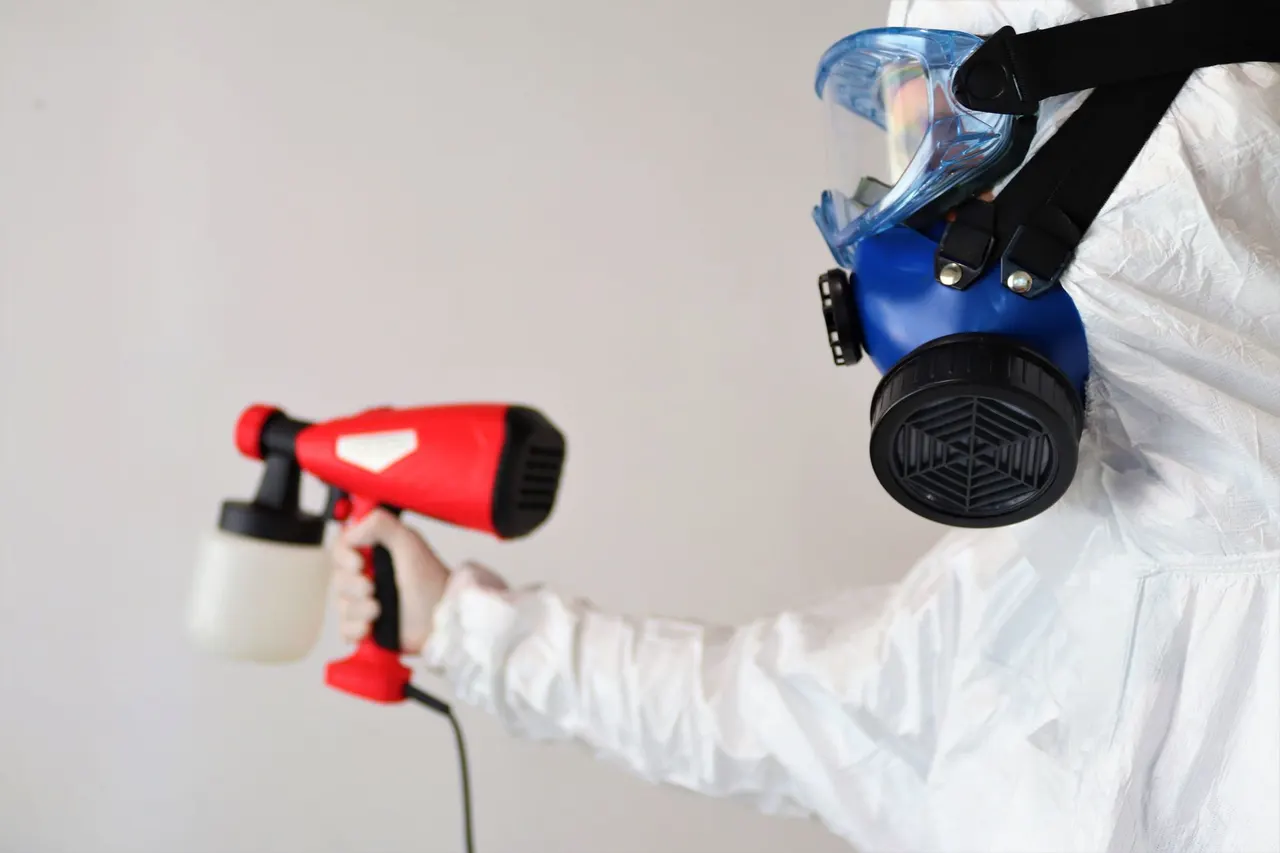
Applies antimicrobial treatment evenly across sheathing, trusses, and ductwork, including surfaces a sprayer cannot reach.
Measures relative humidity in the attic before, during, and after the job to confirm the space is dry at clearance.
The industry standard for mold remediation. It defines containment, removal, cleaning, and verification steps. We follow it on every residential attic mold removal in Littleton so the work is defensible and documented.
Required on pre-1978 homes, which are common in older Littleton neighborhoods. We contain dust, use proper PPE, and follow lead-safe work practices so renovation does not create a new hazard.
After physical removal, we apply a treatment product matched to the surface and severity. These products kill remaining spores and leave a residual that discourages regrowth on treated wood.
We collect air samples after remediation and compare them to outdoor baseline. This is how you prove the attic is clean for insurance, resale, or a health concern.

You smell a musty odor upstairs every winter but cannot find the source.
We inspect the attic with a moisture meter and thermal camera to find the wet zone. Usually it is a vent fan dumping into the attic or a small roof leak. We remediate the mold, fix the moisture source, and clear the odor with air scrubbing and fogging.
Outcome: The smell is gone, the attic is dry, and you know exactly what caused it so it does not come back next winter.

Your home inspector flagged attic mold during a real estate transaction.
We provide a written scope within 24 hours, remediate on your timeline, and supply photo documentation and clearance testing. This is one of our most common residential attic mold removal for real estate transactions jobs in Littleton.
Outcome: The buyer, seller, and lender all get the documentation they need, and the closing stays on schedule.
A roof leak soaked your attic and you can see dark staining spreading on the sheathing.
We stop the leak, contain the attic, HEPA vacuum the affected area, remove contaminated insulation, and treat the sheathing and trusses with antimicrobial spray. If rot has started, we replace the damaged decking.
Outcome: The leak is fixed, the mold is dead, and the structural lumber is sound again.
Someone in the house has asthma or allergies that get worse in winter.
We test the attic air, identify the mold species and spore count, remediate the growth, and verify with clearance samples. This is a common path for residential attic mold removal for asthma relief in Littleton.
Outcome: Indoor air quality improves, and the trigger that was making symptoms worse is removed from the house.
You are a landlord with a tenant complaining about musty smells and allergies.
We work around tenant schedules, remediate the attic, and provide documentation for your records. Fast turnaround keeps the tenant happy and protects your property from further damage.
Outcome: The tenant renews, the property is documented as remediated, and you have a repeatable process for your other units.
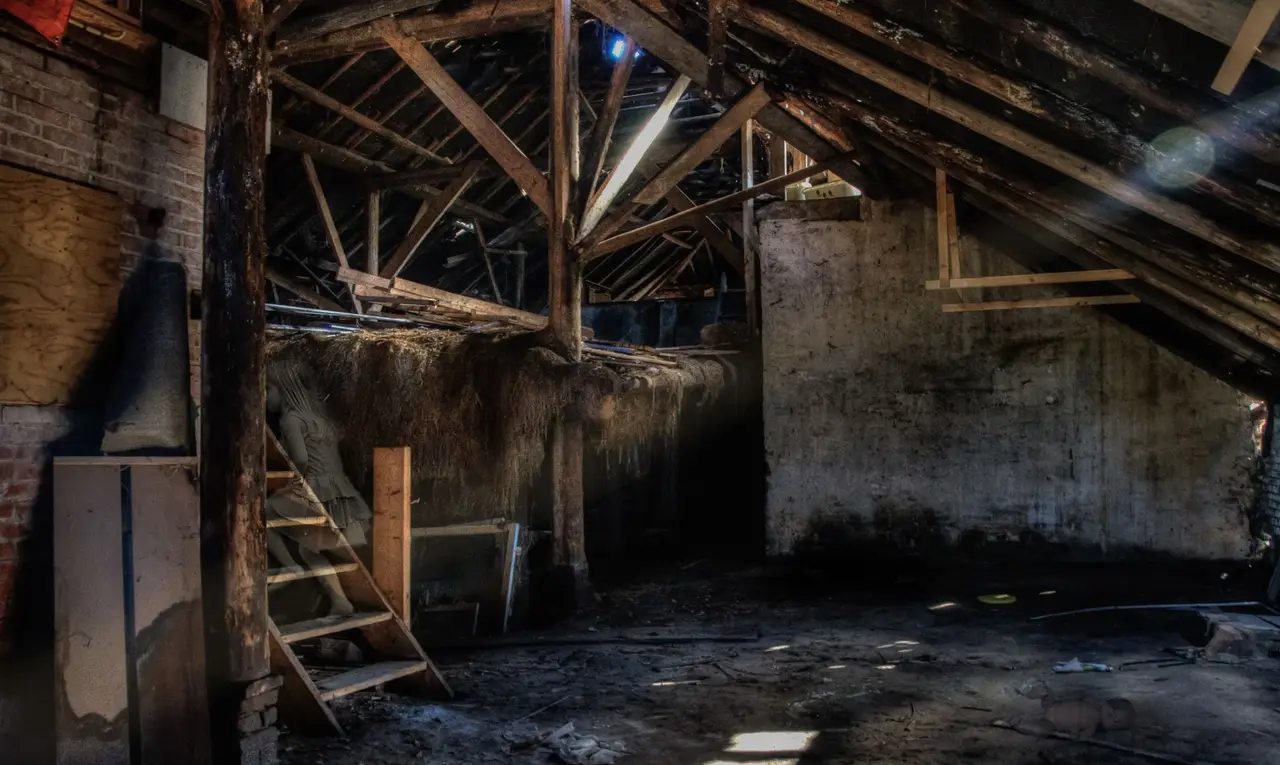
Littleton sits at 5,400 feet along the Front Range, and that elevation drives everything about attic mold here. Winter temperature swings of 40 degrees or more in a single day push warm, moist air into attics, where it condenses on cold roof sheathing. The result is black mold on the underside of the decking, often within weeks of the first cold snap.
We also see it in older homes around Historic Downtown Littleton and Heritage where bath fans were originally vented into the attic, a practice that was common in 1950s through 1980s construction. Roof leaks from hail and wind storms are another driver, and Arapahoe County sees plenty of both.
When you call us for professional residential attic mold removal in Littleton, Colorado, we start with the moisture source, not the stain. We check ventilation, vent fans, roof penetrations, and insulation condition. Then we remediate and document.

Before: A 1985 two-story in Ken Caryl had black mold across 400 square feet of roof sheathing. The bath fan was venting directly into the attic, and moisture readings on the decking were above 20 percent. Insulation was wet and moldy in two bays.
After: We contained the attic, HEPA vacuumed every surface, removed and replaced 400 square feet of contaminated insulation, and treated the sheathing and trusses with antimicrobial spray. The bath fan was rerouted through the roof. Post-job moisture readings were under 12 percent.
We recommended a humidity monitor in the attic and an annual inspection each fall before the freeze-thaw season starts. The homeowner checks the monitor monthly.
Before: A 1952 ranch near Historic Downtown Littleton had truss mold on three of the main structural trusses and moldy sheathing across 250 square feet. A roof leak at the chimney flashing had been soaking the same area for at least two seasons.
After: We repaired the chimney flashing, contained the attic, HEPA vacuumed, and treated the trusses and sheathing with Concrobium. Contaminated insulation was removed and replaced. The trusses were documented as structurally sound after treatment, and air samples came back at outdoor baseline levels.
We scheduled a follow-up moisture check at 90 days and recommended a roof inspection every spring after hail season. The homeowner keeps the report on file for insurance.
Before: A rental property in Columbine had a tenant complaining about musty smells and allergies. Inspection found mold on the attic ductwork and moldy cellulose insulation across 300 square feet. The attic had no ridge vent and only two small soffit vents.
After: We cleaned and treated the ductwork, removed and replaced the cellulose insulation with mold-resistant material, and installed a ridge vent and additional soffit vents. Clearance air samples confirmed the attic was clean, and the tenant renewed the lease.
The property manager now schedules an annual attic inspection between tenants and keeps the clearance report on file for each unit.
Most Littleton attic mold traces back to one of a few causes. Here are the ones we see most often, what happens if you ignore them, and how we fix them.
A dry attic, dead mold, and documentation that proves it.
Attic mold spores migrate into living space through can lights, attic hatches, and HVAC returns. After we remediate, most homeowners in Littleton report the musty smell upstairs is gone within 48 hours. If allergies or asthma flare up every winter, this is often the hidden cause.
Mold digests the cellulose in wood sheathing and trusses. Left alone for two seasons, truss mold in Littleton can compromise structural lumber. We remove the growth and treat the framing so the decking holds its strength and your roof stays sound.
Wet fiberglass and cellulose insulation lose most of their R-value once mold colonizes them. We pull contaminated batts, replace them with mold-resistant drywall-grade materials where needed, and restore the thermal envelope so your furnace is not fighting a wet attic all winter.
We photograph every stage, log moisture readings, and hand you a written report. If you are selling a home in Littleton, having remediation documented up front keeps the deal from stalling at inspection.
What a written scope covers and what shapes it. Prices are set by the business after the first look.
Included
Depends on
Clear records you can keep and share.
Before, during, and after images.
Readings at each stage of the job.
What was done and what was treated.
Final check and sign-off notes.
Not every attic mold problem is the same. What we find on the inspection determines how much work the remediation takes.
Growth on sheathing or trusses only.
Growth has reached the insulation.
Growth inside or on attic ducts.
A list like this tells people straight away whether you cover their street. Not listed? Call and ask: it only takes a minute.
Based in Littleton and covering the places around it. Pick one for local details.
A small spot treatment on 200 square feet of sheathing sits at the low end. A full attic with truss mold, ductwork mold, and a vent fan reroute lands at the high end. We give you a written scope with the price before any work starts.
A typical Littleton attic takes one day, usually 6 to 10 hours from setup to clearance. Larger attics over 2,000 square feet, or jobs that include insulation replacement and roof leak repair, run into a second day. We schedule the work so your household is not disrupted, and we tell you the expected finish time when we write the scope.
Yes. We offer payment options for larger remediation jobs, including insulation replacement and ventilation upgrades, so you are not forced to choose between fixing the mold and fixing the cause. Ask when we write the scope and we will walk you through what is available. For smaller jobs, most homeowners pay at completion.
Yes. We contain the work area with poly sheeting and run a negative air machine so spores and treatment products stay in the attic. Children and pets should stay out of the attic and away from the access hatch during the job, but the rest of the house stays livable. Once we finish and the antimicrobial spray dries, usually within a few hours, the attic is safe to enter.
Other services from the same team.
If you smell musty air upstairs or see dark staining on the roof sheathing, the mold is already feeding on moisture. We inspect, quote, and remediate, and we fix the water source so it does not come back. Call (720) 953-3834 for a same-day inspection.
Call (720) 953-3834 or email us and we will schedule an attic inspection, usually within a day or two. We work Monday through Friday, 8am to 6pm, and we answer the phone ourselves. If you have a leak or storm damage, tell us and we will prioritize the call.