Attic Mold Removal for Home Inspections in Littleton
Attic Mold Removal for Home Inspections in Littleton is what you call when an inspector flags mold and the closing clock is already running. We handle home inspection attic mold remediation Littleton CO sellers, buyers, and agents depend on, from the first moisture reading to the final photo report. Most attics we treat in Arapahoe County are done in a single visit, with documentation your inspector can read.
We photograph everythingTreated areas documented for the file
We correct the sourceLeaks and ventilation fixed, not ignored
What Attic Mold Removal for Home Inspections Includes
Every inspection-driven job includes the core scope below. If your attic needs more, like insulation replacement or ductwork cleaning, we tell you upfront and price it separately so there are no surprises on the invoice.
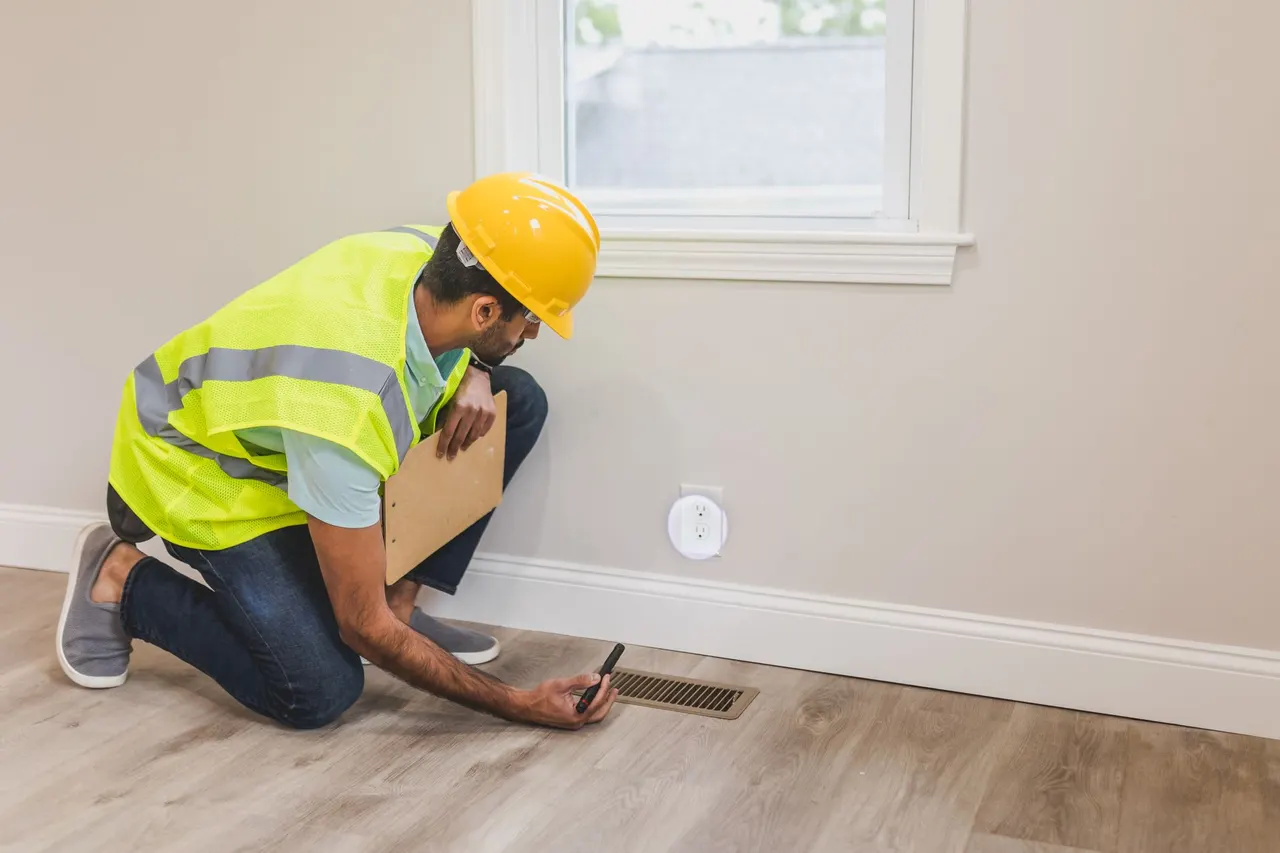
Full Attic Assessment
Moisture meter, thermal imaging camera, and boroscope inspection of sheathing, trusses, and insulation. We map the mold, find the water source, and explain what we found before quoting.
Containment and HEPA Setup
Negative air machine and air scrubber set up at the attic access, drop cloths down, and HEPA vacuum staged. This keeps spores out of your living space during the entire job.
Surface Removal and Treatment
HEPA vacuuming, scrubbing, and antimicrobial spray on all affected sheathing, trusses, and framing. We use EPA-registered products including Concrobium and Benefect, with RMR-86 on stained wood.
Insulation Removal When Needed
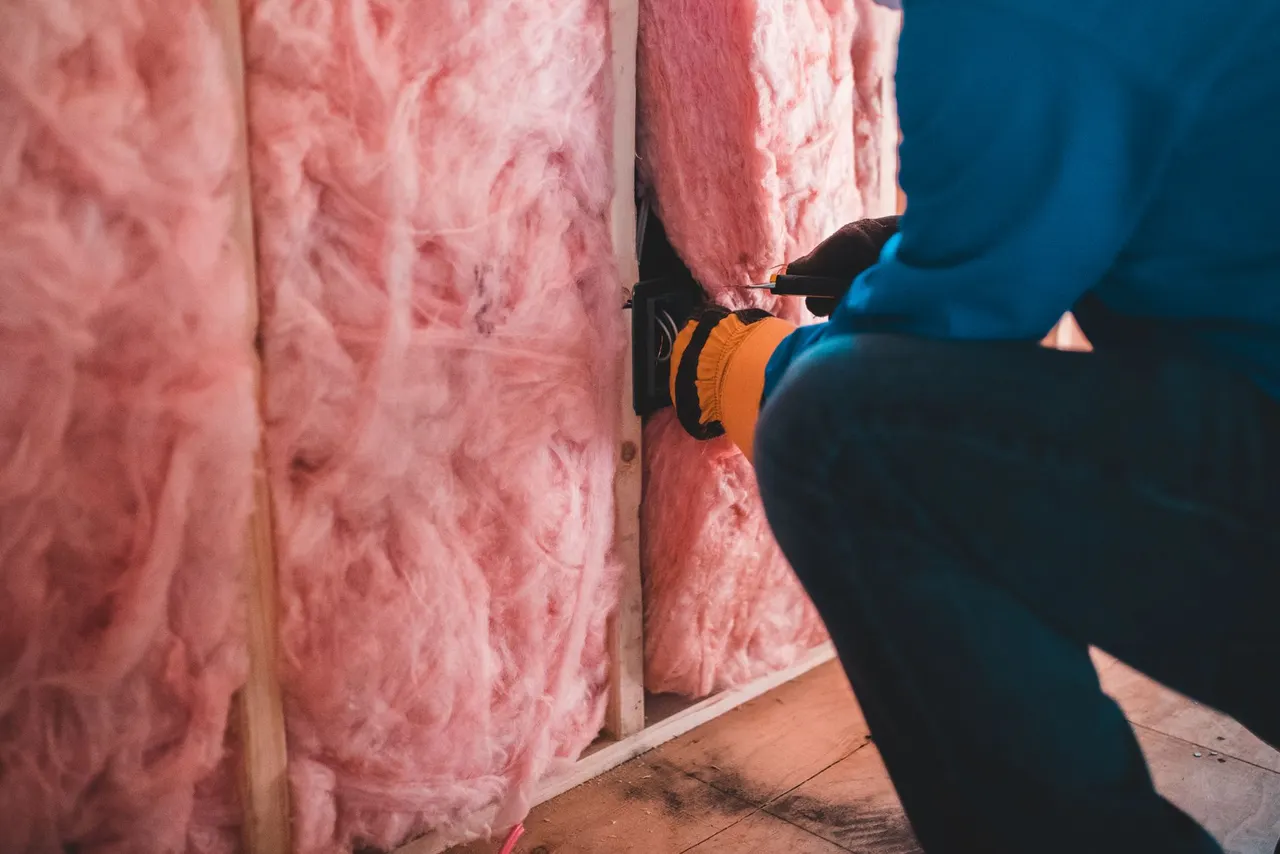
Moldy fiberglass or cellulose insulation gets bagged and removed, not treated. We dispose of it properly and can install new insulation that meets current Colorado code.
Moisture Source Correction
We fix or coordinate repair of the roof leak, ventilation gap, or condensation problem that caused the mold. Without this step, remediation is temporary and the inspector will flag it again.
Photo Report and Documentation
Before-and-after photos, moisture readings, and a written scope summary delivered the same day. This is the packet your inspector, buyer's agent, or lender needs to clear the report.
Homes and businesses.
The approach is the same for a home and a business. What changes is the access, the schedule and who needs the paperwork.
For Homeowners
Sellers and buyers call us when an inspection report flags attic mold and the closing date is already set. We work around your schedule and document everything.
Inspection flagged sheathing mold
Musty smell in the attic
Moldy insulation found at inspection
For Property Managers
Landlords and property managers need attic mold handled between tenants without losing rentable days. We work around turnover schedules and provide file-ready documentation.
Turnover between tenants
Lender requiring attic documentation
Insurance claim on roof leak damage
Attic Mold Removal for Home Inspections in Littleton
A plain-language look at what Attic Mold Removal for Home Inspections involves and when it is needed.
Attic Mold Removal for Home Inspections in Littleton is a targeted remediation service that removes mold growth from roof sheathing, trusses, and insulation so a home inspection report can be cleared. We start with a moisture meter and thermal imaging camera to find the water source, then contain the space with a negative air machine and HEPA vacuum before any surface is disturbed. Spores get scrubbed, treated with an antimicrobial spray, and verified with a hygrometer before we leave.
Littleton sits in Arapahoe County where attic condensation and roof leaks are common, especially on homes near Chatfield and along the Ken Caryl ridge where temperature swings are sharp. Sellers call us when a buyer's inspector writes up sheathing mold. Buyers call when they want it fixed before they sign. Real estate agents call when a deal is 10 days from closing and the lender wants proof the attic is clean.
Attic mold removal for home inspections clears the report and fixes the moisture source behind it.
What it is
Remediation of attic mold flagged during a home inspection, with documentation for the transaction file.
When you need it
When an inspector flags mold on sheathing, trusses, or insulation and the closing timeline is running.
What to expect
Assessment, containment, removal, antimicrobial treatment, source correction, and a same-day photo report.
How Our Attic Mold Process Works
Five steps, one visit in most cases. Here is exactly what happens from the moment you call us to the moment you have a report in hand for your inspector or lender.
Phone Intake
You call (720) 953-3834 and tell us what the inspector flagged and when you need it done. We ask about the home's age, roof history, and whether there is a closing date. Five minutes on the phone usually tells us whether this is a one-visit job or something bigger.
Call intake
Closing date
Scope check
Attic Assessment
We climb the attic with a moisture meter, thermal imaging camera, and boroscope. We map where the mold is, how far it spreads across the sheathing and trusses, and where the water is coming from. You get a plain-English explanation before we quote anything.
Moisture map
Thermal scan
Source found
Containment Setup
We seal off the attic access and set a negative air machine with HEPA filtration so spores cannot drift into living space. Drop cloths go down, and we stage our air scrubber and fogger. Setup takes 20 to 30 minutes on a typical Littleton ranch or two-story.
Containment seal
Negative air
Drop cloths
Removal and Treatment
We HEPA vacuum affected surfaces, scrub sheathing and trusses, and apply an antimicrobial spray. For heavy growth we use products like Concrobium or Benefect, and RMR-86 on stained wood. Insulation that is soaked or moldy gets bagged and removed, not left behind.
HEPA vacuum
Scrub surfaces
Antimicrobial spray
Verification and Report
We re-check moisture with a hygrometer, confirm the attic is dry, and photograph every treated area. You get the before-and-after packet the same day, formatted so your inspector, buyer, or lender can drop it straight into the file.
Hygrometer check
Photos taken
Report sent
Tools and Methods We Use
Move across a circle, or focus it and press Enter, for an illustrative thermal view of the photograph.
Moisture Meter
Reads moisture content in sheathing, trusses, and insulation so we know exactly where the water is and how far the problem spreads.
Thermal Imaging Camera
Reveals temperature differences that point to hidden moisture, roof leaks, and insulation gaps behind finished surfaces.
Negative Air Machine
Creates negative pressure in the attic so spores cannot drift into living space during removal and treatment.
HEPA Vacuum
Captures spores and debris from sheathing, trusses, and framing without releasing them back into the air.
Air Scrubber
Continuously filters attic air during the job, keeping the workspace clean and reducing cross-contamination.
Thermal views are illustrative, generated from the photographs.
Methods
Boroscope
Lets us see inside wall cavities and tight attic spaces where mold and moisture hide from a visual inspection.
Hygrometer
Confirms the attic is dry before we close out the job, so the documentation shows verified moisture levels.
IICRC Remediation Standards
We follow IICRC guidelines for containment, removal, and verification on every inspection-driven job. That means proper containment, HEPA filtration, and moisture verification before we call the attic clean.
EPA-Registered Antimicrobials
We use products like Concrobium, Benefect, and RMR-86 on affected surfaces. These are EPA-registered for mold remediation and safe for use in occupied homes when applied correctly.
Source Correction First
We fix the moisture source before treating the mold. Roof leaks, ventilation gaps, and condensation problems get addressed so the growth does not return after the inspection is cleared.
Documented Verification
Every job ends with moisture readings, before-and-after photos, and a written scope summary. This is the documentation inspectors, buyers, and lenders need to clear the report.
When You Need Attic Mold Removal for Home Inspections
Seller deadline
A seller in Ken Caryl gets an inspection report flagging attic mold 10 days before closing.
We schedule within 24 hours, assess the attic, contain and remediate the affected sheathing, and deliver the photo report the same day. The seller's agent forwards it to the buyer's agent.
Outcome: The buyer accepts the documentation, the report is cleared, and closing happens on the original date.
Buyer pre-signing
A buyer in Historic Downtown Littleton wants mold fixed before signing, not after.
We assess the attic, identify a small roof leak the inspector missed, and remediate after the leak is repaired. Documentation includes moisture readings and treated-area photos.
Outcome: The buyer signs knowing the attic is clean and the source is fixed, with paperwork to prove it.
Agent deal rescue
A real estate agent in Columbine has a deal falling apart over an attic mold write-up.
We work directly with the agent and the buyer's inspector, remediate to IICRC standards, and provide documentation formatted for the transaction file. Timeline is built around the closing date.
Outcome: The deal stays together, the agent looks good to both sides, and the file has everything the lender needs.
Pre-listing cleanup
A homeowner in Roxborough Park has musty attic air and wants it resolved before listing.
We remediate the attic, clean affected ductwork, and correct the ventilation problem causing condensation. Air quality checks confirm the odor source is gone.
Outcome: The home lists without an attic mold flag, and the seller avoids a price reduction at negotiation.
Rental turnover
A landlord in Littleton Village needs a rental attic cleaned between tenants.
We work around the turnover schedule, remediate the attic, replace moldy insulation, and provide documentation for the property file. Job is completed in one visit.
Outcome: The unit is ready for the next tenant with a clean attic and paperwork on file for future inspections.
Ken CarylHistoric Downtown LittletonSterling Ranch
How Attic Mold Removal for Home Inspections Runs in Littleton
Littleton attics deal with two moisture problems that drive most inspection flags: summer storms that push water through aging roof flashing, and winter temperature swings that create condensation on cold roof sheathing. Homes near Chatfield and along the Ken Caryl ridge see the sharpest swings, and older ranches in Historic Downtown Littleton often have ventilation that was never sized for a Colorado climate.
When we assess an attic here, we check for both active leaks and condensation patterns, because treating one without the other means the mold comes back. If you are searching for affordable home inspection attic mold remediation Littleton, Colorado, we give you a firm number after the assessment, not a range that moves.
We work with agents, inspectors, and lenders across Arapahoe County, and we schedule around closing dates. For real estate agents and lenders who need documentation fast, we deliver the photo report the same day the job is completed.
Ken Caryl: Sharp temperature swings along the ridge drive condensation on roof sheathing, especially on homes with limited attic ventilation.
Historic Downtown Littleton: Older ranches and bungalows often have undersized ventilation and aging roof flashing that lets water in during summer storms.
Sterling Ranch: Newer construction with tight building envelopes can trap moisture if attic ventilation was not sized correctly during the build.
Roxborough Park: Homes near the foothills see more wind-driven rain, which finds its way past flashing and into attic spaces.
Columbine: A mix of 1970s and 1980s builds where original ventilation has aged out and insulation has settled, creating moisture pockets.
Winter temperature swings creating roof sheathing condensation: Warm attic air meets cold sheathing and condenses, feeding mold growth on the underside of the roof deck. This is the most common cause of repeat inspection flags in Littleton.
We walk the attic with you and explain what we find.
We seal the access and set containment before any work.
We re-check moisture and hand off the photo report.
From problem to finished result.
IllustrativeThe thermal view is generated from the photograph. It is not a measurement. Drag the handle, or use the arrow keys once it is focused.
Ken Caryl Sheathing Mold Cleared
Before: A seller's inspector flagged dark mold across roughly 200 square feet of roof sheathing near the ridge. The attic had no active leak but showed heavy condensation staining from years of poor ventilation.
After: We contained the attic, HEPA vacuumed and scrubbed the sheathing, treated it with antimicrobial spray, and installed additional exhaust ventilation. Moisture readings dropped from 22% to 11% by the end of the job.
Keep the new vents clear and check the attic once each fall for condensation. If you see frost on the sheathing in winter, call us before it becomes a mold problem again.
Historic Downtown Leak and Mold Fixed
Before: A 1952 ranch had mold on trusses and decking near a chimney flashing leak. The buyer's inspector flagged it, and the seller had 12 days to close. Insulation around the leak was soaked and moldy.
After: We repaired the flashing, removed and replaced the affected insulation, remediated the trusses and decking, and delivered the photo report within 24 hours. The buyer's agent cleared the report the next day.
Check chimney flashing every spring after storm season. If you see water stains on the ceiling below the attic, get it looked at before mold has a chance to establish.
Sterling Ranch Ventilation Correction
Before: A newer home had condensation mold on the north-facing roof sheathing despite being only a few years old. The attic had intake vents but almost no exhaust, so moisture had nowhere to go.
After: We remediated the affected sheathing, installed ridge and exhaust ventilation, and verified moisture levels with a hygrometer. The attic stayed dry through the following winter with no new growth.
Do not block soffit vents with stored items or insulation. Check the attic after the first cold snap each year and look for frost or dampness on the roof deck.
Attic Mold Problems We Solve for Littleton Homeowners
Inspection-driven attic mold shows up in a handful of predictable ways. Here are the ones we see most often in Littleton, and what happens if they get ignored.
Sheathing stainingInspector flags dark staining on roof sheathingThe buyer asks for remediation or a price reduction, and the closing stalls until it is resolved. Lenders may hold the loan until the report is cleared. We assess the sheathing, confirm whether the staining is active mold or old residue, and remediate accordingly. Our photo report shows the treated area and moisture readings so the inspector can sign off.
Musty attic odorMusty odor in the attic that buyers notice immediatelyOdor signals active mold even when it is not visible, and buyers walk away or demand a bigger credit. It also spreads into living space through ductwork and attic access. We trace the odor to its source, treat the affected surfaces, and decontaminate the attic including ductwork if needed. Air quality checks confirm the smell is gone, not just masked.
Moldy insulationMoldy insulation that cannot be cleanedInsulation holds moisture and spores, so treating it does nothing. The mold returns, the inspector flags it again, and you pay twice for the same problem. We bag and remove affected fiberglass or cellulose, correct the moisture source, and install new insulation after the attic is verified dry. The replacement meets current code and passes inspection.
Hidden roof leakRoof leak feeding mold on trusses and deckingWithout fixing the leak, remediation is a temporary fix. Every rainstorm adds moisture, and the mold comes back within a season, usually right after you have closed. We use moisture meters and thermal imaging to locate the leak, then repair or coordinate the fix before remediation. The attic is dry when we finish, and we document the source correction.
Condensation moldPoor attic ventilation causing condensation moldColorado temperature swings create condensation on cold roof sheathing, which feeds mold year after year. It is the most common cause of repeat inspection flags in Littleton. We size and install proper intake and exhaust ventilation to keep air moving. Combined with moisture control, this stops the condensation cycle so the mold does not return next winter.
Why Sellers and Buyers Choose Us
A cleared inspection report and an attic that stays dry.
Fast Turnaround for Closings
Most inspection-driven attics are remediated in one visit, and we can often schedule within 24 to 48 hours of your call. If you need same-day attic mold removal for home inspections Littleton CO, tell us the closing date on the phone and we will tell you straight whether we can hit it.
Documented for Inspectors
You get before-and-after photos, moisture readings, and a written summary of what was treated and why. That packet is what your inspector, buyer's agent, or lender actually needs to see. It is the difference between a cleared report and another round of questions.
Source Fixed, Not Just Scrubbed
Killing surface mold without fixing the moisture is a waste of money. We trace roof leaks, poor attic ventilation, and condensation with a moisture meter and thermal imaging camera, then correct the cause so the growth does not come back next winter.
Clean Work in a Live Home
We lay drop cloths, run a negative air machine, and HEPA vacuum every surface we touch. Furniture stays put, floors stay clean, and nobody in the house is breathing disturbed spores. When we leave, the attic looks like we were never there except for the results.
What a written scope covers.
What a written scope covers and what shapes it. Prices are set by the business after the first look.
Included
Attic moisture assessment with meter and thermal camera
Containment setup with negative air machine
HEPA vacuuming of affected sheathing and trusses
Antimicrobial spray on all treated surfaces
Removal of moldy insulation when present
Same-day photo report for the transaction file
Depends on
How much square footage is affected
Whether insulation has to be replaced
Whether the moisture source is a leak or ventilation
Our buyer's inspector flagged mold on the roof sheathing eight days before closing. PeakShield came out the next morning, contained the attic, treated everything, and had the photo report to our agent by that evening. The buyer's agent accepted it without a second question. Closing happened on time.
We were buying a 1950s ranch and the inspection report mentioned attic mold near the ridge. PeakShield assessed it, found a small roof leak nobody else caught, and fixed the source before remediating. They sent us moisture readings and photos. We closed with confidence and the attic has stayed dry.
I have used PeakShield on four transactions now. They understand that a closing date is not flexible. They show up when they say they will, they document everything the way inspectors want it, and they do not try to upsell my clients on work the attic does not need. That is why I keep calling them.
Frequently Asked Questions
Small patches on sheathing near a single vent often land at the low end. Full-attic growth with soaked insulation and truss staining pushes toward the top. We give you a firm number after the assessment, not a range that moves.
Inspectors look for visible discoloration on roof sheathing and trusses, musty odors at the attic access, moisture staining, and signs of poor ventilation like rusted nails or condensation on the underside of the roof deck. They also check insulation for dark staining. If any of those show up, they write it into the report and the buyer usually asks for remediation before closing.
A typical single-family attic takes three to six hours of on-site work, and most jobs are completed in one visit. Larger attics with heavy growth or insulation replacement can run a full day. We schedule around your closing timeline, and we can often be on site within 24 to 48 hours of your call.
Yes, when the work is done to IICRC standards and documented properly. Inspectors and lenders want to see that the mold was removed, the moisture source was corrected, and the attic was verified dry. Our report includes before-and-after photos, moisture readings, and a written scope summary. That packet is what clears the flag on the inspection report.
If an inspector just flagged attic mold, the clock is already running. Call (720) 953-3834 and tell us your closing date. We will tell you straight whether we can hit it, and we will give you a firm price before we start.
Call (720) 953-3834 or email us and we will schedule an attic inspection, usually within a day or two. We work Monday through Friday, 8am to 6pm, and we answer the phone ourselves. If you have a leak or storm damage, tell us and we will prioritize the call.