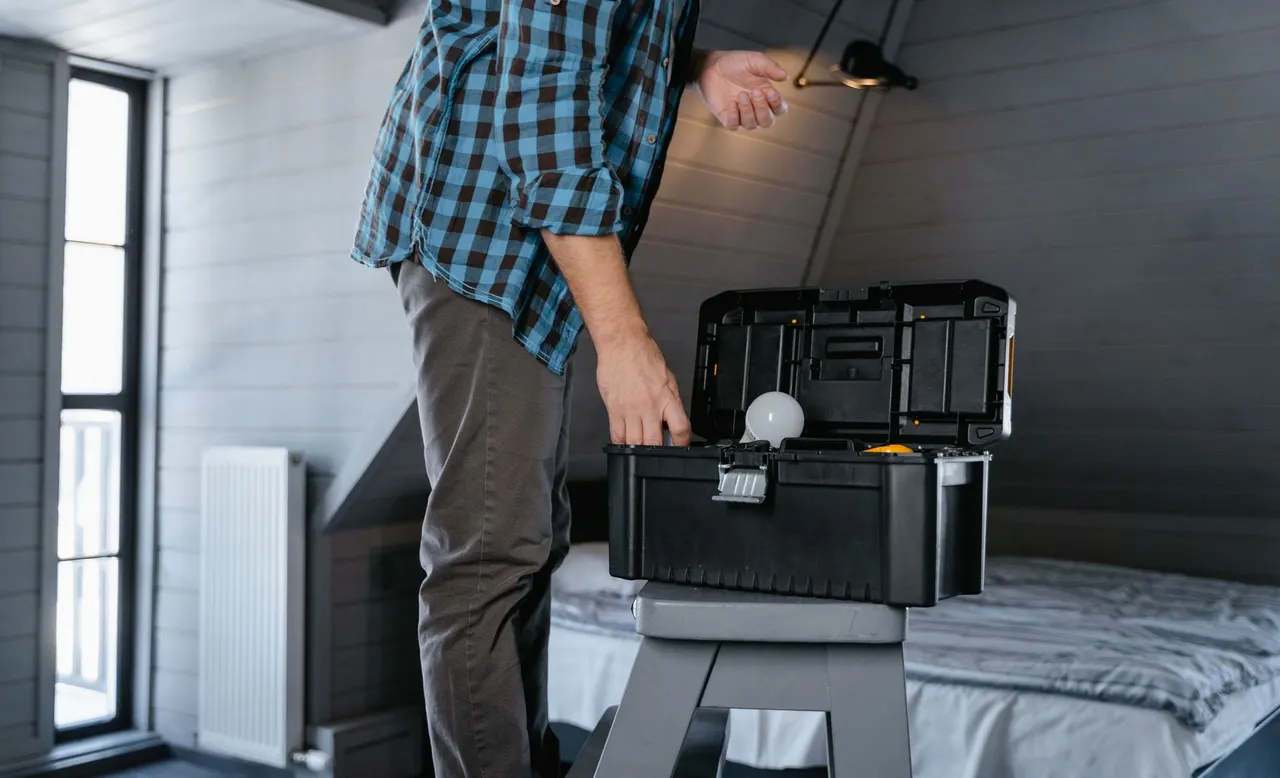
For homeowners
We work around your family's schedule and keep containment tight so dust and spores stay in the attic. You get a written scope before removal starts.
- Musty smell upstairs
- Staining on ceiling below
- Recent roof leak or hail
Emergency Attic Mold Removal in Littleton is for homeowners staring at black staining on roof sheathing, a musty smell drifting down the hallway, or a roof leak that soaked the insulation last week. We roll a crew, a moisture meter, and a thermal imaging camera into your attic, find where the water is still coming from, and stop the mold from spreading to trusses and ductwork. Call (720) 953-3834 and we will tell you on the phone what we can do today.
 Moisture mappingContainment setupHEPA vacuuming
Every emergency job starts with the same core scope: containment, removal, treatment, and dry-down. What changes is how much material has to come out and whether the water source needs a roofer or HVAC tech to fix it. Here is what you get on a standard Littleton attic call.
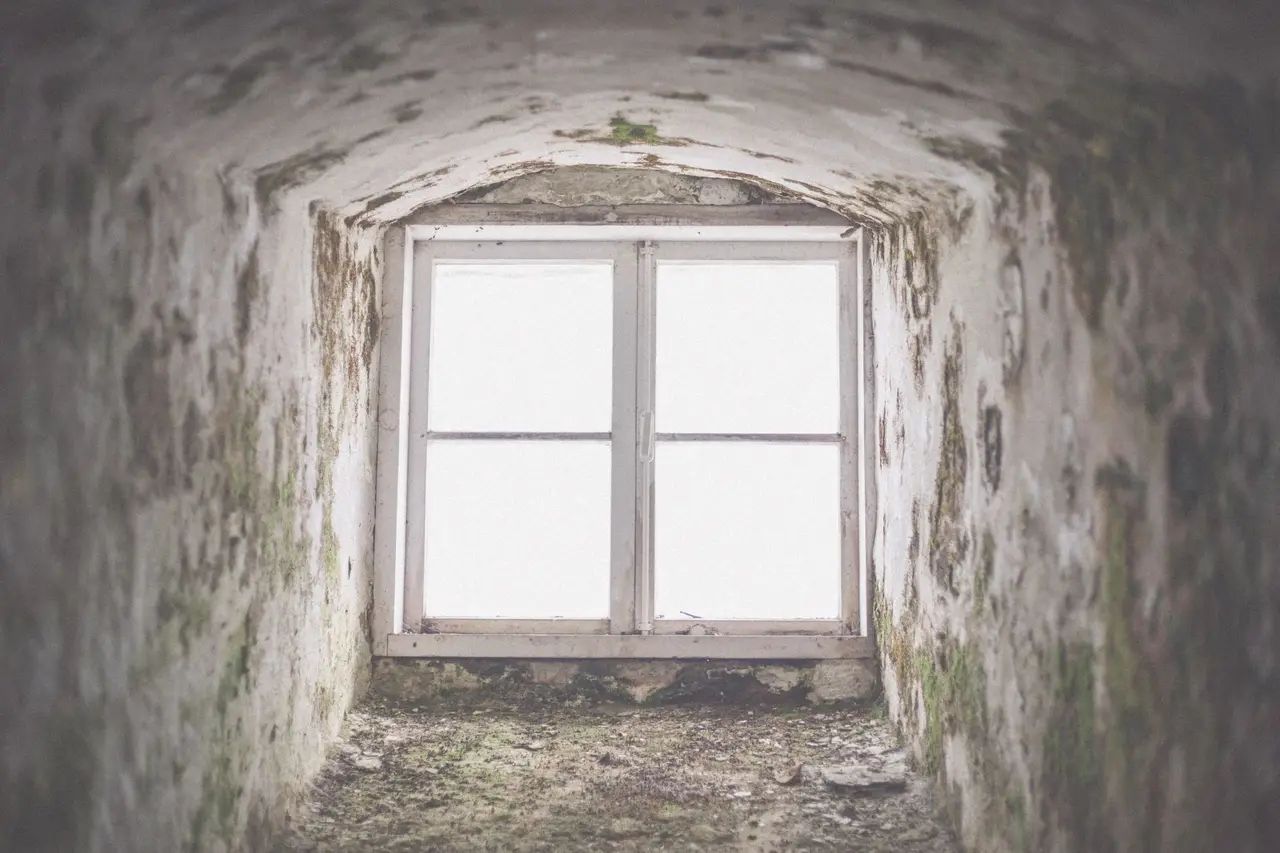
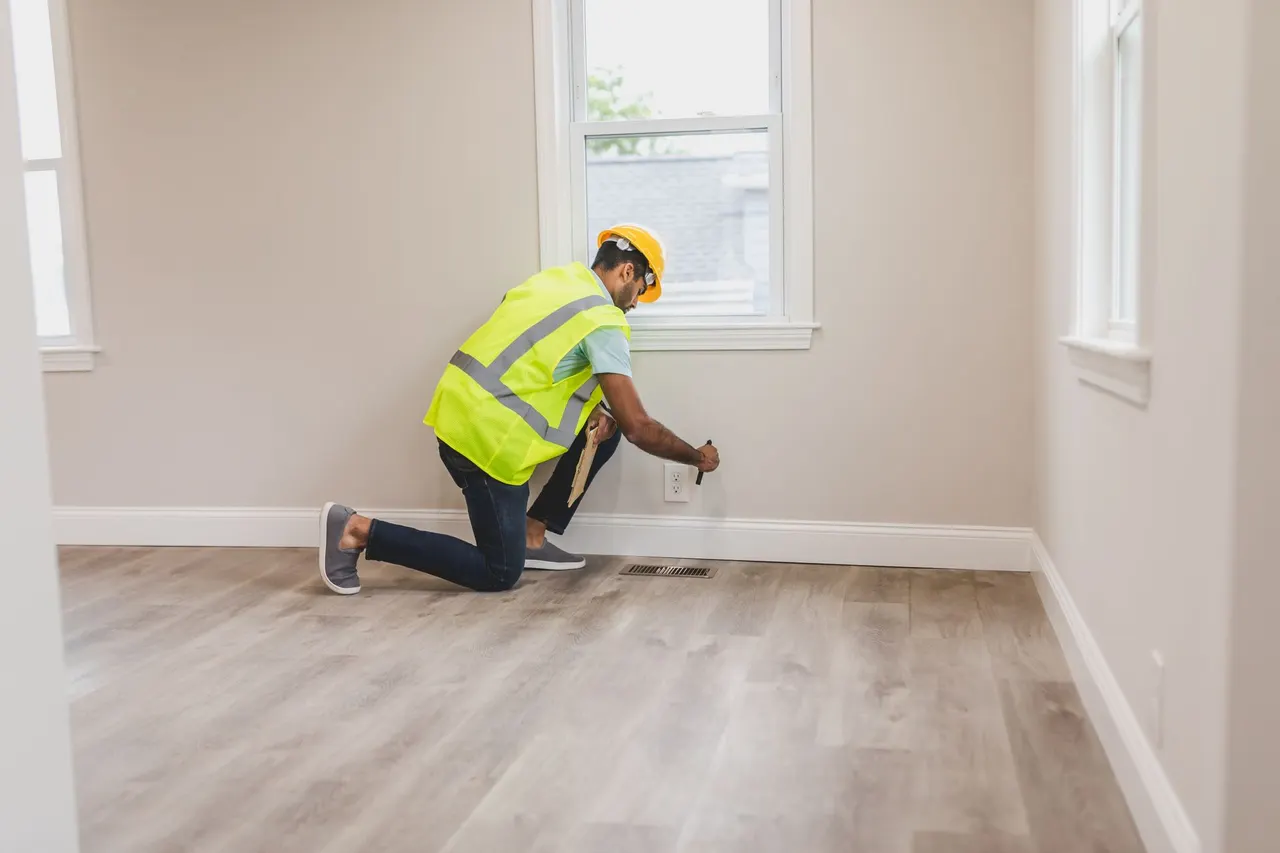
A full attic walk with a moisture meter, hygrometer, thermal imaging camera, and boroscope. We map every affected bay, photograph the damage, and hand you a written scope before we start removal.
Poly sheeting and zip walls around the work area, with a negative air machine pulling air out of the attic so spores do not drift into your living space. Setup takes about 45 minutes on a typical Littleton home.
Every affected sheathing bay, truss, and duct run gets HEPA vacuumed. Moldy fiberglass or cellulose insulation is bagged under containment and hauled out. Most single-family attics take four to eight hours.
Concrobium or Benefect fogged into the space, then a wipe-down of trusses and sheathing with an antimicrobial spray. We leave the product labels with you for your records and your insurance file.
Air scrubbers run for 24 to 48 hours to pull remaining spores out of the air. We come back, meter the wood, and confirm sheathing is under 15% moisture content before we call the job complete.
Before-and-after photos, moisture readings, product labels, and a clear scope of what was removed and treated. Delivered as a single PDF you can send to your adjuster, lender, or buyer.
The approach is the same for a home and a business. What changes is the access, the schedule and who needs the paperwork.
We work around your family's schedule and keep containment tight so dust and spores stay in the attic. You get a written scope before removal starts.
We coordinate with tenants and owners, work after hours when needed, and deliver documentation your file needs. One crew, one scope, one report.
A plain-language look at what Emergency Attic Mold Removal involves and when it is needed.
See how it worksEmergency Attic Mold Removal in Littleton is the urgent containment, removal, and drying of active mold growth on attic sheathing, trusses, insulation, and ductwork after a leak, storm, or ventilation failure. It is not a spray-and-paint job. We set negative air pressure with a negative air machine, run a HEPA vacuum over every affected surface, then treat the wood with an antimicrobial spray rated for porous building materials. A moisture meter and hygrometer tell us whether the deck is actually dry before we close the hatch.
Littleton sits in Arapahoe County where spring snowmelt, June hail, and monsoon-driven humidity all push moisture into attics that were never built to shed it. If you have been searching for emergency attic mold removal near me Littleton and getting nothing but voicemail, we answer the phone and we schedule the same day.
Attic mold is a moisture problem first and a mold problem second. Fix the water, then remove the growth.
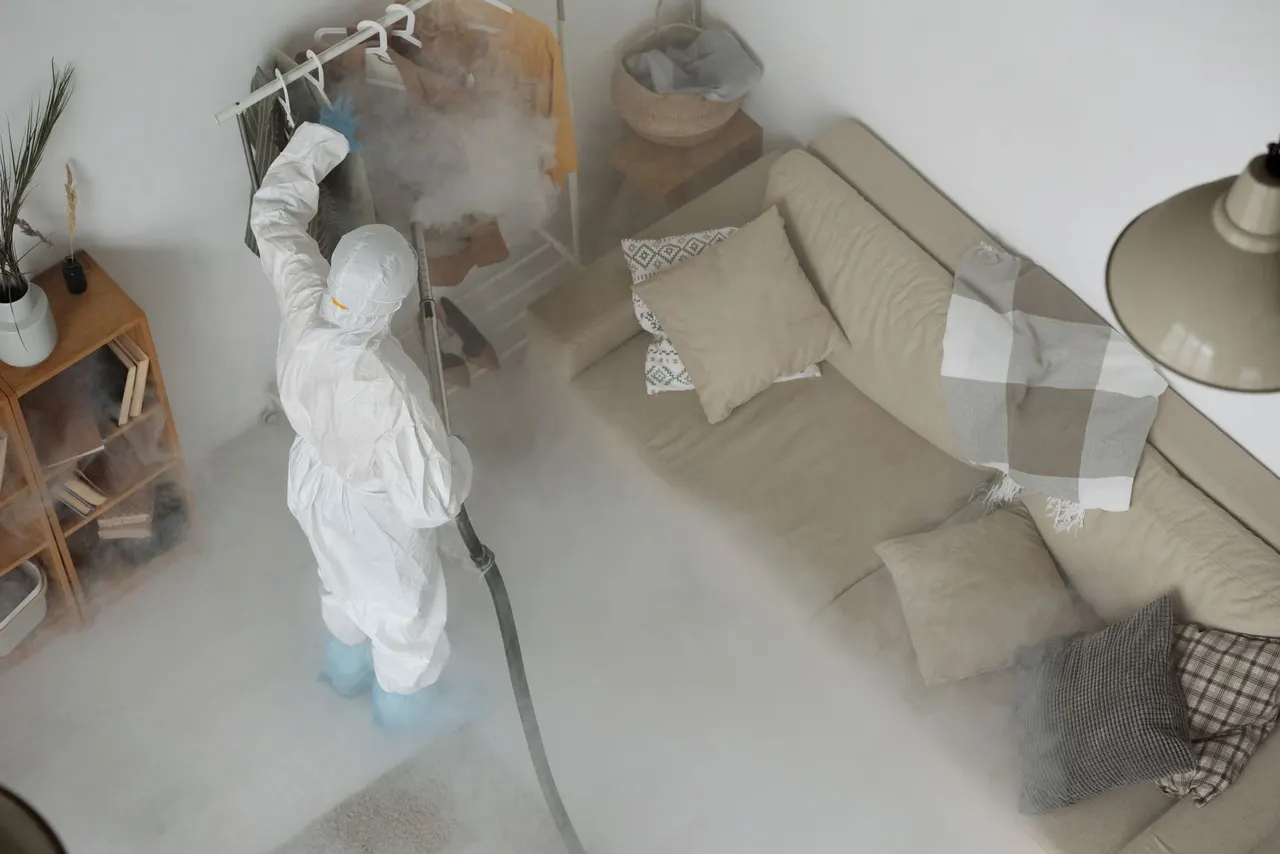
You call, we ask a few questions, and we give you a real window. Here is the sequence from your first phone call to the final walkthrough, so nothing is a surprise.
We ask where the smell is strongest, whether you have seen staining on the ceiling below, and whether there was a recent leak or storm. That tells us what to load on the truck. You get a two-hour arrival window, not a vague all-day promise.

We suit up, lay down drop cloths, and walk the attic with a moisture meter, a hygrometer, and a thermal imaging camera. A boroscope goes into the wall cavities and around the chimney chase. You get a written scope before we start any removal work.
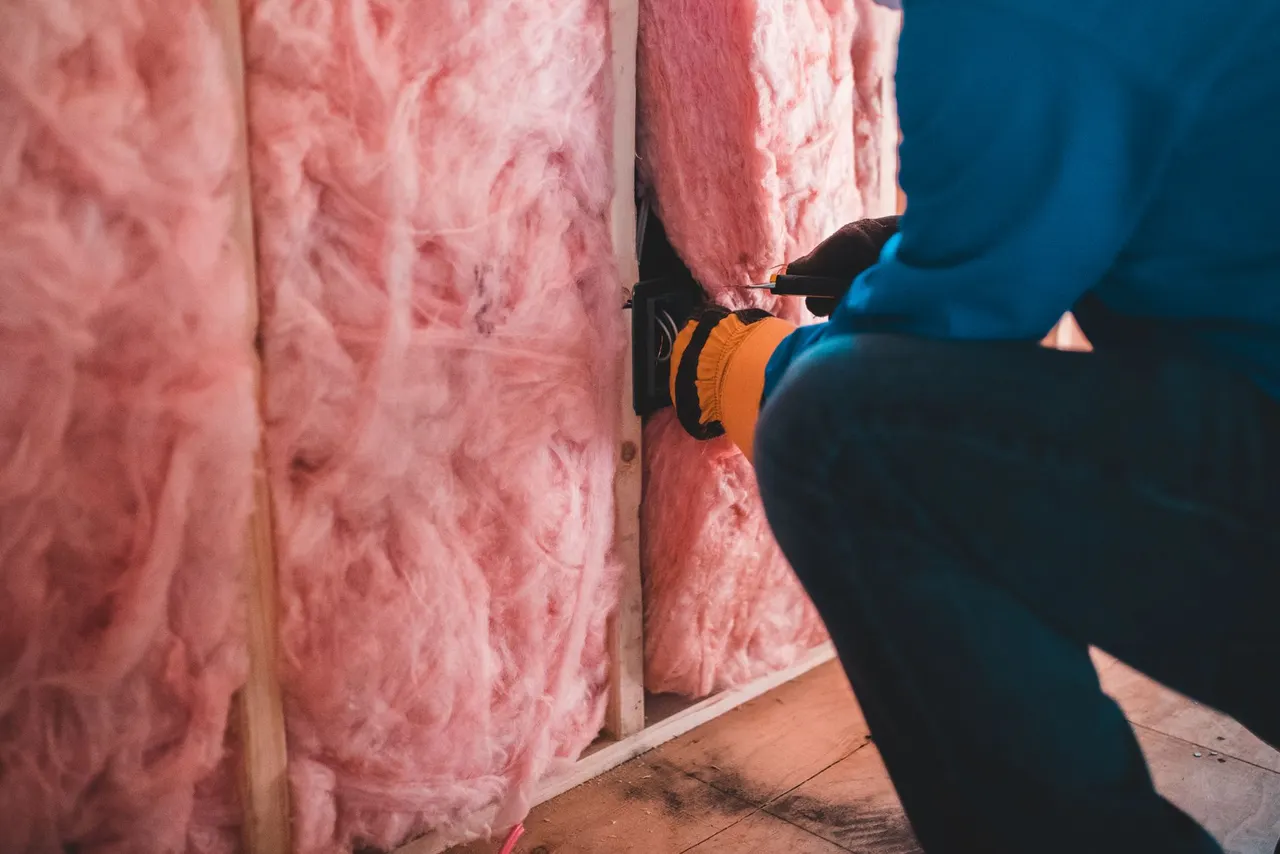
We seal off the attic hatch with poly and zip walls, set a negative air machine, and start HEPA vacuuming the affected sheathing and trusses. Moldy fiberglass insulation gets bagged and hauled out. Most single-family attics take four to eight hours of active removal.
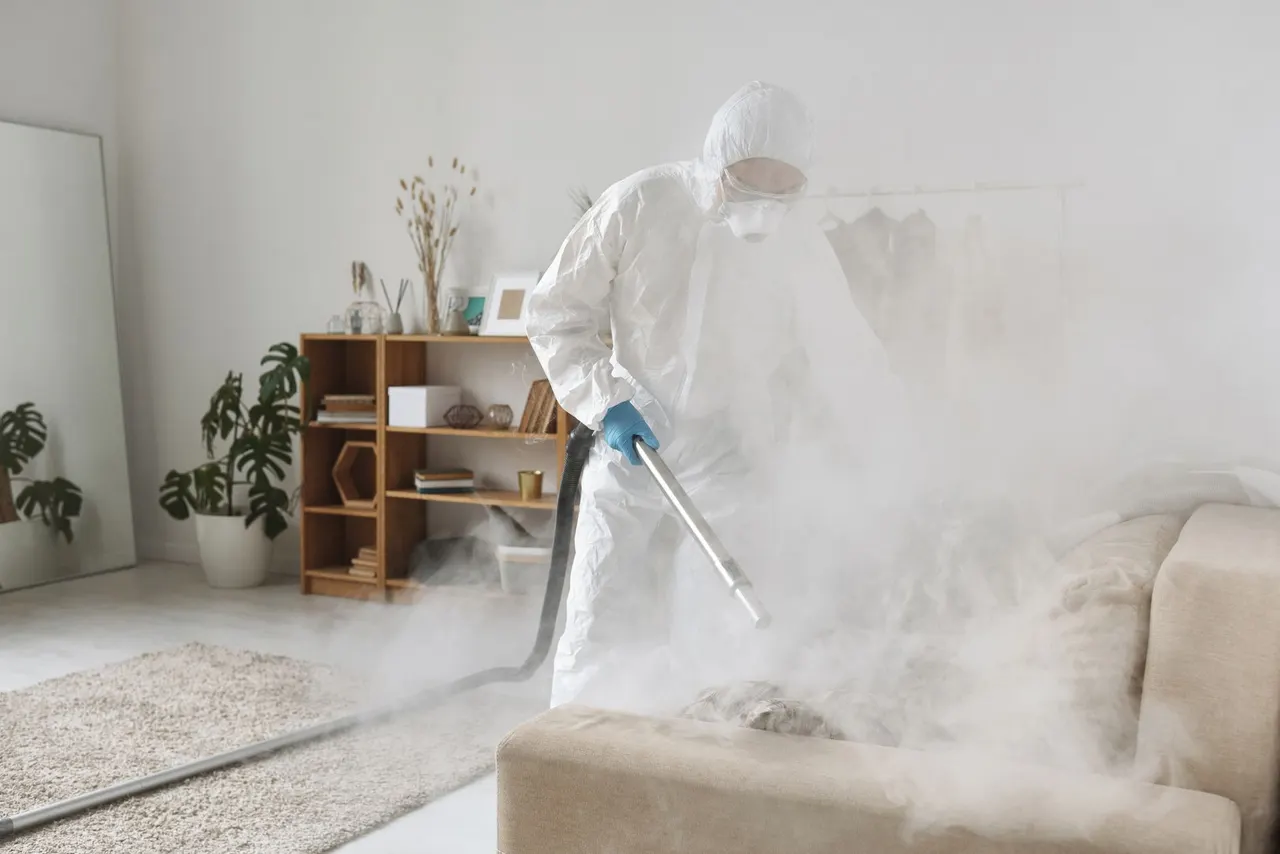
After vacuuming, we fog the space with Concrobium or Benefect, then wipe down trusses and sheathing with an antimicrobial spray. Air scrubbers run for 24 to 48 hours to pull remaining spores out of the air. We come back and meter the wood before we call it done.

We walk the attic with you or send photos if you cannot climb up. You get the moisture readings, the product labels, and the before-and-after photos in a single PDF. If a roofer or HVAC tech needs to fix the source, we tell you who to call.
Move across a circle, or focus it and press Enter, for an illustrative thermal view of the photograph.

Reads wood moisture content on sheathing and trusses. We use it before, during, and after remediation to confirm the deck is actually dry before we close the job.
Finds hidden moisture behind insulation and inside wall cavities. It is how we trace roof leaks and failed ventilation without tearing the attic apart.
A flexible camera that goes into wall cavities, chimney chases, and duct runs. We use it to confirm mold growth in places you cannot see from the attic floor.

Pulls air out of the contained work area so spores do not drift into your living space. It runs the entire time we are removing moldy material.
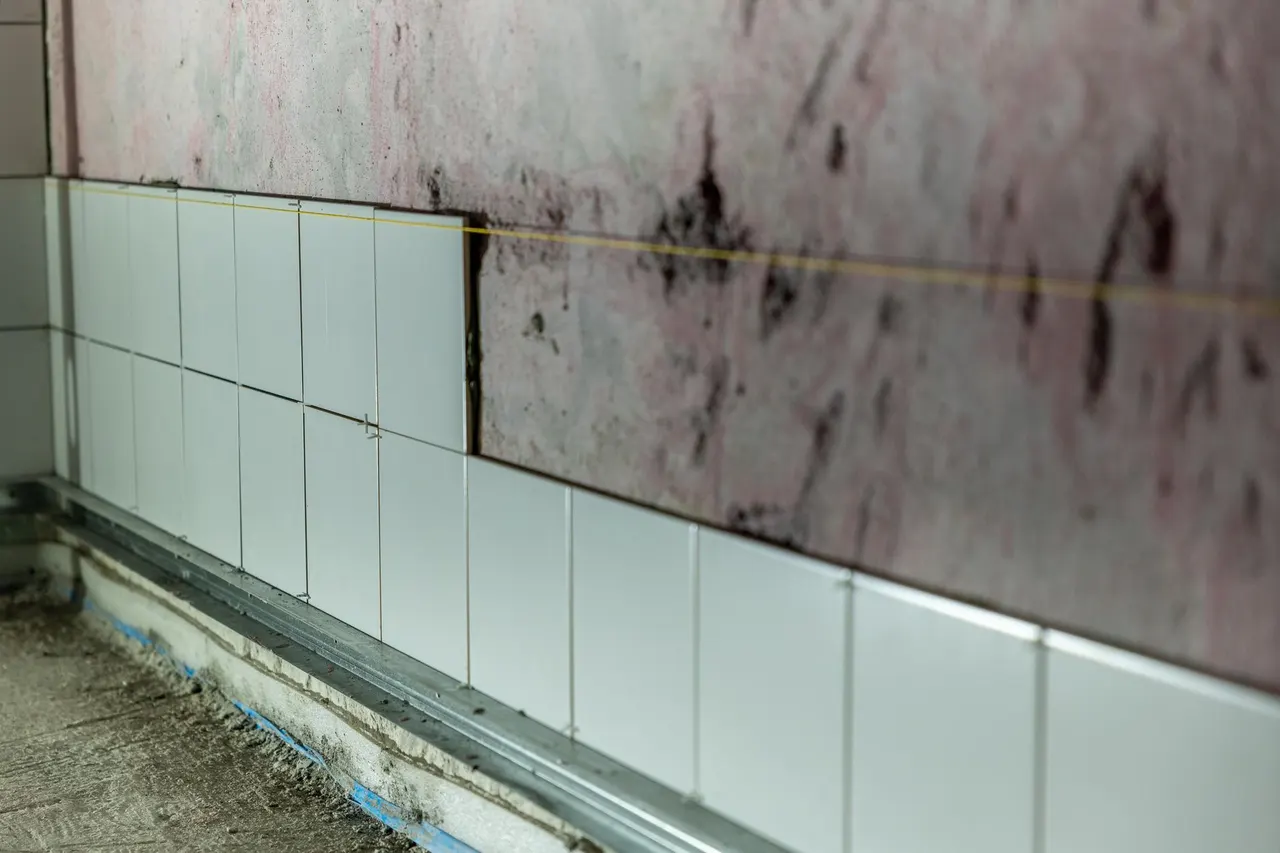
Captures mold spores and fine debris off sheathing, trusses, and duct surfaces. Standard shop vacs just blow the spores back into the air.
Thermal views are illustrative, generated from the photographs.
Runs for 24 to 48 hours after removal to pull remaining spores out of the attic air. We leave it on site and pick it up when the job clears.
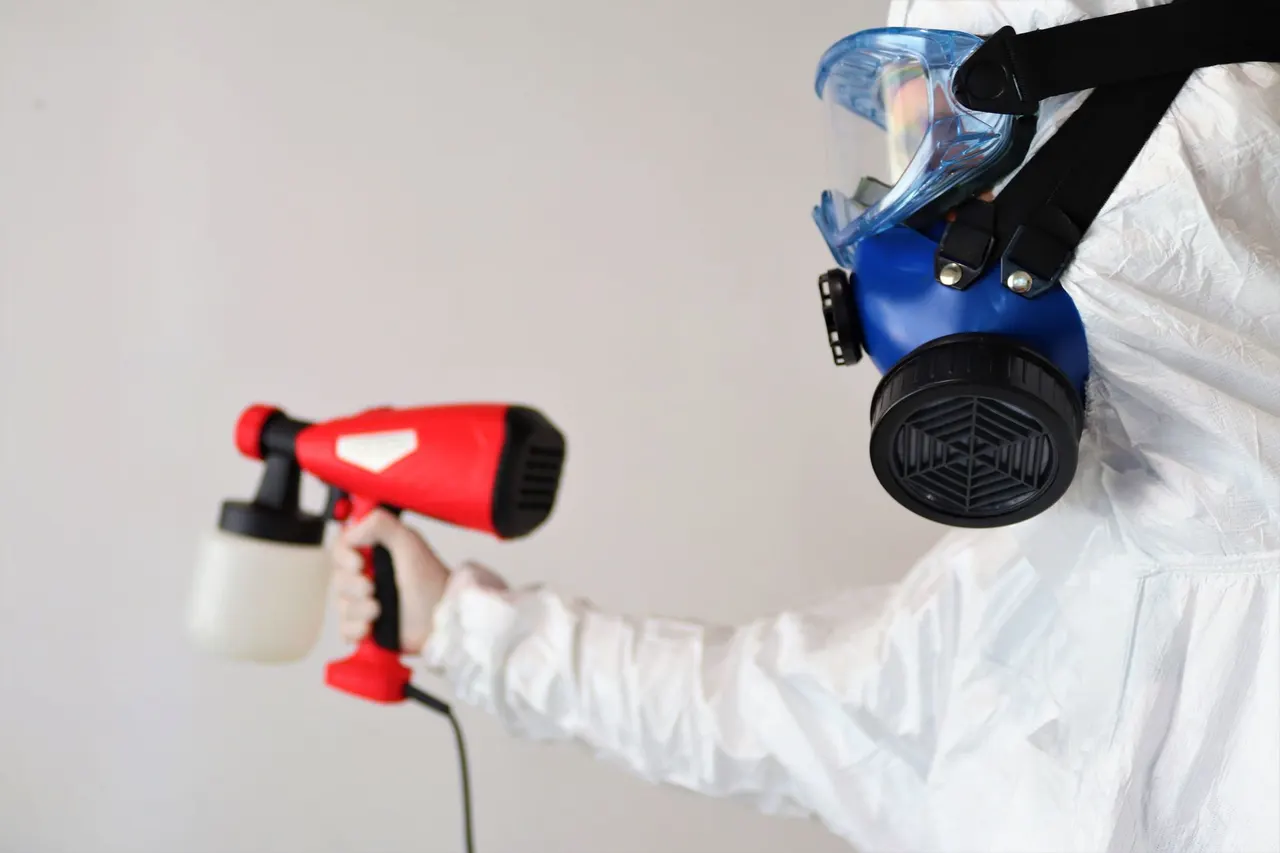
Applies Concrobium or Benefect as a fine mist that reaches into wood grain and tight corners where a spray bottle cannot.
We follow the IICRC S520 framework for containment, removal, and clearance. That means defined work zones, HEPA filtration, and documented moisture readings before we sign off.
Poly sheeting and zip walls seal the work area, and a negative air machine keeps the pressure lower inside containment than outside. Spores stay in the work zone instead of drifting into your bedrooms.
After HEPA vacuuming, we fog the space and wipe down trusses and sheathing. Both products are EPA-registered for porous building materials and leave a residual that slows regrowth.
We meter every treated bay and confirm sheathing is under 15% moisture content. If the wood is still wet, we keep drying. No exceptions, no shortcuts.
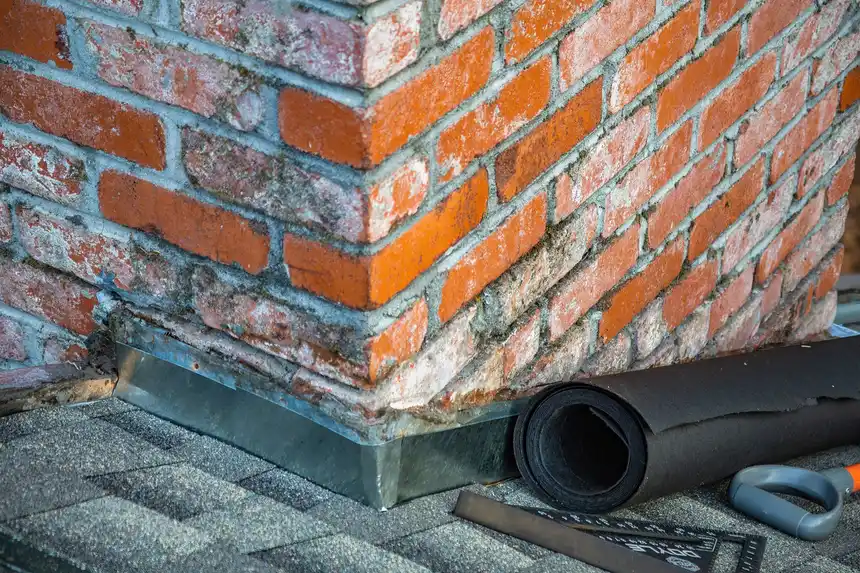
You had a roof leak during last week's hail storm and now the upstairs hallway smells musty.
We come out the same day, contain the affected bays, HEPA vacuum the sheathing, remove moldy insulation, and treat the wood with antimicrobial spray. We document the leak for your insurance claim and flag the roof repair.
Outcome: The smell is gone within 48 hours, the mold is removed, and you have a written report for your adjuster.
Your home inspector flagged black mold on the roof deck and you close in ten days.
We scope the attic the next morning, remediate within 48 hours, and deliver a clearance report with photos and moisture readings formatted for lenders and appraisers.
Outcome: You close on time with documentation the buyer's lender accepts without a second inspection.

You are a property manager with a tenant complaining about a musty smell in a Columbine rental.
We coordinate directly with the tenant, contain and remediate the attic, replace moldy insulation, and send you a written report with photos for your owner file.
Outcome: The tenant stays put, you do not lose a month of rent, and your owner has the paperwork they need.
Someone in the house has asthma and the attic has visible mold growth on the sheathing.
We work under negative air pressure, remove affected materials, HEPA vacuum every surface, and run air scrubbers for 48 hours. A final air quality test confirms spore counts are back to normal.
Outcome: The trigger is removed from the air, and you have test results showing the attic is clean.

A failed bathroom vent fan has been dumping humid air into the attic for months.
We remove the moldy insulation, treat the sheathing and trusses, and route the fan duct to the exterior. We document the fan failure so you know exactly what caused the problem.
Outcome: The moisture source is fixed, the mold is gone, and the fan is venting where it should have been all along.
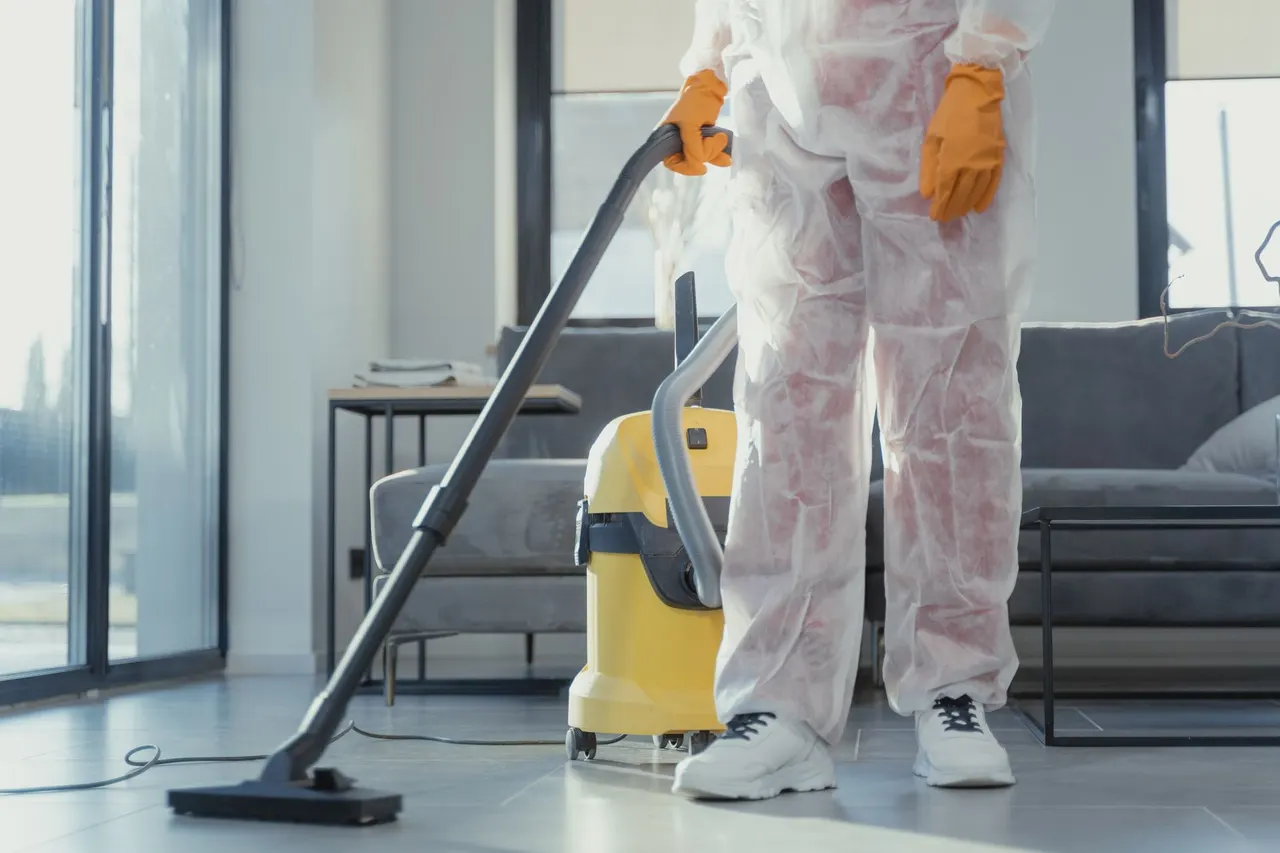
Littleton attics take a beating. Spring snowmelt sits on the roof for days, June hail punches through vent boots and flashing, and monsoon humidity in July and August pushes moisture into every gap. Then winter swings between 60-degree afternoons and single-digit nights, which drives condensation on the underside of the roof deck.
Older homes in Historic Downtown Littleton and Columbine often have undersized soffit vents and no ridge vent at all, so warm damp air just sits there. Newer builds in Sterling Ranch and Ken Caryl Ranch Plains are tighter, which means moisture from showers and laundry has nowhere to go but up.
We also work directly with local roofers and HVAC techs when the water source needs a repair we do not handle, so you are not stuck making three phone calls.
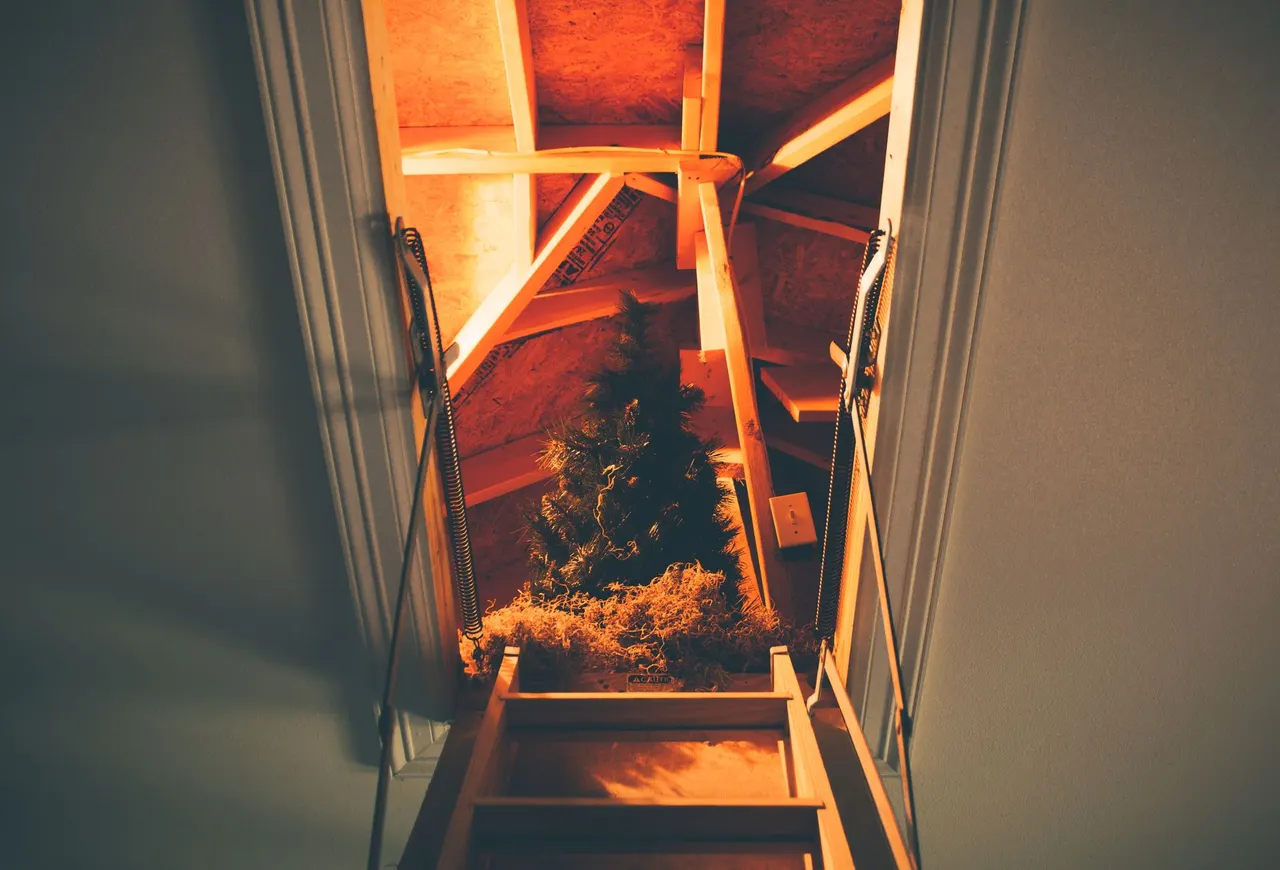
Before: A June hail storm cracked a vent boot on a 1990s Ken Caryl home. By August, black mold covered three bays of roof sheathing, the fiberglass insulation was soaked, and the upstairs hallway smelled like a wet basement.
After: We contained the attic, HEPA vacuumed the sheathing, removed and replaced 180 square feet of moldy insulation, and treated the wood with antimicrobial spray. Moisture readings dropped from 28% to 11% over 48 hours of air scrubbing.
Fix the roof boot, keep gutters clear, and check the attic with a flashlight every spring after the last snow melts.
Before: A 1920s home had no ridge vent and undersized soffit vents. Condensation built up on the cold sheathing every winter, and by the time the owner called, mold covered most of the north-facing roof deck and the trusses had visible growth.
After: We removed the mold, treated every truss and sheathing bay, and installed a ridge vent and additional soffit vents sized to the attic volume. Post-job air quality testing showed spore counts back to outdoor baseline levels.
Check that soffit vents are not blocked by insulation. We leave a note on the hatch so future contractors do not cover them up.
Before: A failed bathroom vent fan had been dumping humid air into the attic for at least a year. The insulation was moldy, the sheathing was stained black, and the tenant had been complaining about a musty smell for months.
After: We removed and replaced the moldy insulation, treated the sheathing and trusses, and routed the fan duct to the exterior. The tenant stayed in the unit, and the property manager had a written report for the owner within a week.
Test the bathroom fan every six months by holding a tissue to the grille. If it does not hold, the fan or the duct is failing and needs a look.
Most Littleton attic mold calls start with one of a handful of problems. Fix the problem and the mold stops coming back. Here is what we see most and how we handle it.
A dry attic, removed mold, and paperwork you can hand to anyone.
We build a containment barrier and start negative air pressure before we touch a single moldy board. That keeps spores from drifting into your living space while we work. Most Littleton jobs are contained within the first 90 minutes on site.
A moisture meter and hygrometer reading on every bay tells us exactly where the water is hiding. We do not pull insulation and call it dry. We verify wood sheathing is under 15% moisture content before we sign off on the job.
Every photo, moisture reading, and product label goes into a written report. Adjusters want proof, and we hand it to you the same week. That is the difference between a paid claim and a denied one after a hail-driven roof leak.
Musty odors come from mold colonies off-gassing into your HVAC system. Once we remove the growth, run an air scrubber, and treat the wood, the smell goes with it. Most customers notice the difference within 48 hours of the final walkthrough.
What a written scope covers and what shapes it. Prices are set by the business after the first look.
Included
Depends on
Clear records you can keep and share.
Written outline of work before we start
Before and after images of every bay
Readings taken before and after dry-down
Summary of removal, treatment, and final readings
Not every dark stain on the roof deck is the same problem, and the fix depends on which one you have.
Light growth on sheathing after a short-term leak
Black staining into wood grain after weeks of moisture
Soft or crumbling wood after long-term saturation
A list like this tells people straight away whether you cover their street. Not listed? Call and ask: it only takes a minute.
Based in Littleton and covering the places around it. Pick one for local details.
We give you a written number before we start.
We schedule same-day for active leaks and visible mold growth, and we are on site within two to four hours for most Littleton addresses. If you are in Ken Caryl, Columbine, or Roxborough Park, plan on a slightly longer drive but still same-day. Call (720) 953-3834 and we will give you a real arrival window, not a vague promise.
Yes. After-hours calls get a phone triage immediately, and we roll a crew the same night if there is an active water source feeding the mold. If the leak is stopped and the attic is dry, we often schedule first thing the next morning instead.
An active water source feeding mold is the clearest emergency: a roof leak after a hail storm, a burst supply line, or a failed ventilation fan dumping humid air into the attic. Visible black mold spreading across sheathing, a musty odor inside the living space, or a real estate closing deadline within a week also qualify. If you are not sure, call and describe what you see.
Other services from the same team.
Mold spreads while you wait. One call, one written scope, one crew that finishes the job.
Call (720) 953-3834 or email us and we will schedule an attic inspection, usually within a day or two. We work Monday through Friday, 8am to 6pm, and we answer the phone ourselves. If you have a leak or storm damage, tell us and we will prioritize the call.